Custom Flyers for Charity Fundraisers
Posted by By Jenny on 18th Nov 2026


Posted by By Jenny on 18th Nov 2026
You're two weeks from a community fundraiser, the budget spreadsheet is already stretched thin, and the question lands on your desk: how do we get people through the door without spending a fortune on advertising? For thousands of UK charities and community organisations, printed custom flyers remain one of the most affordable answers to that problem.
Choosing the right format, paper weight, and distribution method can mean the difference between ignored handouts and a hall full of supporters. Wee Print helps UK charities produce full-colour flyers with artwork support and free UK delivery. This guide walks you through the key decisions that keep costs low and attendance high.
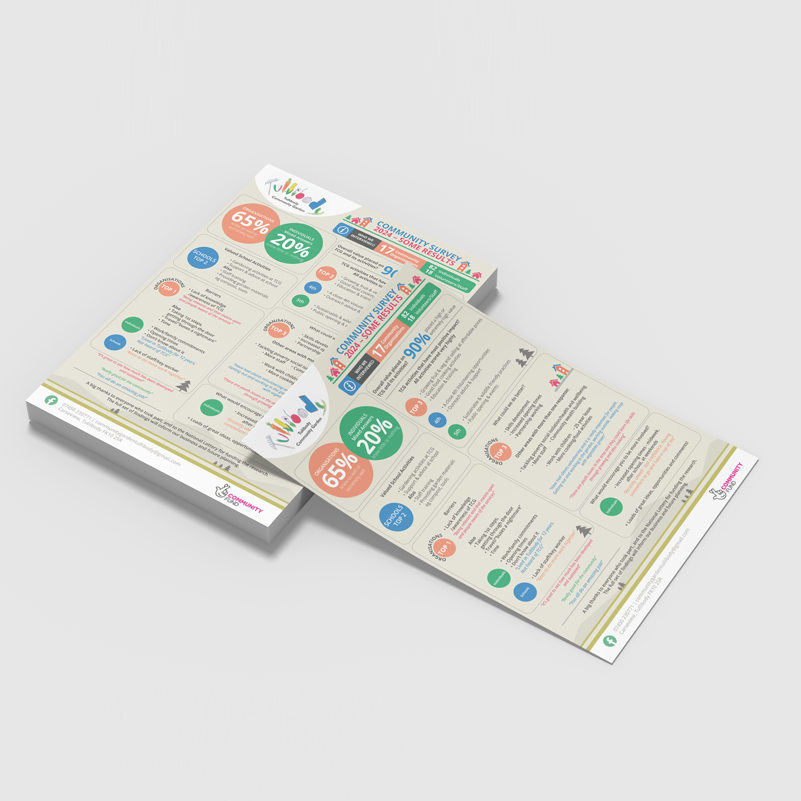
Size affects both print cost and how your flyer is used. A6 (105 x 148 mm) flyers work well for hand-to-hand distribution at market stalls, shop counters, and community noticeboards. They are compact enough for someone to slip into a coat pocket and keep.
A5 (148 x 210 mm) gives you more room for storytelling, a donor photo, and clear event details. If your fundraiser needs a map, running order, or QR code alongside your appeal, A5 is usually the practical choice.
Paper weight, measured in gsm (grams per square metre), determines how your flyer feels in the hand. A 130gsm silk stock is a common starting point for charity flyers: light enough to keep costs down, heavy enough to feel professional rather than flimsy.
For flyers that will be handled repeatedly, such as event programmes handed out at the door, 170gsm provides a noticeable step up in sturdiness. Anything above 300gsm moves into card territory, better suited to business cards or gift vouchers than campaign handouts.
Charities often need to raise awareness, recruit volunteers, and collect donations all at once. Trying to do all three on a single A5 sheet dilutes the message. A flyer with one clear ask, for example "Scan to donate" or "Join us on 15 November," gives readers a single next step.
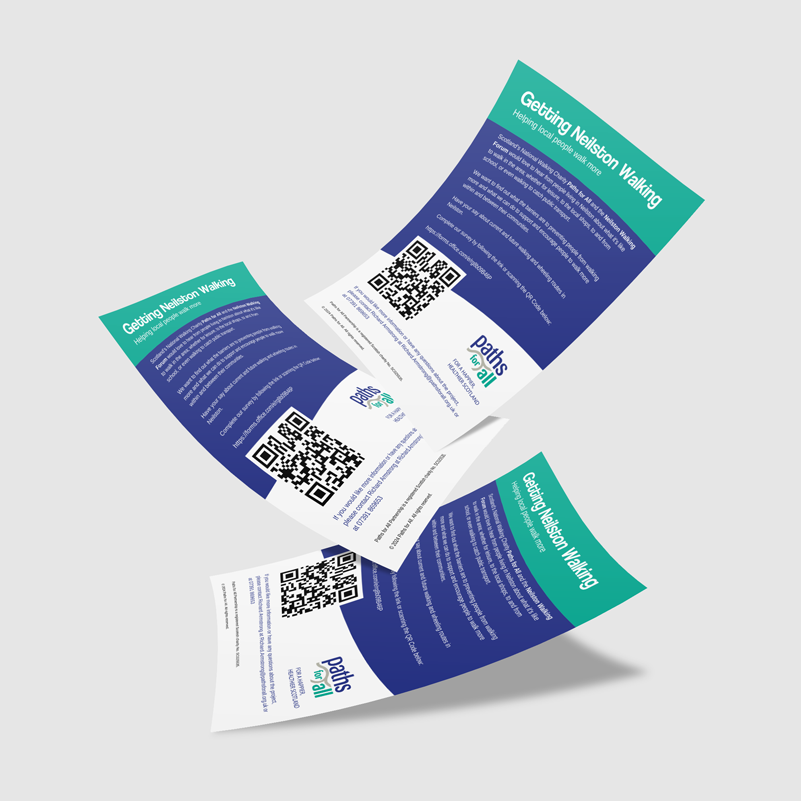
Place the call to action in the top third of the design, where eyes naturally land first. A QR code linking to your donation page removes friction, especially for people who pick up the flyer on the move.
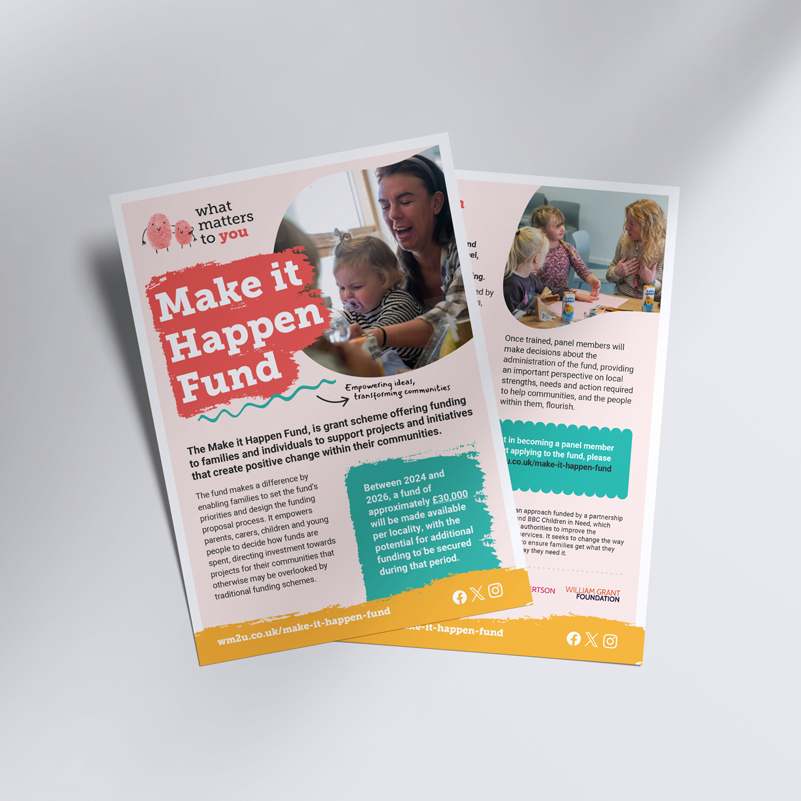
Double-sided printing typically adds only a small premium over single-sided, and it doubles the space available for your message. Use the front for your headline, event date, and call to action. Reserve the back for a short beneficiary story, a photo, and your charity's registration number.
Real stories connect donors to the cause. A two-sentence account of how past funds helped a local family or community group can be more persuasive than a paragraph of statistics. Keep the text short, the image large, and the layout clean.
If your charity focuses on environmental or social causes, recycled paper aligns your print choices with your mission. Recycled and uncoated stocks have a natural, tactile feel that reinforces authenticity and clearly signals environmental responsibility to your supporters.
Keep in mind that colours can render slightly differently on uncoated paper: vibrant reds and blues may appear softer. Discuss finishes with your print supplier so the final product matches your expectations. Wee Print offers recycled stock options across its charity printing range.
A QR code gives smartphone users a one-tap route to your donation page, event registration, or volunteer sign-up form. Position it at a minimum of 2 x 2 cm so every phone camera can read it reliably, and place it away from the fold line on any leaflet.
Pair the QR code with a short, readable URL underneath (for example, yourcharity.org/gala) so people without a smartphone can still reach you. Test both on multiple devices before approving the artwork for print.
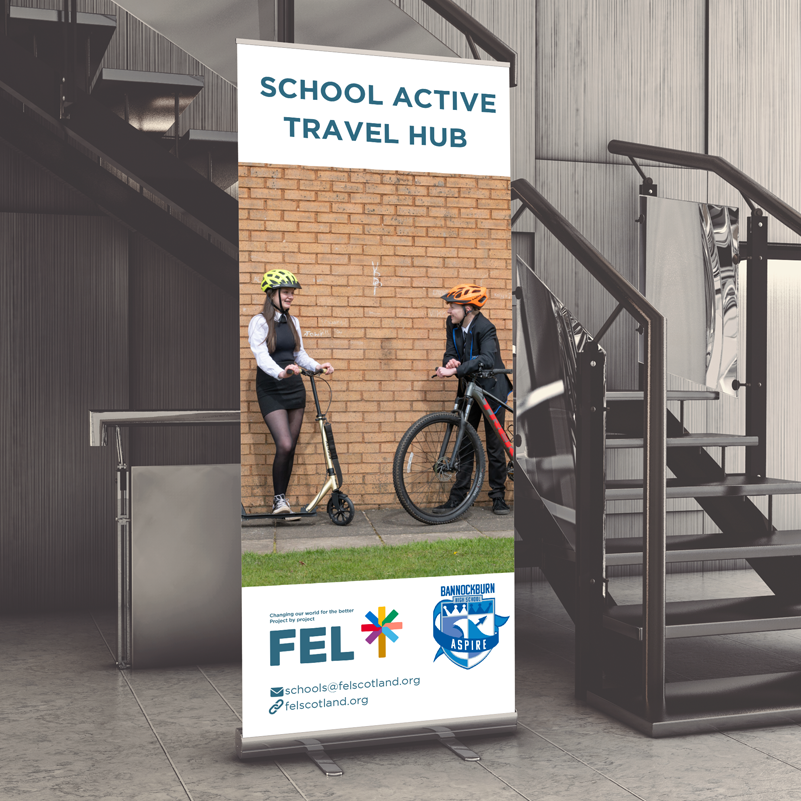
A single flyer design works harder when it matches the rest of your event signage. Use the same colour palette, logo placement, and headline across your flyers, posters, and PVC banners so that each piece reinforces recognition in your local area.
Ordering coordinated print from one supplier simplifies artwork preparation and delivery. Wee Print's design service can help you create a consistent visual identity across multiple formats, from A6 handouts to outdoor banners, using a single set of brand assets.
Overprinting wastes budget; underprinting leaves venues bare. According to JicMail data reported by Print Business in 2025, 77% of printed material landing on a doormat is picked up and read. Map out where your flyers will go: noticeboards, shop counters, libraries, GP surgeries, and door drops. Estimate a realistic number for each location before ordering.
Wee Print offers quantity-based pricing where the per-unit cost drops as volume increases. A quick quote between 500 and 1,000 copies often shows that doubling your order costs far less than double.
Artwork issues are the most common cause of print delays. Set your files to CMYK colour mode, include a 3 mm bleed on all edges, and keep important text at least 4 mm inside the trim line (the safe area). Export as a high-resolution PDF at 300 dpi for the sharpest result.
If you're not confident with file setup, artwork support from Wee Print's in-house team includes file checks and corrections before production. This step catches resolution problems, missing fonts, and colour-mode errors before they reach the press.
Flyers need to be in circulation well before your fundraiser, not arriving the day before. Allow at least two to three weeks for design approval, printing, and delivery. If you plan a door-drop campaign, add extra days for distribution.
Wee Print delivers across the UK with standard turnaround times, and contacting the team ahead of a fixed deadline helps ensure your materials arrive when you need them. Building print timelines into your event checklist keeps your entire campaign on track.
Every pound a charity spends on print needs to earn its place. By selecting the right size, stock, and finish, you turn a simple flyer into a practical fundraising tool that fills halls and keeps your cause visible.
Wee Print supports UK charities with full-colour flyer printing, branded stationery, and coordinated event materials, all with free delivery to UK mainland addresses. Get in touch with the team to plan your next fundraiser promotion print run.
A6 (105 x 148 mm) is typically the most affordable option per unit. It gives you space for a headline, event details, a QR code, and your logo. For events needing more storytelling room, A5 balances cost and content well.
A 130gsm silk stock suits most fundraiser handout flyers. It is light enough to keep printing costs manageable while feeling sturdy in the hand. For items that will be handled multiple times, such as event guides, 170gsm provides added durability.
Yes. Wee Print offers an in-house design service where the team prepares press-ready artwork from your brief and brand assets. The service includes changes so your design matches expectations before going to print.
Ordering two to three weeks before the event is a reliable guideline. This allows time for design approval, production, and delivery. If your campaign includes door-to-door distribution, add a few extra days to the schedule.
Recycled stocks are available across several flyer and folded leaflet formats. These stocks suit charities whose mission aligns with environmental responsibility, and they carry a natural, uncoated finish that many supporters appreciate.
Double-sided printing is usually the better choice. It adds only a modest amount to the print cost while giving you space for both a front-facing headline and a back-page story or donor information. Single-sided works for simple announcements with minimal text.