How to Plan a Leaflet Campaign in 7 Simple Steps (2026)
Posted by By Jenny on 4th Nov 2026


Posted by By Jenny on 4th Nov 2026
Plan a leaflet campaign that targets local customers. Follow seven practical steps covering offers, print choices, artwork, distribution and tracking.
Your diary has gaps next week, but the households a few streets away do not know what your business offers. A leaflet gives you a way to introduce your service locally, with a clear message people can keep and return to.
Planning matters before you order a print run. Wee Print provides leaflet printing and design support to help you put that plan on paper. These seven steps take you from choosing your audience to measuring enquiries, so you can make informed decisions about your next campaign.

Build your leaflet campaign around a specific customer, a single action and a distribution plan you can measure. Work through these decisions before finalising your artwork or quantity.
Choose a customer group whose needs match the service you want to promote. A local gardener might focus on households within their working area, while a commercial cleaner could target nearby offices. These are planning examples, not promises about who will respond.
Start with your existing customers. Which jobs suit your business, and where could you reasonably serve more people like them? Write a short audience description and mark the streets or business locations you intend to cover.
Keep that description beside your brief. It will help you choose useful images, relevant benefits and a sensible distribution route.
Give your leaflet one main job: generate quote requests, encourage bookings or bring customers to your premises. A single goal helps you decide what deserves space on the page.
For example, a trades business could invite readers to request an estimate for a particular service. A café could encourage visits for a specific menu. Decide how you will record the response before printing.
Choose a next step that suits your customers. That might be a phone call, an enquiry form or a booking page. If you include a QR code, also provide a readable web address or telephone number.

Give readers a clear reason to contact you, rather than a long list of everything you do. The offer might be a defined service package, an introductory appointment or a helpful consultation that your business genuinely provides.
You do not need to discount your work automatically. Explain what the customer receives, who it suits and how to enquire. Check that any offer is commercially worthwhile before putting it into print.
If your promotion has a genuine closing date or eligibility conditions, make them clear. Avoid invented urgency. A straightforward offer with understandable terms gives readers a firmer basis for deciding.
Choose a leaflet format that gives your message enough room without encouraging unnecessary text. A5 measures 148 × 210mm and is a useful starting point for a short introduction, an offer and contact details.
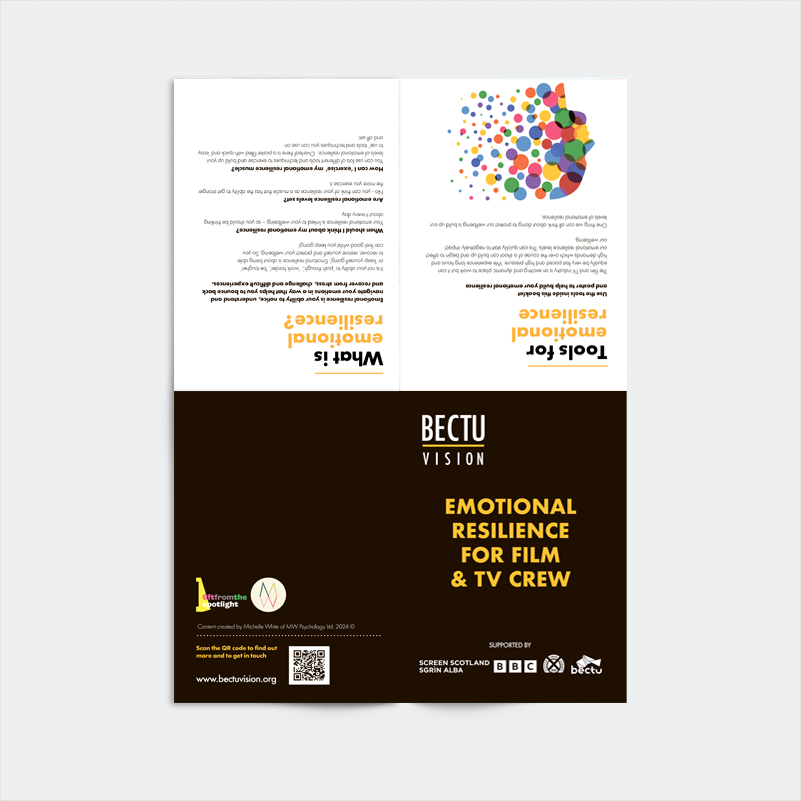
Flat flyers suit messages that readers can scan on one sheet. Consider folded leaflets when you need separate panels for a service explanation, photographs or a location map.
Paper weight, measured in gsm, affects how the sheet handles. Ask about the stocks available for your chosen product, and compare samples if possible. Confirm the finished size, fold and quantity before ordering.
Lead with the benefit your customer is looking for, then explain your service and the next step. A local cleaning business might begin with the type of cleaning offered and the area covered, rather than a general company introduction.
Use a clear hierarchy: headline, supporting detail, offer and contact information. Keep body text readable at the finished size. Use your own suitable photographs, and include testimonials only when they are genuine and you have permission to use them.
Wee Print's in-house design service can help turn your brief into artwork. Supply your logo, approved wording, images and intended customer action so the design has a clear purpose.
Check your artwork against the selected product's requirements before approving it. Use the appropriate artwork template to position folds, trim edges and important content correctly. Bleed extends background artwork beyond the trim edge; a safe area keeps text away from the cut.
Print a proof at actual size. Check telephone numbers, spelling, offer terms and dates. Scan the QR code from the printed proof and complete the enquiry journey yourself.
Plan distribution separately from production. Confirm routes, quantities, permissions and delivery arrangements with whoever is distributing. Ask Wee Print to confirm timing for your specific order, especially if artwork preparation is still needed.
Track enquiries from your leaflet campaign using a dedicated response code, a campaign landing page or a consistent question when people contact you. Record the distribution area and date alongside the quantity delivered.
A QR code can point to a campaign-tagged web address. Google's campaign URL guidance explains how tracking parameters identify campaign traffic in Analytics. Website visits alone do not prove sales, so record resulting enquiries and orders too.
Review the results after a suitable response period for your service. Test one change in the next round, such as the headline or distribution area, so you have a clearer basis for comparison.
Budget for design, print, distribution and the time needed to handle responses. A low print price alone does not tell you the full cost of reaching a potential customer.
Compare quotes using the same quantity, size, stock, sides and fold. Check delivery charges and tax treatment rather than assuming they are identical. Compare the options in Wee Print's leaflet range against the job you need the print to do.
Choose a test quantity that matches your distribution plan and what you can afford to learn. A larger run may reduce unit cost, but unused leaflets still consume budget. Treat your own distribution and follow-up time as real costs.
Judge profitability by the contribution from attributable sales compared with your full campaign costs. Enquiries are useful, but an enquiry that never becomes a customer does not repay the print bill.
Calculate cost per enquiry by dividing campaign spend by attributable enquiries. Calculate cost per new customer using confirmed new customers instead. For example, an illustrative £300 campaign producing six new customers costs £50 per acquired customer; those figures are an example, not a benchmark or price quote.
Compare that acquisition cost with what remains from the sale after direct fulfilment costs. Include repeat purchases only when your own records support them. There is no single response rate that guarantees a worthwhile result for every business.
Wee Print helps you move from a campaign brief to printed materials with design support and a range of flyer and leaflet formats. You can supply artwork or discuss help preparing a layout around your business, message and intended audience.
Bring a short brief: who you want to reach, what you offer, the response you want, your planned distribution and your required date. Include the finished quantity and any existing brand files. These details give the team a practical starting point for discussing your print specification.
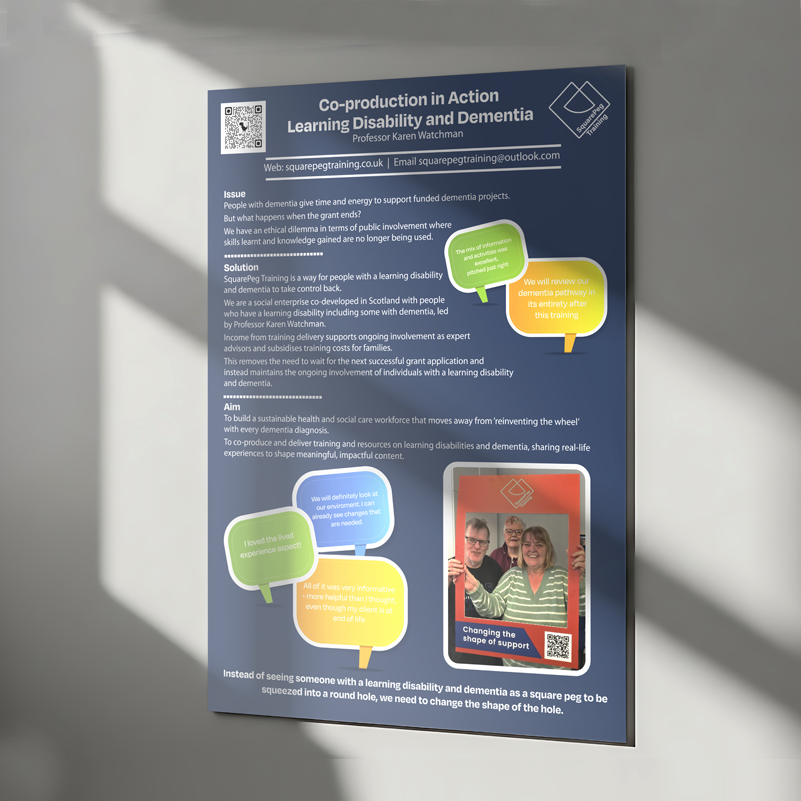
If the same offer needs to appear at your premises, coordinated posters can carry the campaign message there too. Keep the wording consistent, while adapting the layout to each format rather than stretching one design to fit everything.
Ask the team to confirm the specification and schedule before committing to a distribution date.
Order enough for a defined test area and any planned additional uses. Base the number on your distribution count, not a general rule. Ask Wee Print which quantities suit your chosen format before placing the order.
Yes, you can supply your own artwork to Wee Print. Check the requirements for your selected leaflet, including size, bleed and file format. Confirm whether any corrections or design work are needed before approving production.
Send your logo, approved text, suitable images, contact details and a short campaign brief. Wee Print's in-house design service can use these to prepare your layout. Include the audience, format and action you want readers to take.
No. Your leaflet can explain a useful service, introduce your business or invite a relevant enquiry. A clear benefit and an easy next step can form the offer without reducing your price.
Book distribution after confirming the print schedule and allowing time for artwork approval and receipt of your order. Ask Wee Print about your specific product and deadline rather than assuming one delivery window applies to every job.
Ready to put your campaign on paper? Contact Jenny with your audience, quantity and required date, and discuss the print and design options for your next local campaign.