

<p>In today's digital age, <strong>The Art of the Handshake: Why Your Business Card Still Matters</strong> is a crucial topic for professionals. While online connections are valuable, nothing beats the personal touch of a handshake and a well-designed business card. At <strong>Wee Print Ltd</strong>, we understand the importance of making a lasting impression. A business card not only provides your contact information but also reflects your brand's identity and professionalism.</p><p>In this blog, we explore how a simple handshake can build trust and rapport, while your business card serves as a tangible reminder of your meeting. Don't underestimate the power of these traditional tools in a modern world. Read on to discover tips on designing impactful business cards that resonate with your audience.</p>
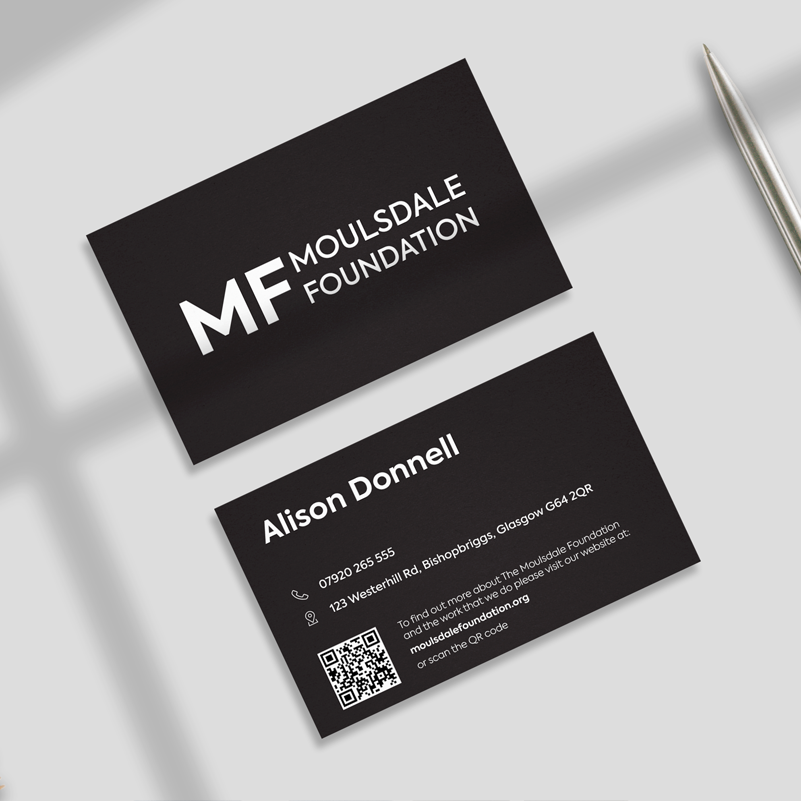
In a world where we spend half our lives on Zoom or LinkedIn, you might think the humble business card has had its day. But as someone who has spent years behind a printing press and a design monitor, I can tell you that the exact opposite is true. When everyone else is a digital notification, a physical, high-quality card makes you a person. It’s a tangible piece of your brand that someone can actually feel, and trust me, the weight of that card in their hand says more about your business than any email signature ever could.
Getting the Design Right
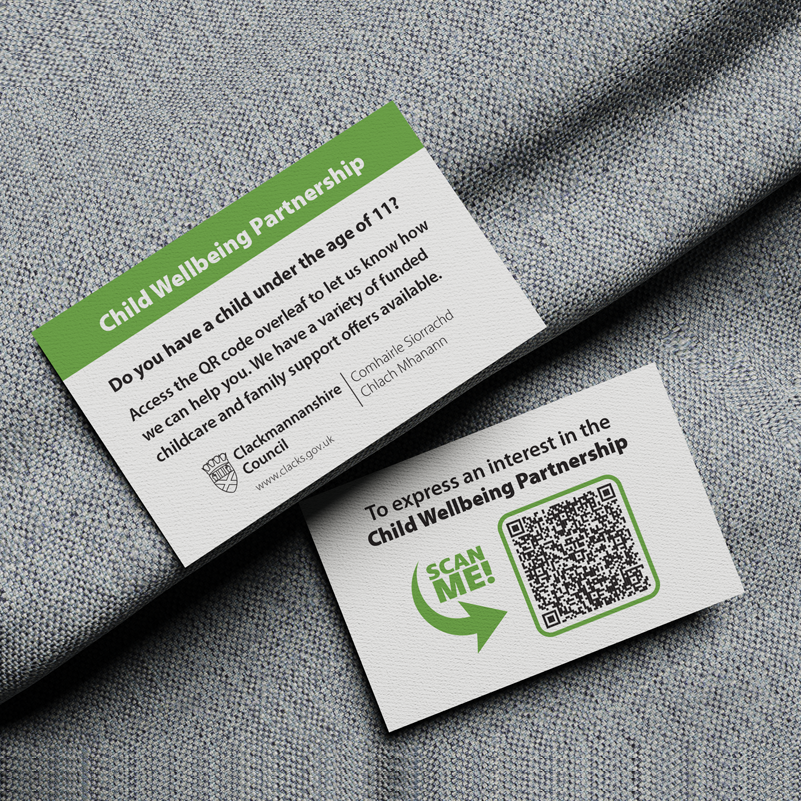
If you’re supplying your own artwork for card printing, I want to help you avoid the "Printer’s Panic"—that moment we see a beautiful design that simply won't work on paper. The most common mistake I see is "Safe Zones." If you put your phone number 1mm from the edge, there’s a good chance our industrial guillotines might give it a haircut. Always leave at least 3mm of space!
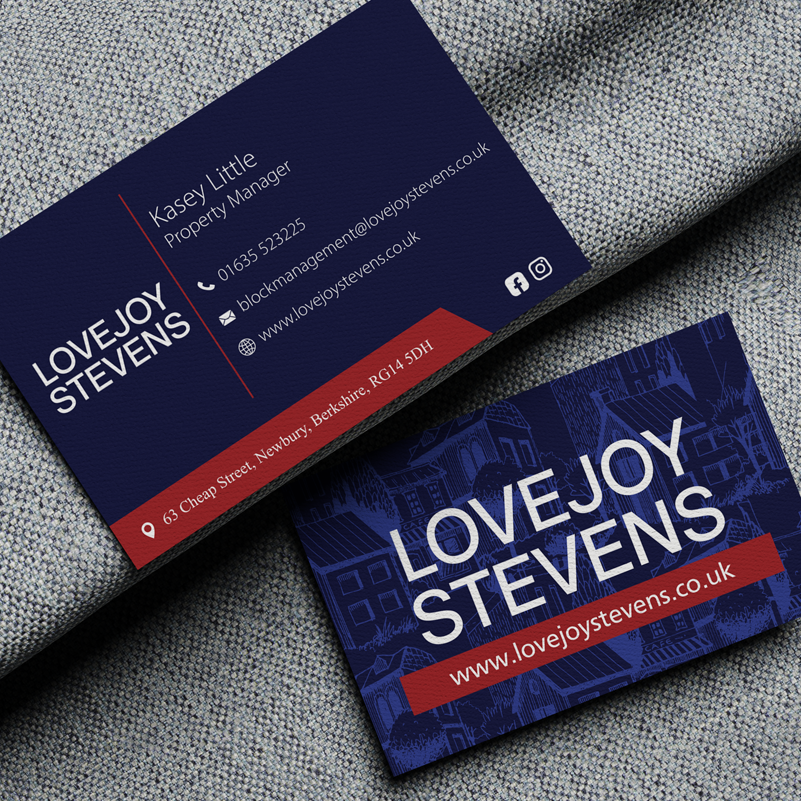
I remember a local start-up that sent over a file for custom card printing. They had a stunning navy blue background but hadn’t included "bleed." When we trimmed the cards, they were left with a tiny, messy white sliver on one side. It broke my heart to see such a great design business card printing project look unprofessional because of a technicality. We ended up rebuilding it for them, which is why we always remind our clients: if you’re unsure, we offer a full design service to get it spot on the first time.
Quality You Can Feel
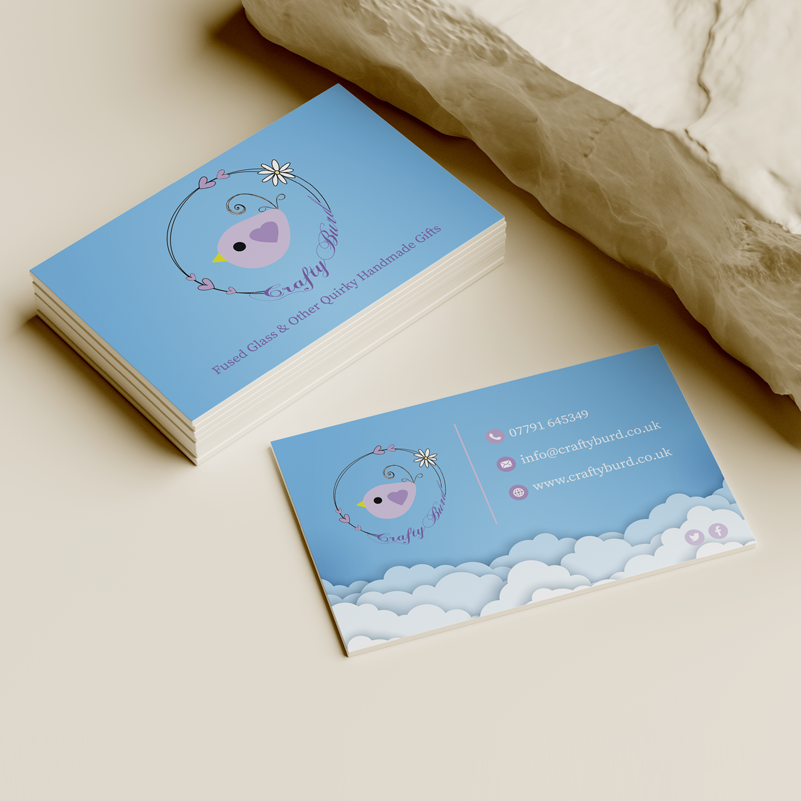
When you’re choosing paper for printing cards, don’t skimp. We measure paper by GSM (grams per square metre). For a proper, professional business card print design, you really want to be looking at 400gsm or higher. Anything less feels like a supermarket flyer. I once handed two different cards to a potential client as a test—one on standard card printing paper and one on a luxury 450gsm silk stock. They didn't even look at the thin one; they spent a good ten seconds just feeling the thickness of the premium one. That’s the psychology of print at work.
Whether you want a modern matte finish or a vibrant gloss for card photo printing, the material is your canvas. Printing on card paper isn’t just about the ink; it’s about the durability. You want a card for printing that won't look like a wet noodle after five minutes in someone’s pocket.
A Cohesive Brand Journey
Your business identity shouldn't stop at your business card. If you have a physical shop or an e-commerce brand, gift card printing is a fantastic way to boost revenue. A well-designed print gift card feels like a tiny present, and it’s a brilliant way to acquire new customers. Similarly, if you're hosting an event, your invitation cards printing and place card print should all speak the same visual language. Consistency is the hallmark of an established business.
We often suggest flyer and business card printing bundles for our clients. Why? Because when you’re at a trade show or a local market, you want your flyer to match your card perfectly. Using the same card invitation printing style across your brand builds instant recognition. Even smaller items like a place card printing for a corporate dinner or a poster card printing for a shop window should reflect your core business card printing design.
The Final Press Check
Before you click "order" on that card for printing, check it three times. Then, have a friend check it. I’ve seen thousands of cards go through the press with "Manager" spelled as "Manger" or a missing digit in a phone number. It sounds simple, but when you’re printing a card, the ink is final! If you’re feeling overwhelmed by the technical side of printing invitation cards or custom greeting card printing, just ask us. We’re here to make sure your business looks as good on paper as it does in your head.
FREQUENTLY ASKED QUESTIONS (FAQ)
Q1: What is the standard business card size in the UK?
The standard UK business card size is 85mm x 55mm. When designing your card, you should set your canvas to this size but add a 3mm "bleed" area on all sides, making your total design file 91mm x 61mm.
Q2: What is "bleed" and why do I need it for card printing?
Bleed is an extra margin of your background colour or image that extends beyond the edge of where the card will be cut. Because industrial cutting machines can have a tiny margin of movement, bleed ensures that you don't end up with a white line at the edge of your finished card.
Q3: Can I supply my own photos for card photo printing?
Yes, you can. However, to ensure a crisp finish when printing to card, your photos must be high resolution (at least 300dpi). Images taken from websites are usually 72dpi and will look blurry or "pixelated" when printed on card paper.
Q4: Is it better to have a matte or gloss finish on my business cards?
This depends on your brand. Matte is popular for a modern, sophisticated, and easy-to-read look. Gloss is excellent for card photo printing as it makes colours "pop" and look more vibrant. If you need to write on the cards (like an appointment card), matte or uncoated paper is the better choice.
Q5: Do you offer flyer and business card printing as a package?
We certainly do. Many businesses find that ordering business card and flyer printing together ensures that the colours match across both products, which is essential for maintaining a professional brand identity.
Q6: What is the best paper for printing cards that need to be folded?
For greeting card custom printing or folded invitations, we recommend a card printing paper that is at least 300gsm but pre-creased. This prevents the fibres of the card from "cracking" along the fold line, keeping your custom greeting card printing looking sharp and professional.
Q7: How can I ensure my brand colours look right when printing on card paper?
Printers use CMYK (Cyan, Magenta, Yellow, Black) ink, while screens use RGB (Red, Green, Blue) light. To get the most accurate results, you should always design your business card printing design in CMYK mode. If you supply an RGB file, the colours may shift and look duller in print.
Posted by By Jenny on 11th Mar 2026