
For years, people have been predicting the end of the printing industry. As a printer and designer who has seen technology move from manual plates to high-speed digital presses, I’ve always found that hilarious. Print isn’t dying; it’s evolving into something much more powerful. We are currently in the middle of a "Phygital" revolution—a beautiful marriage of physical tactile products and digital interactivity.
For businesses, this means your packaging printing is no longer just a vessel for your product; it’s a portal. If you’re still just selling "ink on paper," you’re missing out on a massive opportunity to provide real value to your customers.
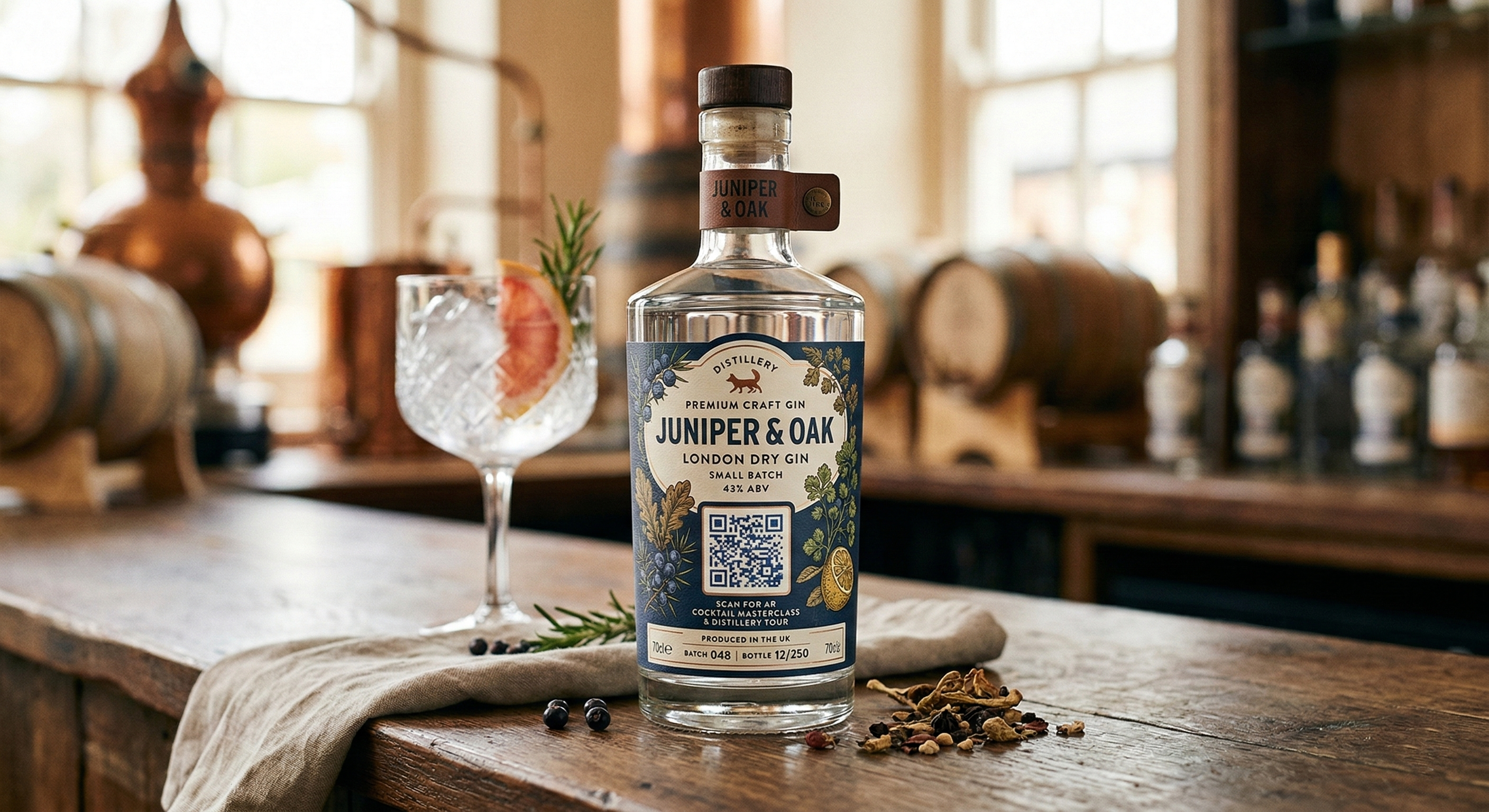
I remember working with a local boutique that sold high-end gin. They were using standard box printing, but their sales were stagnant. We introduced a paper belly band printing solution with a hidden QR code. When scanned, it launched an AR cocktail masterclass video. Suddenly, the packaging wasn’t just a box; it was an expert bartender in the customer’s living room. Their repeat orders doubled by the next quarter.
Smart Packaging: The Digital Product Passport
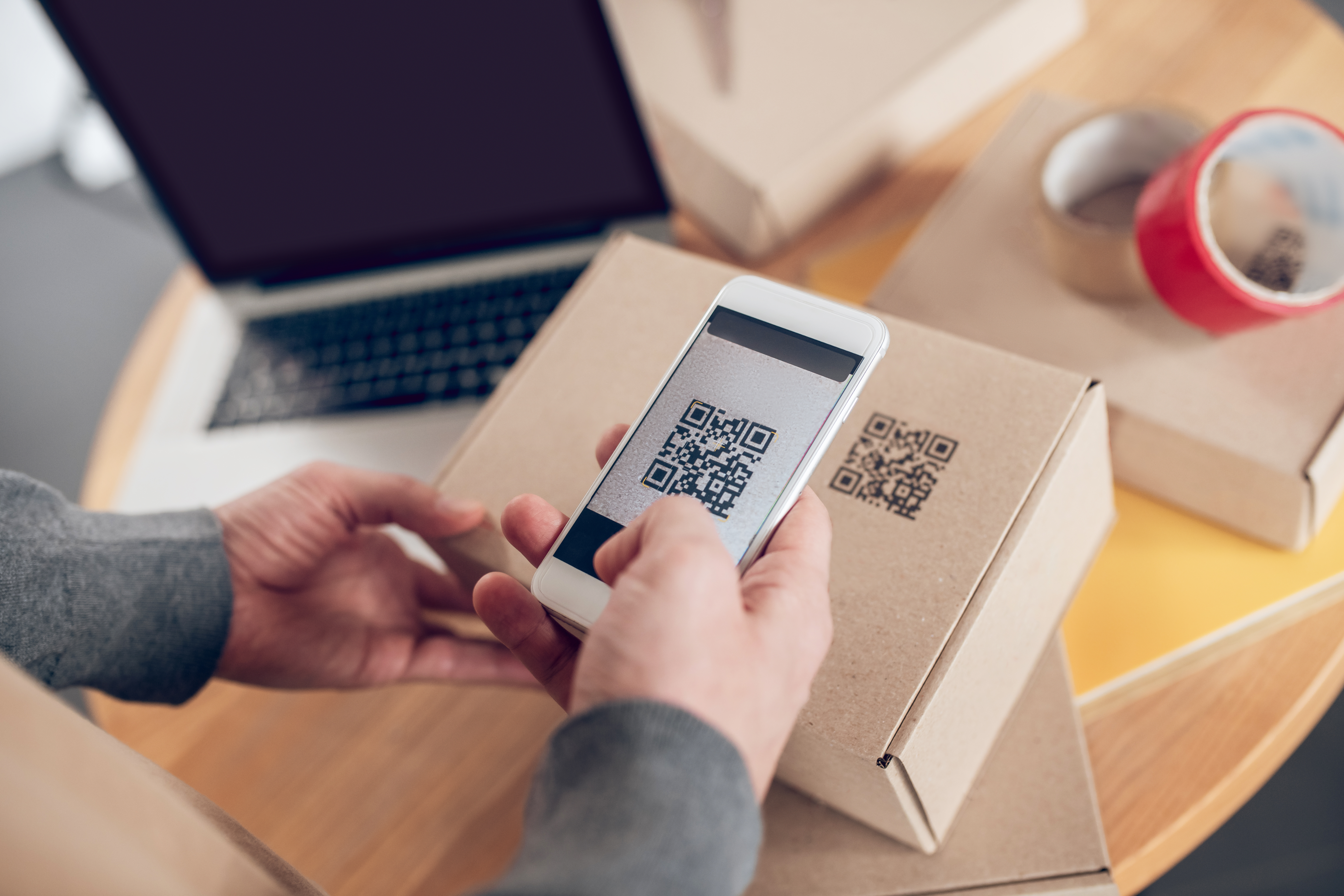
We are moving into an era where consumers want to know everything about what they buy. This is where "Digital Product Passports" (DPPs) come in. By integrating dynamic QR codes or NFC tags into your swing tag printing or box printing, you can give customers instant access to a product’s origin, its sustainability credentials, or even video tutorials.
Imagine a customer picking up a garment in a shop. Instead of just seeing a price on the swing tag printing, they tap their phone and see a video of the fabric being woven or a list of ethical certifications. This builds a level of trust that a static label simply can't achieve. Even custom gift wrap paper printing can include these codes, turning a simple present into an interactive story.
Augmented Reality: When Print Comes Alive
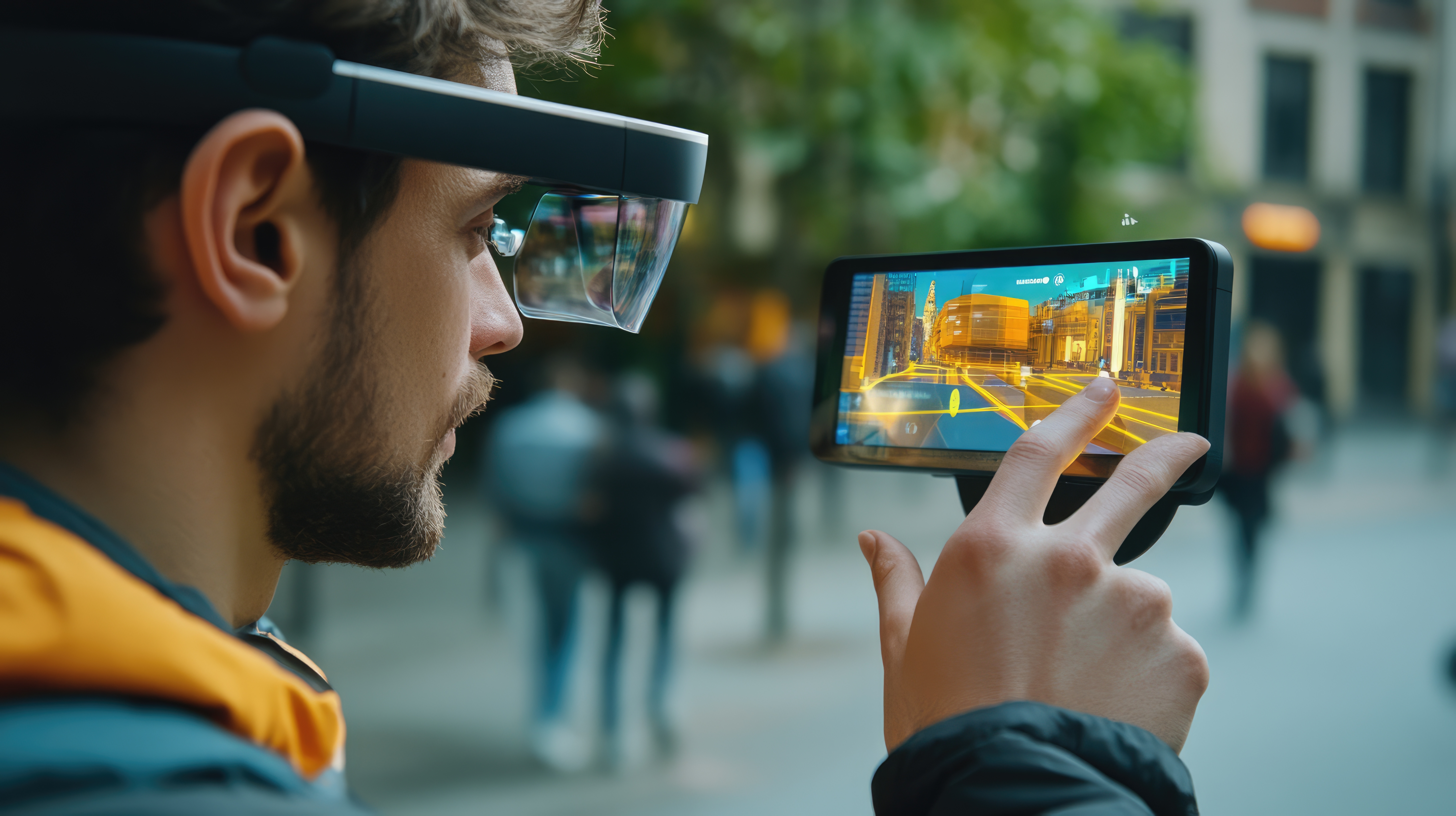
Augmented Reality (AR) is perhaps the most "magical" part of this revolution. We can now use custom stickers or personalised gift wrapping paper as triggers. When a customer views your print through an app or a web-AR link, the design comes to life with 3D overlays or animations.
A real estate client of mine recently swapped their old-fashioned signs for ones with AR triggers. Potential buyers could stand on the pavement, scan the sign, and take a 3D virtual tour of the house right there on their phone. It transformed a static piece of board into a high-tech sales tool. A good graphic designer UK based is essential here to ensure the "trigger" image is distinct enough for the software to recognise while still looking beautiful.
Programmatic Direct Mail: Physical Retargeting
We’ve all experienced "retargeting" online—you look at a pair of shoes, and they follow you around the internet for a week. Programmatic direct mail takes this into the physical world. If a customer abandons their cart on your website, your system can automatically trigger the printing of custom cards or postcards that are mailed out forty-eight hours later.
Receiving a physical, high-quality card with a personalised discount code feels much more premium and intentional than a "ping" in an already cluttered email inbox. This is where sticker paper printing can also play a role; a "Special Offer" sticker on a personalised envelope has an incredibly high open rate.
Elevating the Basics
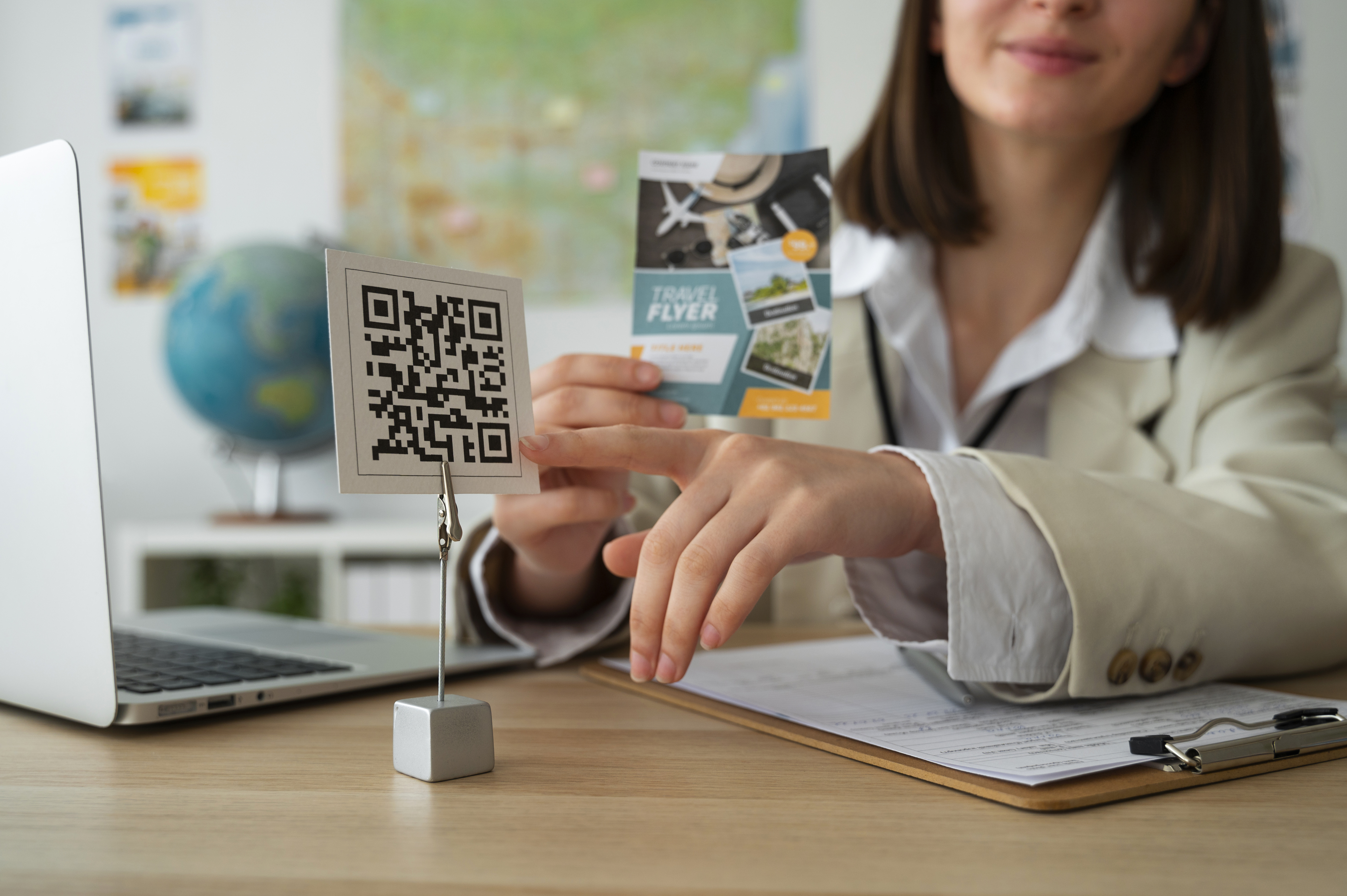
Even the most standard items can be part of this revolution. Budget business cards don’t have to be boring. By adding a simple NFC chip or a well-placed QR code, that card becomes a direct link to your LinkedIn, your portfolio, or a calendar to book a meeting.
When you are looking at paper sticker printing or paper for sticker printing, think about how that sticker will be used. Is it a seal for personalised wrapping paper? Make it a scanable one that leads to a "Thank You" video from your founder. The tech is now affordable enough that even small businesses can play in this space.
In the end, interactive print is about engagement. It’s about taking the tactile, trusted nature of physical print and giving it the limitless potential of the digital world.
FREQUENTLY ASKED QUESTIONS (FAQ)
Q1: Do I need a special app for my customers to use interactive print?
Not necessarily. Most modern smartphones can read QR codes directly through the camera app, and many Augmented Reality (AR) experiences are now "Web-AR," meaning they open directly in a mobile browser without requiring a dedicated app download.
Q2: Is "Smart Packaging" much more expensive than standard box printing?
The cost depends on the tech. Dynamic QR codes are virtually free to implement on your packaging printing and box printing. NFC tags, which are small chips embedded in the card, do add a small cost per unit, but the engagement rates are significantly higher than traditional print.
Q3: What kind of paper for sticker printing is best for QR codes?
For QR codes to scan reliably, you want a high-contrast finish. A smooth, white paper for sticker printing or sticker paper printing is usually best. Avoid overly textured or metallic papers for the code itself, as reflections can sometimes interfere with the camera's ability to read the data.
Q4: Can a graphic designer UK help me set up AR triggers?
Yes, a graphic designer UK who understands interactive print can help you create "trackable" images. These are designs with enough visual "points" for AR software to lock onto. They can also assist in managing the "Phygital" workflow, ensuring your custom cards or personalised wrapping paper look great while functioning perfectly with the digital overlay.
Posted by By Jenny on 9th Mar 2026