When Should I Order Corporate Christmas Cards in the UK?
Posted by By Jenny on 2nd Nov 2026


Posted by By Jenny on 2nd Nov 2026
Learn when to order corporate Christmas cards in the UK with a practical planning timeline covering design, printing, signing and posting to clients.
Your client list is ready, the team has agreed to send Christmas cards, and someone asks the important question: when do we need to order? The answer starts with when you want your clients to open the envelope, rather than the last date a printer can accept artwork.
Our planning recommendation is to order corporate Christmas cards in September or October where possible. November can still be workable, provided you confirm production, delivery and posting arrangements before committing. Allow separate time for design approval, printing, signing and postage.
At Wee Print, our in-house design service helps businesses prepare custom greeting cards. This guide explains how to work backwards from your preferred arrival date, including what to do if your Christmas card planning starts later than intended.

September or October is a sensible planning target for ordering corporate Christmas cards intended for December delivery to clients. This is a recommendation for organising your project, not a fixed industry deadline or a promise about production availability.
If you need a completely new design, begin the brief before your intended order date. A repeat design with approved files needs fewer decisions than a new layout requiring input from several departments.
For a business starting in November, the useful question becomes more specific: can your chosen specification be produced, delivered, signed and posted within your remaining window? Confirm that complete schedule before approving the order.

Ordering before November gives you room to change your own plans. You can correct an outdated logo, revise your message or increase the recipient list without immediately squeezing the time reserved for signing.
Early planning also gives you time to discuss stock and finishes rather than choosing them under pressure. It does not guarantee a shorter production queue or particular materials, so confirm those details for your order.
Your required delivery date should mean the date printed cards reach your office, not the date they arrive with clients. The two dates need a gap for signing, addressing, packing and postage.
As a planning example, you might want cards ready for a late-November signing session before posting in early December. Ask your printer to confirm whether that office delivery date is achievable for your specification.
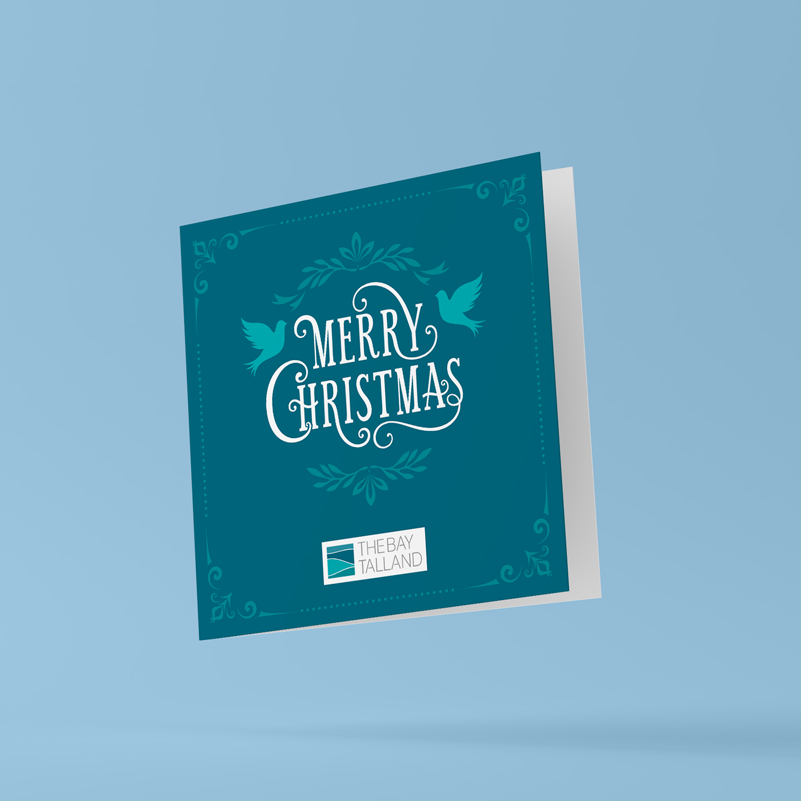
Use the timeline below as a starting point, then adjust it around your confirmed print schedule and client arrival dates. The windows describe suggested project stages, not how long a printer will take to manufacture your cards.
| Stage | Suggested planning window | What to complete |
|---|---|---|
| Brief and recipient planning | September | Agree quantities, budget, logo files, message and design direction. |
| Design and approval | September to October | Review the layout and approve the final proof. |
| Order and production scheduling | October where possible | Confirm the specification and agreed delivery date with your printer. |
| Receive, check and sign | November, before your posting date | Check cards and envelopes, add messages and prepare addresses. |
| Post to recipients | Late November or early December as a planning target | Adjust for destination, postal service and recipient office closures. |
Keep the plan visible to everyone involved. A shared approval date is more useful than a general instruction to have the Christmas cards ready sometime in November.
Start with when you want clients to receive their cards and work backwards through postage, preparation, delivery and production. Ask each person responsible for a stage what time they need before fixing the previous deadline.
For example, a director who signs every card needs a reserved session after delivery. A marketing team posting to several countries needs separate destination dates rather than one deadline for the whole mailing.
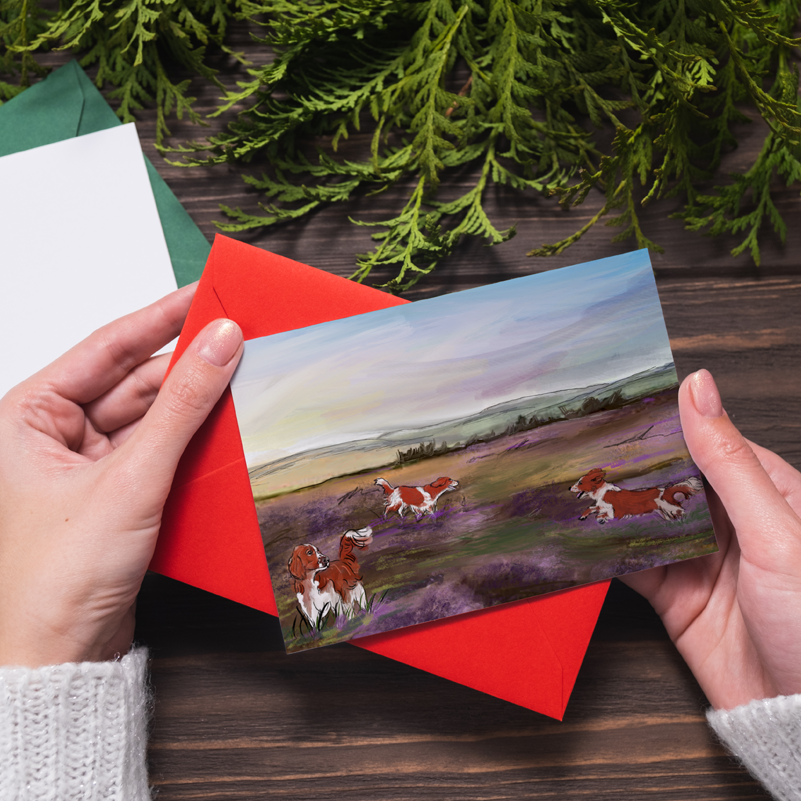
If you are starting in November, focus on the remaining decisions rather than the earlier months in the table. Finalise your recipient count, gather the artwork and request a confirmed schedule for the specification you want.
Combine feedback into one response and nominate one approver. You can also prepare addresses and organise signing while the cards are in production, provided you wait for the finished cards before checking and packing them.
Your ordering deadline depends on your design, quantity, finishing requirements and internal preparation. The same calendar date will not suit a small repeat order and a new design requiring several people to approve it.
Give your printer the whole brief when requesting a schedule. Mention separate designs, different messages, overseas recipients and any date by which your team must receive the finished order.

Approved artwork removes a design stage, but the files still need to match the printer's requirements. A logo pasted into a document is not the same as a complete, checked card layout.
For a new design, consider reserving two to three weeks in your project plan for briefing, feedback and approval. That is an allowance for organising your work, not a quoted Wee Print design turnaround. Confirm the actual schedule when discussing your brief.
Tell your printer both the total quantity and the number of versions you need. Five hundred cards with one message is a different brief from five separate messages divided across the same total.
Do not assume quantity alone tells you the production time. Ask for a schedule based on the actual order, and identify how each version will be allocated so your team can prepare the correct recipient groups.

Discuss finishes before agreeing your deadline because they can introduce additional production stages. Foil, coatings and other decorative treatments should be confirmed for your chosen card rather than assumed available from a general stationery range.
Your print should still work as a greeting card. Leave space for a handwritten message and discuss a suitable writing surface. A finish that looks attractive on the outside may not suit the area where colleagues need to sign.
International recipients need their own posting plan because guidance depends on destination and service. Do not add an arbitrary number of days to your UK schedule and treat it as a delivery promise.
Check the relevant destination guidance before confirming your office delivery date. Preparing overseas cards first can help you meet earlier posting targets, but it cannot ensure every card arrives on the same day.

The number of signatories can affect your schedule as much as the print specification. A card signed by one account manager needs a different process from a card passed around the whole leadership team.
Book the signing session before the order arrives and arrange cover for anyone away. If personal messages matter to your relationships, protect time for them instead of treating signatures as a final five-minute task.
Prepare your logo, message, quantities, recipient list and approval responsibilities before placing your order. A complete brief reduces avoidable questions and helps you compare the proposed schedule with the work still required.
Wee Print's in-house design service can help with the layout, but your team should still provide the correct business details and approve the message. Keep one agreed version of the brief so changes do not become scattered across emails.
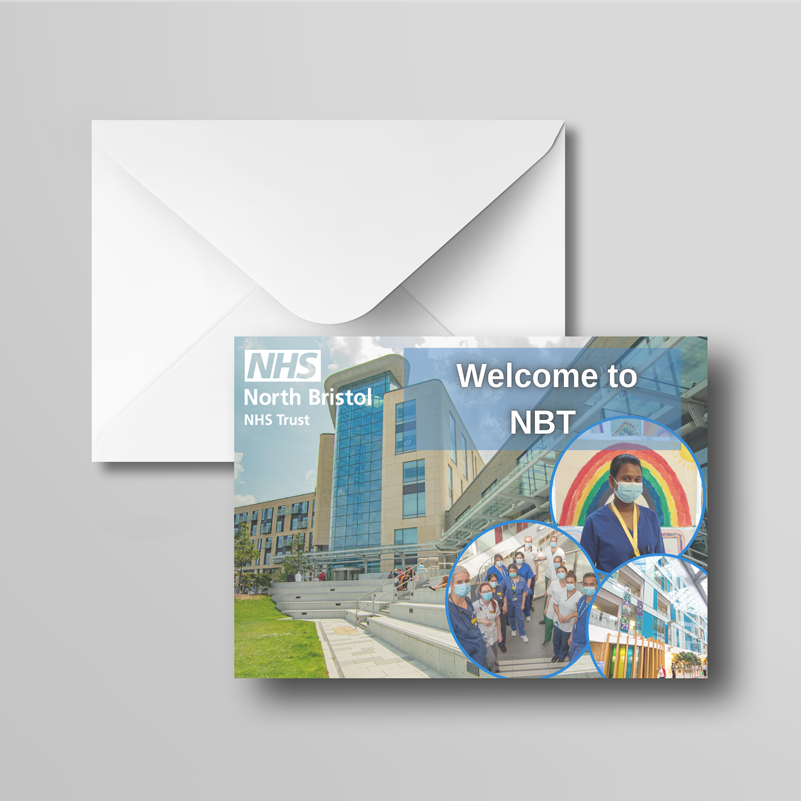
Supply a vector logo where available, such as an AI, EPS or suitable PDF, and include your brand colour references. A PDF can contain low-resolution images, so the file extension alone does not prove artwork is suitable.
If you are supplying photographs, your existing seasonal print guide discusses 300 DPI imagery at final size and CMYK preparation. Use the card printer's template and file requirements for the final layout.
Agree your printed message before the design goes for approval. A short thank-you and seasonal greeting leaves room for your team to add something personal without making the inside of the card feel crowded.
For example, you could thank clients for working with your team and wish them a restful Christmas. Avoid adding a promotion simply to fill the space. Decide separately whether you want a small website address or contact detail on the back.

Count recipients before ordering, including customers, suppliers and partners you intend to thank. Decide whether each person receives a separate card or whether a shared team greeting is more appropriate.
A small spare quantity can cover late additions, but choose that allowance from your own needs rather than an assumed percentage. Check business names, recipient names and current addresses before printing labels to avoid wasting cards or sending greetings to an old office.
Confirm the finished folded size and envelope fit together. An A6 card measures 105 x 148 mm when finished, while A5 measures 148 x 210 mm. Make clear that you mean the folded card size when discussing artwork.
Ask whether envelopes are included and what size they will be. If you plan to add an insert, test the complete pack rather than assuming it will fit. Check the postal requirements for the final addressed envelope before purchasing postage.

Use the template supplied for your chosen card and keep important content clear of the trim and fold. Bleed is artwork extending beyond the cut edge; a safe area keeps text and logos away from places where they could be trimmed or cramped.
For context, your luxury card guide discusses a 4 mm safe area for thick business cards. Do not transfer that specification automatically to a folded Christmas card. Confirm its own bleed, fold and margin requirements before export.
Check every panel of the proof, including the inside greeting and back cover. Review spelling, logo proportions, contact details, orientation and the position of the fold before approving production.
Have a second person read the final wording if possible. Print a simple office copy to check scale and message placement, while recognising that an office printer is not a reliable colour proof for commercial production.
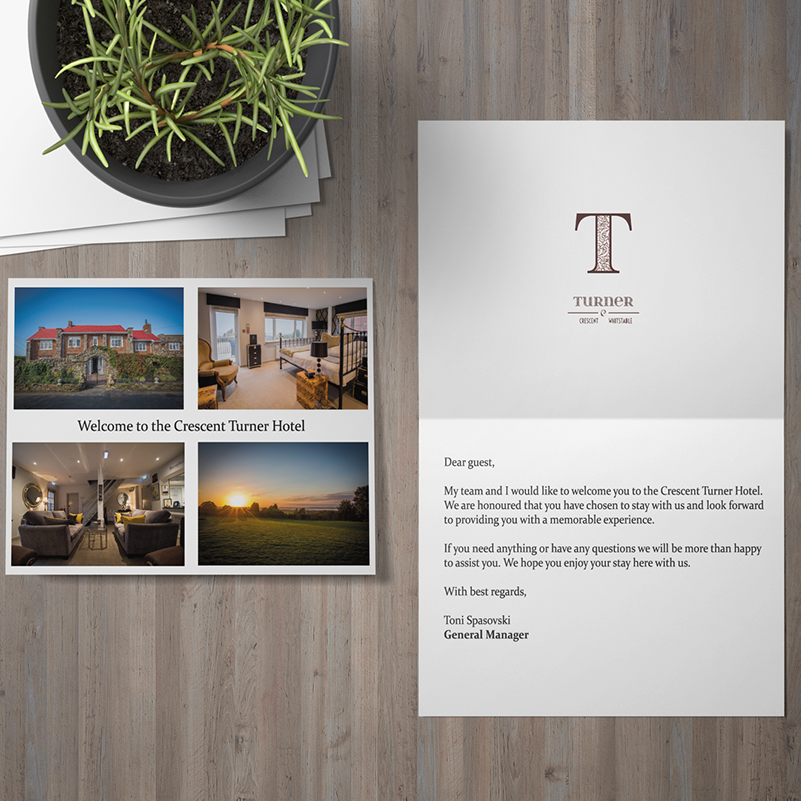
Late November or early December is a useful posting target when you want clients to enjoy their cards before the holiday break. Adjust it for your chosen service, destinations and the dates your recipients will be in the office.
Check current last posting dates directly with your postal provider rather than relying on a previous year's calendar. Christmas postal guidance concerns Christmas delivery; your business greeting may need to arrive earlier than that to reach someone before their leave starts.
A printer's order deadline is not a deadline for getting cards to clients. Production and delivery to you must finish before you can check, sign, address and post the cards.
Record those dates separately in your project plan. If a quote gives a turnaround figure, clarify what starts the clock, what it includes and whether it runs from approved artwork. Do not interpret dispatch as arrival.
Use client office closures or known leave dates where you have them, rather than assuming all businesses stop work in the same week. A card addressed to a named person should ideally arrive while they can open it.
When a client has moved to hybrid working, check the appropriate business address through your existing relationship. A personalised message has more chance of reaching the right desk when the address is current and the recipient is expected there.
Group cards by destination and service so you can prepare earlier-deadline mail first. Keep an internal record of what has been checked and posted to prevent duplicates or missed recipients.
Batching is a way to organise your workload, not a guarantee against postal delays. Allow contingency, check collection arrangements and leave time to correct an addressing problem before your chosen posting date.
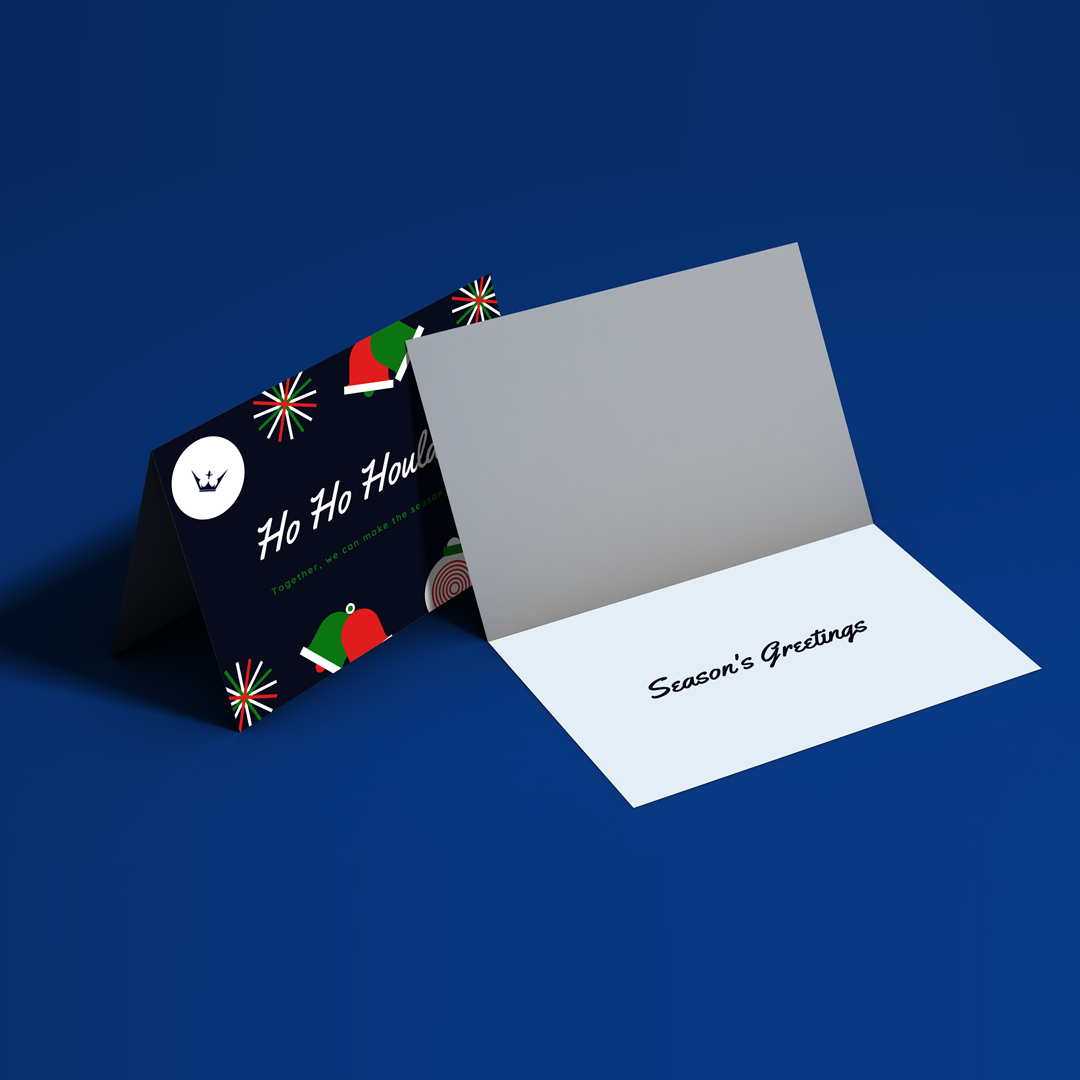
A November order may still be possible, but confirm the complete schedule before relying on it. Artwork readiness, specification, available production capacity and your own signing arrangements all affect whether the remaining time works.
Give Wee Print your required office delivery date and explain what needs to happen afterwards. Ask for confirmation of the production and delivery arrangements for your specific order rather than assuming a general delivery statement covers the whole project.
Resolve the essential decisions together when ordering later in the season. A complete brief allows you to assess the available schedule without several rounds of missing information.
If the original specification cannot meet your target, discuss alternatives before committing. Changing an unapproved design is easier than discovering after production that you have no time left to prepare the mailing.
Wee Print offers custom greeting card printing and in-house design support for business seasonal messages. Supply your logo, wording and requirements so the team can help develop a suitable print-ready layout.
Start the conversation with your desired arrival date, quantity and any special requirements. Confirm the available card specification, envelope arrangements and agreed schedule together, so the design and practical delivery plan support each other.
Your Christmas card needs to feel considered and remain practical to sign, fold and post. Discuss card weight, the inside writing surface and envelope fit alongside the front-cover design.
A restrained layout with space for a personal note can suit a business thank-you. If you prefer photographs or decorative finishes, discuss their suitability for the chosen card rather than assuming a business-card specification will produce the same result.
Get in touch with the Wee Print print and design studio with your quantity, artwork status and preferred delivery date. The next step is to confirm a workable specification and schedule, including the time you need after receiving the order.
You can explore Wee Print and discuss design support before finalising your order. Keep the message personal, give the proof a careful check and leave yourself room to enjoy sending the cards.
No. October is a sensible planning window because it leaves time for printing, delivery, signing and posting before your preferred client arrival date. Confirm your individual production schedule with your printer, particularly if you need several designs or decorative finishes.
Not necessarily, but availability and timing must be confirmed for your order. Send Wee Print your quantity, artwork status and required delivery date. Prepare your addresses and signing arrangements at the same time so you can assess the complete schedule.
Aim for cards to arrive while your recipients are still working before their Christmas break. Early December is a useful planning target, not a universal rule. Check known office closures and use current postal guidance for your chosen destinations and service.
Consider reserving two to three weeks for a new design and internal approval, then agree the actual schedule with your printer. Wee Print's in-house design service can help prepare the layout. Nominate one approver and supply complete wording to reduce avoidable revisions.
Yes, plan overseas cards early enough to meet the relevant destination's postal guidance. Required allowances vary by country and service. Separate international recipients from your UK list and work backwards from their posting dates when agreeing your printed-card delivery schedule.
Yes. Wee Print offers an in-house design service for custom greeting cards. Provide your logo, brand colours, message and intended quantity, then discuss the layout and schedule. Review the final proof carefully before approving the artwork for print production.