

Every year around mid-December, a familiar panic sets in across marketing departments. Budgets are winding down, holiday rush orders clog up delivery networks, and the fear of missing the annual corporate gifting window takes over. Many business owners believe that if their personalised calendars aren't sitting on a client’s desk by Christmas Eve, the opportunity for year-round brand visibility has completely slipped away.
I’ll let you into a little industry secret: that assumption is completely wrong. In fact, January is the absolute goldmine for sending custom wall planners.
I remember working with a boutique engineering consultancy in Scotland who completely missed their Q4 promotional print deadline. They contacted me on January 5th, convinced they had thrown away their annual marketing budget. We quickly turned things around: we designed a clean, minimalist A1 year-at-a-glance planner with key industry trade shows pre-printed on the date grid and had them delivered by the second week of January. The outcome? Their clients were ecstatic. Their office walls were already cluttered with festive cards in December, but come January 10th, they finally had a blank canvas to map out their projects—and our client’s brand was front and centre for the entire year.
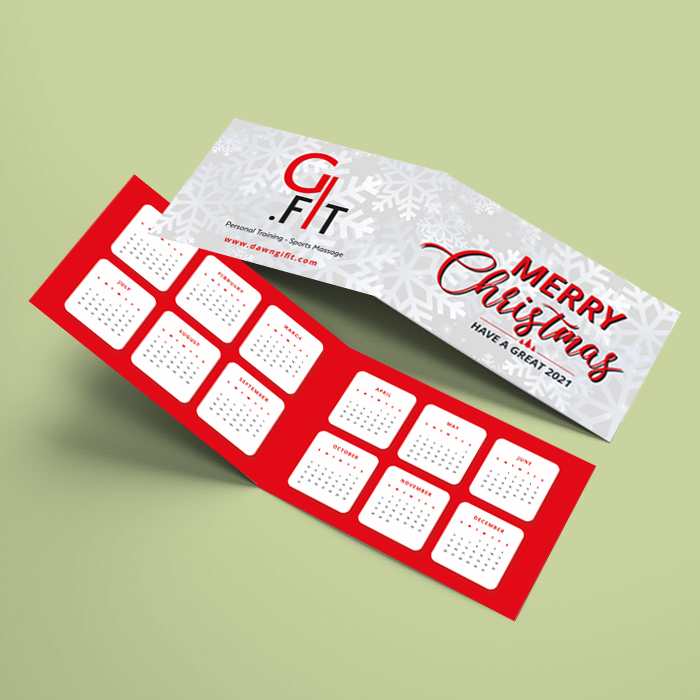
The Power of the Big Picture: Wall Planners vs. Desktop Calendars
While desktop calendar printing is fantastic for individual daily reference, a large-format wall planner serves an entirely different, high-value purpose. It acts as a shared visual hub for the whole office.
-
Maximum Impressions: A wire bound calendar on a single desk is seen primarily by one employee. A wall planner hung in a boardroom or open-plan office is seen daily by management, visiting clients, and cross-functional teams.
-
Strategic Utility: Business teams use wall charts to block out fiscal quarters, track product launches, and schedule annual leave. When your company supplies that canvas, your brand becomes associated with their productivity.
-
Uncluttered Real Estate: By late December, office noticeboards are full. By mid-January, offices clear out the old year and actively look for a fresh, high-quality planner to put up.
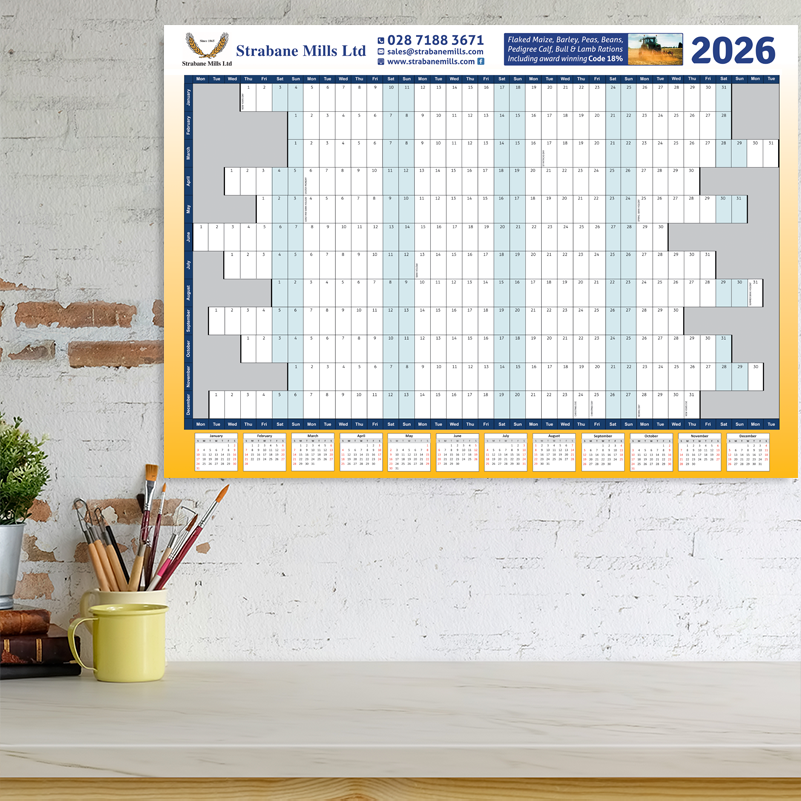
Speed & Precision: The Local Print Advantage
When you need a quick turnaround in early Q1, offshore budget websites with three-week shipping times simply won't cut it. To execute a successful late campaign, partnering with established UK Print Services is crucial.
Working with a trusted graphic designer near me or established calendar printers gives you direct access to expertise on paper weight (gsm), coating options, and layout optimization:
-
Uncoated vs. Laminated: If your clients prefer writing with standard ballpoint pens or pencils, a heavy uncoated stock (170gsm–250gsm) prevents smudging. If they use dry-wipe markers, a high-gloss lamination is essential.
-
Typography & Grid Space: Date boxes must balance legibility with ample white space for scribbling notes.
-
Subtle Branding: Keep company logos and contact details stylishly integrated into the header or footer so the planner feels like a premium workspace tool rather than an overbearing advertisement.
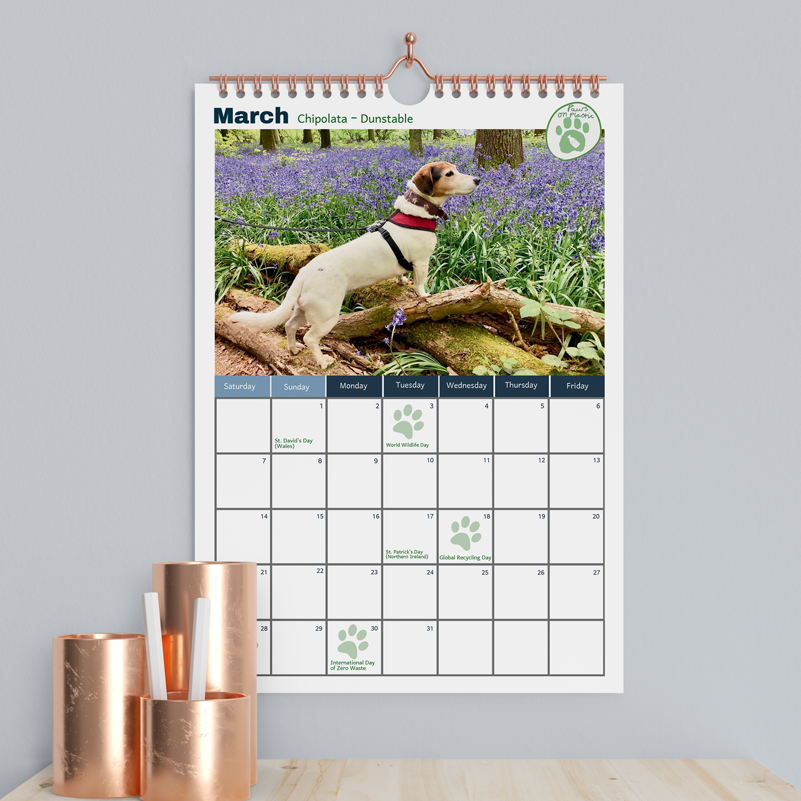
The "Better Late Than Never" Marketing Strategy
Sending out promotional print in January provides a natural, professional touchpoint. Instead of your gift getting buried under December junk mail, it arrives alongside a thoughtful note. Pairing your wall chart with thank you for ordering cards or a handwritten "Happy New Year – Let's Plan 2026 Together" message reframes your delivery from a late holiday gift into a proactive business enablement tool.
Whether you are looking for local aberdeen printers, reputable printers glasgow, or trusted printers near me across the UK, taking action today ensures your business stays visible for the next 12 months.
FREQUENTLY ASKED QUESTIONS (FAQ)
Q1: Is January really a good time to send calendar printing products to clients?
Yes. January is often ideal because businesses are actively setting goals, scheduling projects, and clearing out old materials. A planner arriving in early January lands right when clients are organizing their workspaces for the year ahead.
Q2: What is the main structural difference between a wall planner and a wire bound calendar?
A wire bound calendar typically consists of 12 individual pages bound together at the top, allowing the user to flip to a new page each month. A wall planner displays all 12 months on a single large sheet (usually A1 or A2 size), providing an at-a-glance view of the entire year.
Q3: Why should I work with a local graphic designer near me instead of using online templates?
A professional graphic designer ensures your corporate branding aligns perfectly with functional grid design. They will account for correct print bleeds, high-resolution logo placement, and regional public holidays, saving you time and avoiding costly re-print errors.
Q4: What paper stock works best for a write-on wall planner?
For standard pen and pencil writing, a 170gsm to 250gsm uncoated or silk paper stock is recommended to avoid ink smudging. If you require a reusable surface for whiteboard markers, choose a heavy coated paper with a gloss lamination finish.
Q5: Can desktop calendar printing be combined with a wall planner campaign?
Absolutly. Many UK businesses order a combination of desktop calendar printing for individual client desks and large-format wall planners for communal office areas, maximizing overall brand reach within client organizations.
Posted by By Jenny on 2nd Sep 2026