

In an age where corporate communication has been reduced to Slack pings, generic LinkedIn endorsements, and automated email sequences, genuine human connection has become a scarce business commodity. When Christmas rolls around, or a major commercial milestone is achieved, what do most businesses do? They schedule a mass-templated email or send an animated e-card that gets flagged by spam filters or banished to the bin folder after half a second.
As a commercial printer and graphic designer who has spent years on the production floor, I can tell you that the businesses quietly winning client loyalty are doing the exact opposite. They are leaning into the tactile, sensory power of printed corporate greetings cards and bespoke business calendars.
A few years back, an accountancy firm came to us in late November, completely demoralised. For three consecutive years, they had sent out an animated holiday e-card to over a thousand clients. Their tracking software showed an open rate of just 14%, and not a single client had ever replied or acknowledged it. We persuaded them to trial a run of heavyweight 400gsm greetings cards, finished with a subtle copper hot-foil logo on the front and left uncoated inside so the partners could hand-sign personal notes. The reaction was staggering. Clients were phoning the office to thank them, partners received emails referencing the handwritten comments, and several cards were spotted proudly displayed on clients' reception desks well into February. The managing partner called me in January and said, 'We're never sending another digital holiday email as long as we live.
A physical card or calendar bypasses the cynicism of modern marketing because it does not feel like an advert; it feels like a personal exchange of goodwill.

The Emotional Equity of Bespoke Greetings Cards
A printed greeting card operates on a psychological level that no digital channel can replicate. When someone receives an envelope addressed to them, the brain registers curiosity and value before the seal is even broken.
Beyond the Festive Season: The Power of the Unexpected
While Christmas, New Year, and holiday cards remain standard fixtures, the most strategically astute brands use greetings cards throughout the entire calendar year.
-
Project Milestones: Commemorating the successful completion of a contract or launch.
-
Client Anniversaries: Marking one, five, or ten years of working together.
-
Welcome Cards: Tucked inside new-client onboarding packs to humanise the initial engagement.
-
Sympathy and Personal Support: Demonstrating authentic empathy during challenging personal or professional times.
When a card arrives out of the blue—without a sales pitch attached—it communicates genuine care. That perceived goodwill translates directly into higher retention rates and deeper business relationships.
The Printer's Guide to Card Specifications
If you want a corporate greeting card to sit proudly on an executive's desk rather than end up in the paper recycling bin, the technical execution must be spot on:
-
Paper Stock Weight: Never go lighter than 350gsm. A lightweight card will bend, bow, and curl under warm office lighting. A heavy 400gsm silk or uncoated FSC-certified board provides the necessary rigidity to stand tall and feel substantial in hand.
-
The Right Internal Finish: Always specify an uncoated or lightly textured inner surface. Coated or laminated interiors cause fountain pen and biro ink to smudge, ruining the personal, handwritten message inside.
-
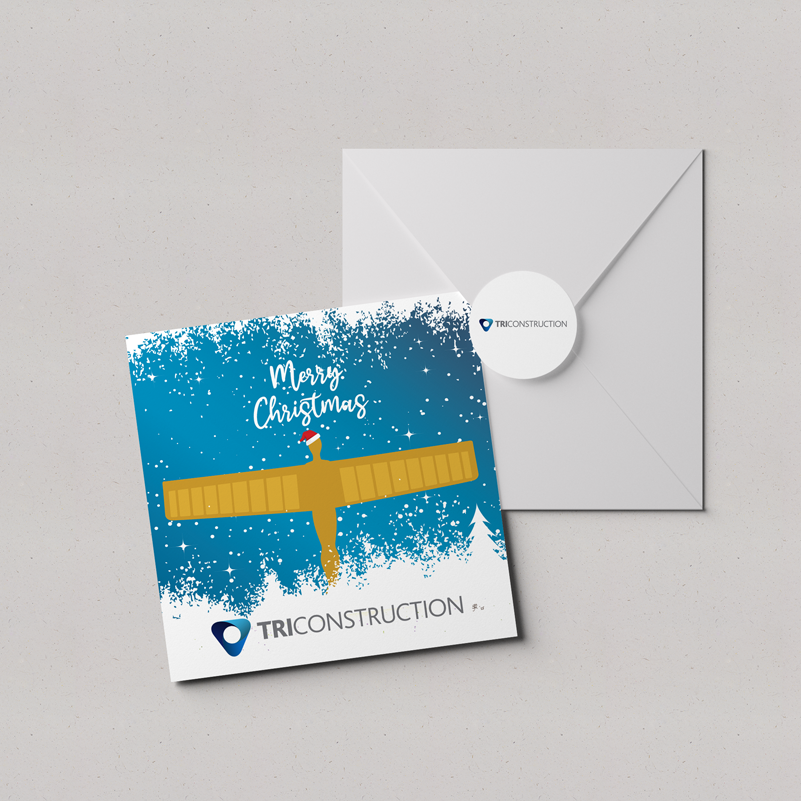
Sensory Finishes: Tactile embellishments like blind debossing, soft-touch lamination, and metallic foil stamping turn a standard piece of folded card into a luxury object.
Branded Calendars: The Holy Grail of 365-Day Desk Real Estate
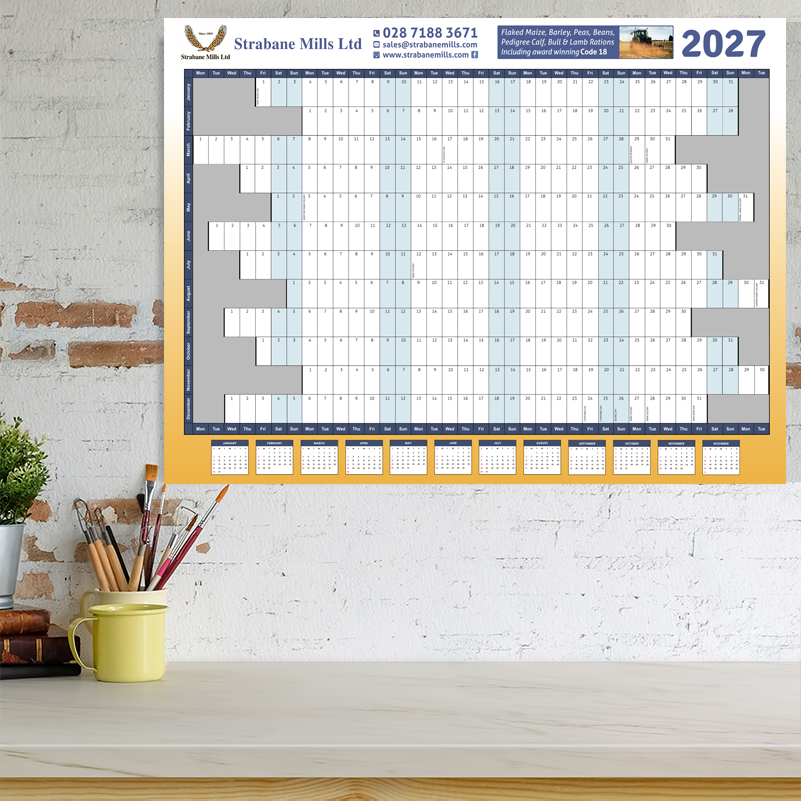
If a greeting card provides an intense burst of emotional connection, a branded calendar is the ultimate marathon runner of B2B brand exposure.
Think about the economics of advertising space: brands pay astronomical sums to rent digital banners, social impressions, or motorway billboards. A bespoke calendar, when properly designed, occupies prime physical real estate right beside your client's keyboard or directly on their office wall for 365 consecutive days.
The Golden Rule: Design for the Recipient, Not Your Ego
The biggest mistake businesses make with branded calendars is turning them into giant, monthly brochures. If every page features a massive photo of your warehouse, a screaming sales slogan, and your phone number in giant font, your calendar will never see the light of day. It will be tossed into the store cupboard before January ends.
I once worked with an industrial engineering company that insisted on filling every month of their wall calendar with giant, technical cross-sections of hydraulic valves, accompanied by an aggressive sales pitch. When I visited their clients' offices the following February, not one of those calendars was on display. The next year, we completely overhauled the strategy. We sourced striking, minimalist black-and-white photography of iconic British architectural feats, reduced the company branding to a refined, elegant footer strip, and included large, practical date grids for jotting down notes. Clients loved them so much that by early November the following year, they were actually ringing up the engineering firm asking when their new calendar was arriving. That is how you turn a promotional item into an essential office fixture.
Choosing the Right Calendar Format
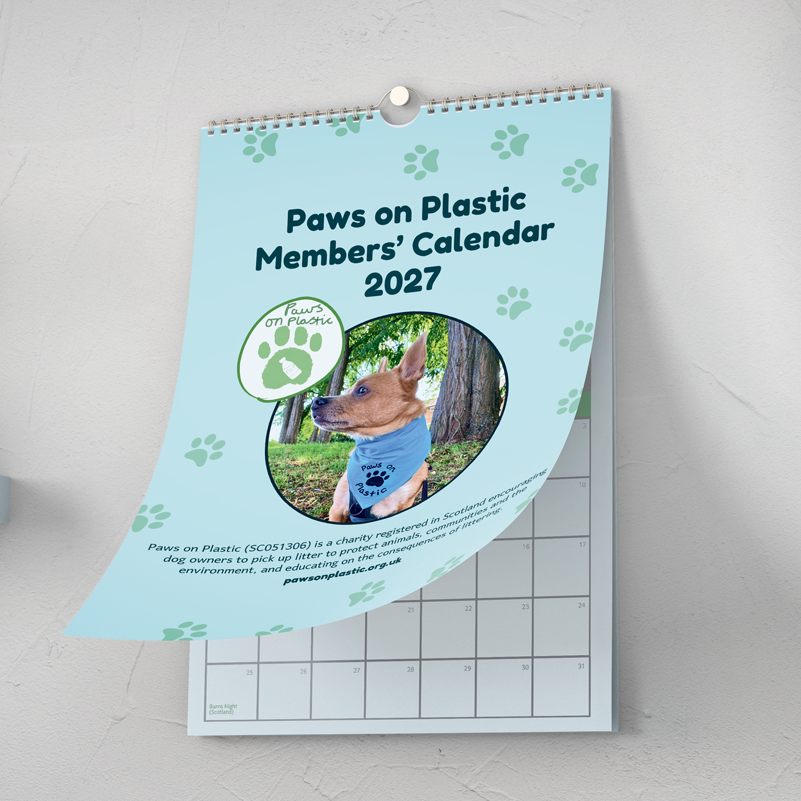
Different workplaces require different formats. Aligning the structure with your client's working environment ensures maximum utility:
-
Desk Tent Calendars: Compact and wire-o bound with an integrated triangular easel base. These are perfect for individual desks, taking up minimal room while remaining in the user's peripheral vision all day long.
-
Wiro-Bound Wall Calendars: Ideal for shared spaces, boardrooms, and reception areas. High-quality imagery combined with clear date grids makes these natural focal points for teams coordinating project schedules.
-
Year Planners: Large-format laminated planners (A1 or A2) allow whole departments to map out quarters, holidays, and campaign sprints in one glance.

Maximising ROI: Production and Distribution Tactics
To extract the highest possible return on investment from your greetings cards and calendars, keep these strategic pointers in mind:
-
Beat the December Rush: If you are distributing holiday greetings or annual calendars, ship them by mid-November. Being the first calendar to arrive means yours claims the prime desk or wall space before your competitors even post theirs.
-
Coordinate with Envelope Printing: Never post a premium card or bespoke calendar in a flimsy, unbranded jiffy bag or plain commercial envelope. Custom-printed envelopes that match the design and paper stock inside establish credibility the moment the post arrives.
-
Incorporate Subtle Interactive Touchpoints: Add a discreet QR code on calendar date grids linking to quarterly industry resources, booking links, or video greetings. This bridges the physical-to-digital gap effortlessly.
FREQUENTLY ASKED QUESTIONS (FAQ)
Q1: Why are printed corporate greetings cards more effective than digital e-cards?
Printed greetings cards provide a tactile, sensory experience that digital alternatives cannot duplicate. While e-cards are often overlooked, marked as spam, or deleted within seconds, physical cards are opened with curiosity, read thoroughly, and frequently displayed on desks or mantelpieces for weeks. This continuous visual presence conveys genuine thoughtfulness, strengthens personal business relationships, and dramatically improves client retention.
Q2: What is the best paper stock for business greetings cards?
The ideal paper stock for business greetings cards is a heavyweight board between 350gsm and 400gsm, such as an FSC-certified silk or premium uncoated stock. It is critical that the inside of the card remains uncoated so that handwritten notes can be penned smoothly without ink smudging. Premium finishes like soft-touch lamination, embossing, or hot foil stamping can be applied to the exterior to elevate perceived value.
Q3: How do branded desk and wall calendars deliver a strong marketing ROI?
Branded calendars provide continuous, 365-day brand exposure for a single, upfront production cost. Unlike fleeting digital ads that require recurring budgets, a well-designed calendar sits in your client's immediate peripheral vision every working day. This constant visibility reinforces brand recall, establishes top-of-mind awareness, and provides functional utility that clients rely on throughout the year.
Q4: When should businesses order and send out corporate calendars and Christmas cards?
Businesses should ideally finalise designs and place print orders for calendars and Christmas cards by late September or early October. Distribution should occur by mid-November. Sending calendars early guarantees that your item arrives first, securing valuable wall or desk space before competitors' materials arrive. Early mailing also avoids the seasonal postal congestion and shipping delays common in December.
Q5: What are the key design rules for ensuring clients actually use a promotional calendar?
The primary rule is to prioritise utility and aesthetic appeal over heavy-handed advertising. Use high-resolution, tasteful imagery or clean typography, provide generous writing space in the date grids, and keep your corporate branding subtle and refined. When a calendar functions as an attractive piece of workspace decor rather than a blatant sales flyer, recipients are far more likely to display and use it all year long.
Posted by By Jenny on 16th Nov 2026