
Running an online business means operating in a crowded digital landscape. You tweak your website copy, optimize your conversion funnels, and adjust your ad campaigns daily. Yet, despite all those digital interactions, one challenge remains constant: building deep, memorable brand trust when your customer can never physically shake your hand.
That’s precisely why physical card printing has become a secret growth lever for modern e-commerce brands and online service providers. A beautifully crafted card acts as a physical anchor for your online identity. By giving customers something tangible to hold, you bridge the gap between a fleeting browser session and a lasting brand relationship.
Transforming the Unboxing Experience
If you run an e-commerce brand, the moment a package arrives on your customer’s doorstep is your single most important physical touchpoint. Sending a plain cardboard box with a folded invoice inside is a missed opportunity. Replacing that invoice with a luxury insert completely changes the dynamic.
A niche online skincare client came to us because their repeat purchase rate had stalled. We created a custom package insert strategy featuring a high-end print gift card and a personalised thank-you note printed on a rich 400gsm card printing paper. The results were immediate. Customers started tagging the brand in unboxing stories on social media, using the discount code on the gift card print, and driving repeat orders up within six weeks. A simple piece of card paper turned a routine delivery into a shareable event.
From Pixels to Press: Getting the Technical Setup Right
Transitioning from web design to business card print design requires a shift in how you handle media files. On the web, everything is built using RGB light; on a commercial press, we print using CMYK inks. If you upload a file designed in RGB without converting it, your vibrant digital colours can turn muted and flat on the physical page.
Another detail that trips up digital teams is the concept of "bleed." When printing to card, industrial cutters require a 3mm safety margin extending beyond the final trim line. Without this bleed, tiny white slivers can appear along the edges of your finished cards.
If managing print setup feels overwhelming, taking advantage of dedicated design business card printing services ensures your high-resolution digital assets translate accurately to paper on the very first run.
Choosing the Right Stock: Your Physical Avatar
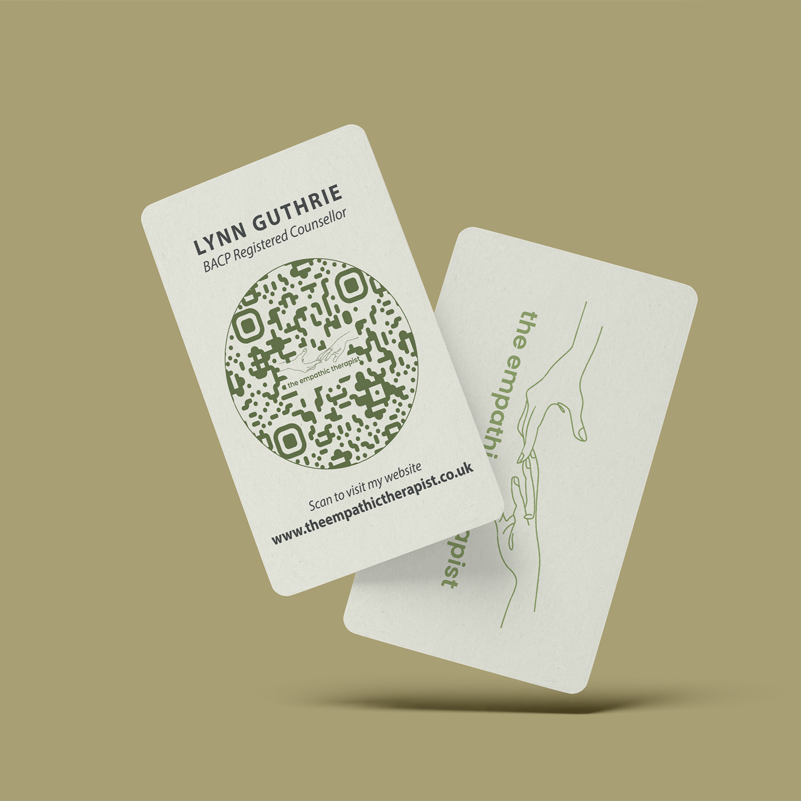
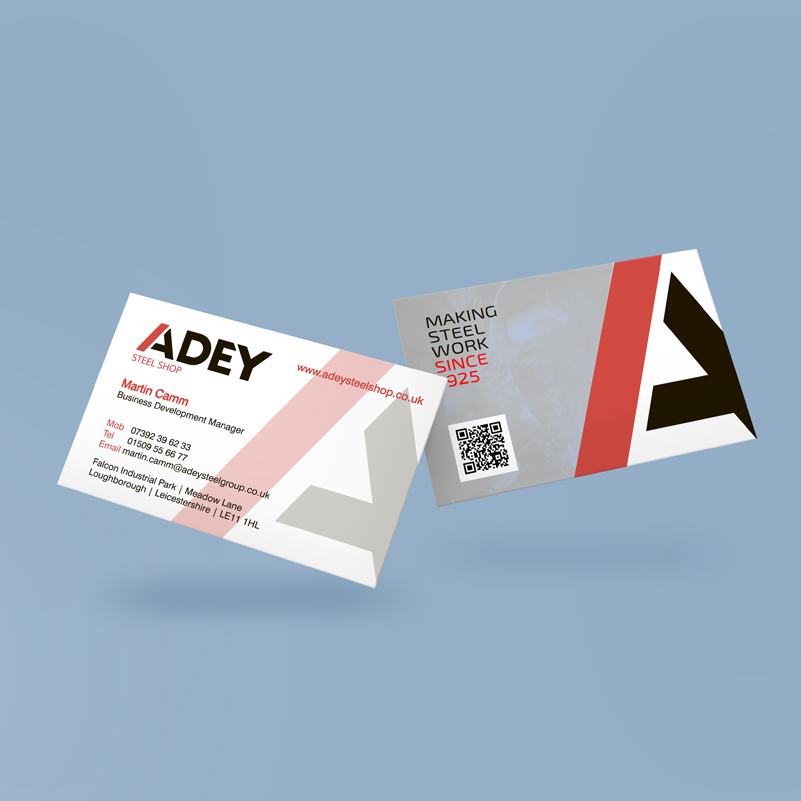
When a customer receives your card, their subconscious immediately evaluates the weight and texture. If your card feels thin or flimsy, that impression gets linked to your brand. Choosing the right paper for printing cards is vital for conveying quality.
-
Heavyweight Stocks (350gsm – 450gsm): Essential for a professional business card or durable insert. It gives your card a reassuring, premium feel.
-
Matte Lamination: A smooth, non-reflective finish that exudes modern sophistication. Ideal for tech startups, SaaS platforms, and minimalist branding.
-
Gloss Lamination: Vibrant and reflective, perfect for card photo printing where you want product images or portfolio shots to pop off the page.
-
Uncoated Stock: Natural and tactile, making it the perfect choice for eco-conscious brands or cards intended for handwritten notes.
Creating a Unified Offline Marketing Strategy
Your print presence shouldn’t stop at a single card. A cohesive family of physical assets strengthens your brand authority whenever you interact with customers offline—whether that's at pop-up markets, trade conferences, or inside shipping boxes.
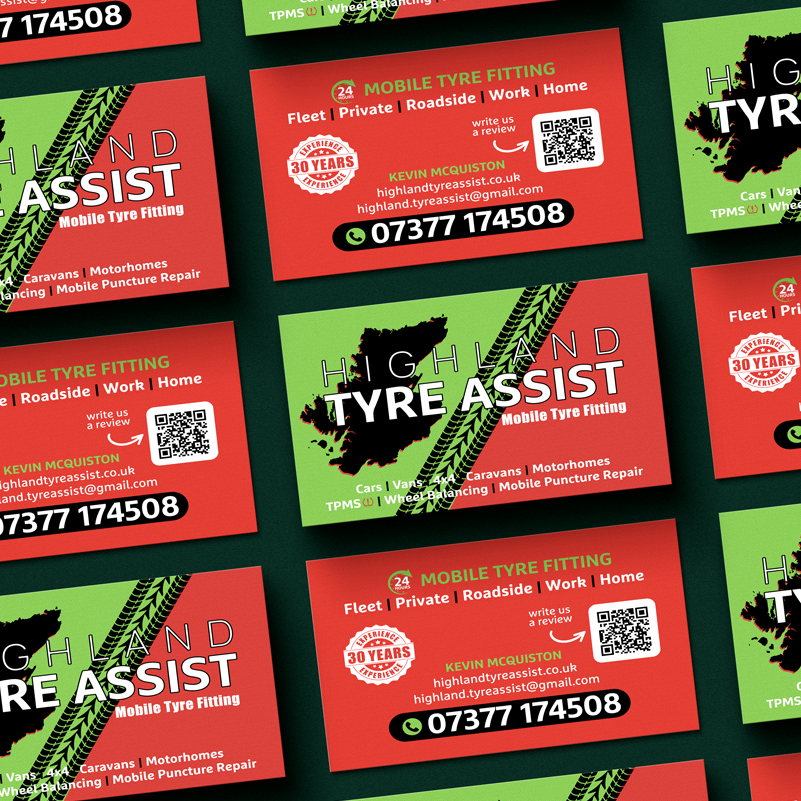
Combining your orders through flyer and business card printing bundles ensures matching colours and paper stocks across all marketing collateral. Adding a branded place card print to corporate dinner tables, sending custom invitation card printing for exclusive online events, or using gift card printing as an incentive for high-value customers creates a consistent brand story.
Whether you need custom greeting card printing for holiday thank-yous or poster card printing for an upcoming pop-up event, maintaining high standards across all your printed assets shows your audience that you care about quality in every dimension of your business.
FREQUENTLY ASKED QUESTIONS (FAQ)
Q1: Why should an online-only business invest in physical card printing?
Physical print assets give online brands a tangible presence that digital ads cannot match. Including items like a custom print gift card or thank-you insert inside shipping packages improves customer retention, enhances the unboxing experience, and drives direct repeat traffic back to your website.
Q2: What is the main difference between designing for a website and designing for print?
Websites use RGB colour modes and low-resolution images (72dpi) optimized for fast loading. Professional card printing requires CMYK colour profiles and high-resolution files (at least 300dpi) with a 3mm bleed margin to ensure accurate colours and crisp lines when trimmed.
Q3: What paper weight should I choose for my business cards?
For a sturdy, professional business card, select a card printing paper weight of at least 350gsm. For a truly luxury feel, 400gsm or 450gsm provides a thick, rigid card that resists bending in wallets or pockets.
Q4: Can I write handwritten notes on a card with a matte or gloss finish?
Standard ink pens tend to smudge on laminated surfaces like gloss or matte finishes. If you plan to write handwritten discount codes, thank-you messages, or use the card as an appointment reminder, choose an uncoated print card paper.
Q5: How does bundling flyer and business card printing help my brand?
Ordering a combined business card and flyer printing package ensures that your printer uses the exact same ink calibration and matching paper stock across all items. This guarantees visual consistency across your offline marketing campaign while reducing total setup costs.
Q6: What is the standard business card size in the UK?
The standard UK business card size is 85mm x 55mm. When submitting your business card print design file, remember to add a 3mm bleed on all four sides, making your overall artwork canvas 91mm x 61mm.
Q7: How long does a custom card printing order usually take?
Standard printing orders generally take between 2 to 4 business days. Orders that include special finishes such as spot UV varnish, metallic foil stamping, embossed lettering, or die-cut custom shapes typically take between 5 to 10 business days.
Posted by By Jenny on 21st Oct 2026