
Preparing for a trade show, pop-up, or networking event in the UK can feel like a marathon. As someone who has spent years behind both the design desk and the industrial press, I’ve seen businesses show up with nothing but a smile and a stack of flimsy flyers, and I’ve seen others transform a simple 3x3 metre shell scheme into a high-end boutique experience.
The difference isn't just budget; it’s the tactile quality of your brand. In a world that is increasingly digital, physical print carries a weight—literally and figuratively—that an email simply cannot match. Here is how to use strategic design and high-quality print to ensure your business is the one people remember long after the hall lights go down.

The First Impression: Beyond the Standard Card
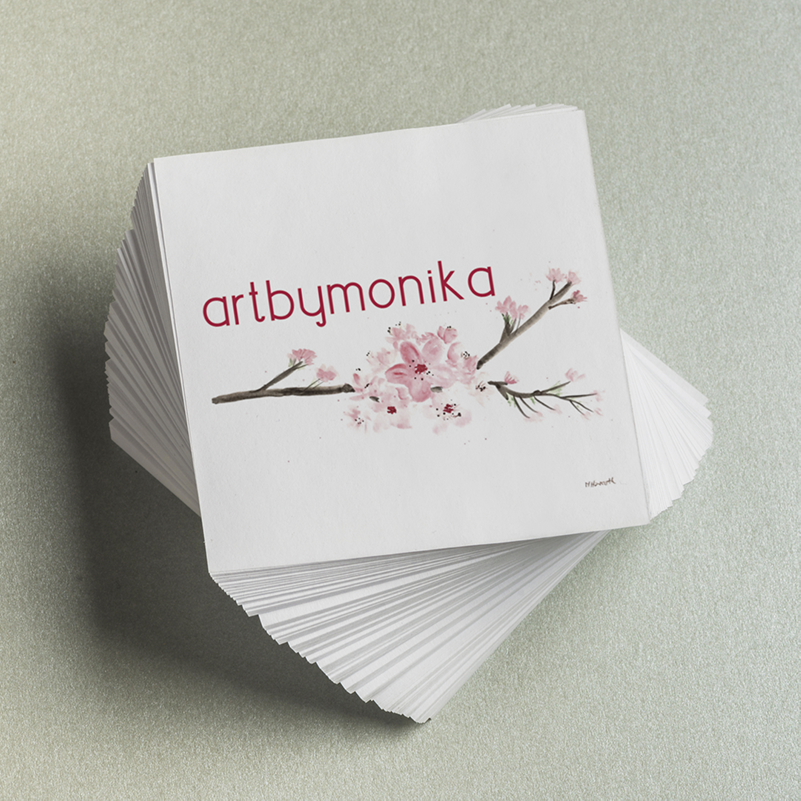
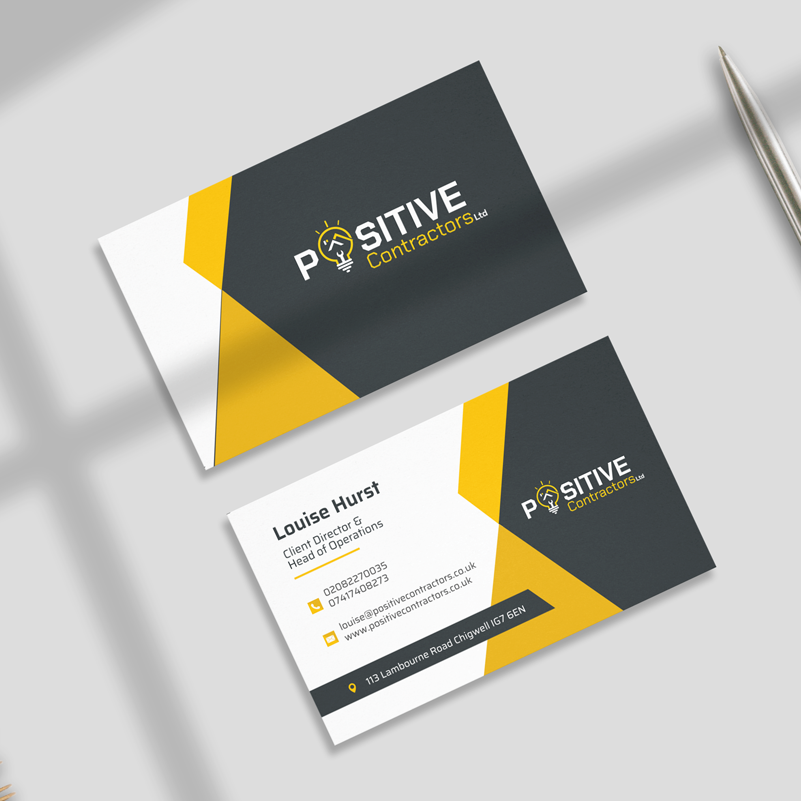
When you’re at a busy event in London or Birmingham, you’ll likely hand out hundreds of cards. Most of them end up in a pocket, then a drawer, then the bin. If you want to avoid that fate, you need to change the geometry of the interaction. I always suggest square business cards to my clients who want to break the "standard" mould. There is something about the weight and the unusual shape that makes a person pause for a split second longer. That split second is your window to make a connection.
I remember working with a boutique florist who was heading to her first major wedding expo. She was worried about being "just another florist." We moved away from the standard rectangle and designed a set of heavy-stock cards with a soft-touch laminate. The tactile shift was immediate. People weren't just taking her contact details; they were stroking the card. It became a conversation starter. If you are looking for business cards England has some fantastic speciality papers available that can turn a simple piece of card into a luxury object.
Commanding the Room from the Ground Up
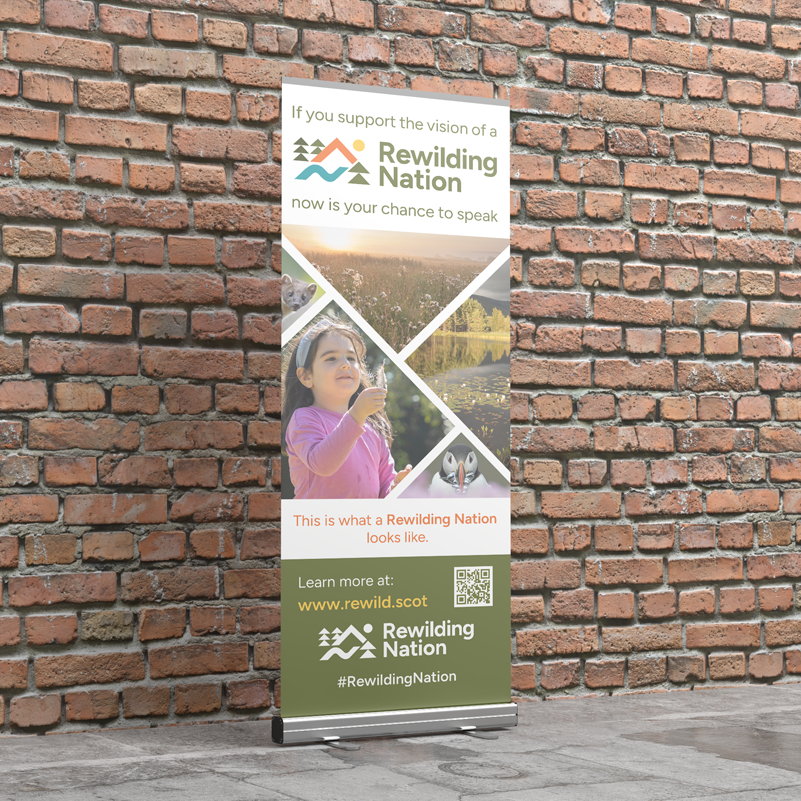
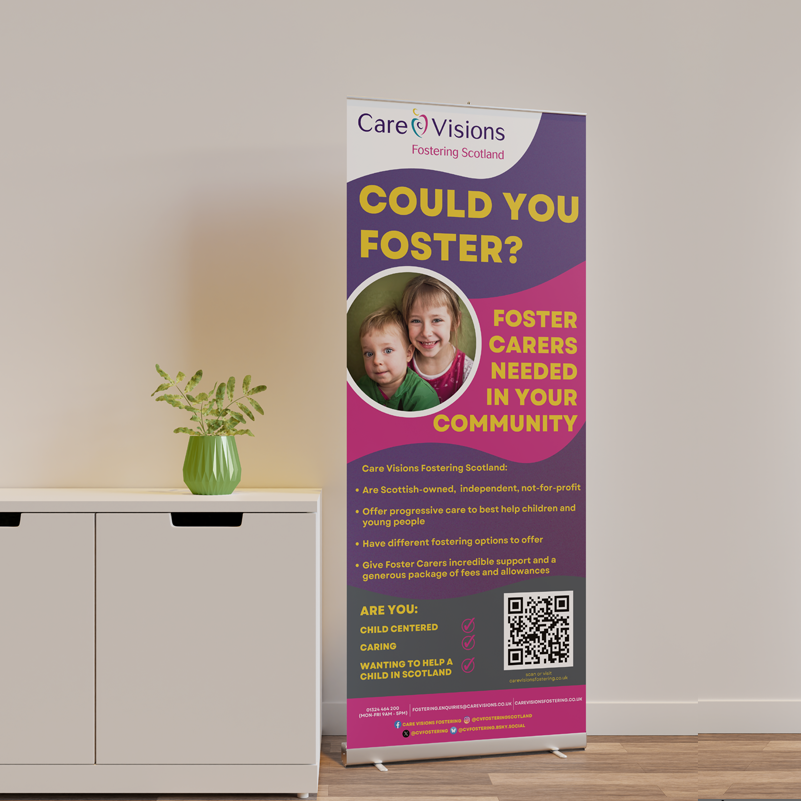
Visibility is your biggest hurdle at any large-scale event. You are competing with hundreds of other brands for "eye-time." This is where pull up banner printing becomes your best friend. A well-designed banner acts as a silent salesperson, broadcasting your USP from across the room. However, the mistake I see most often is "information overload." Your banner shouldn't be a CV; it should be a lighthouse.
A few years back, I helped a local tech startup with their booth. They wanted to list every single feature of their software on a single banner. I had to gently steer them back—nobody stands in a crowded aisle to read 500 words of fine print. We went with one bold headline, a striking visual, and a clear call to action. We used a local printer near me to ensure the colour calibration was spot on, especially with their specific brand of "electric blue." When they got to the event, they were the most visible stand in their row because their messaging was punchy and legible from twenty paces.
The Psychology of the Table: Keeping the Conversation Going
Once you’ve lured someone to your stand, you need to keep them there. Or, if you’re at a seated networking lunch, you need to claim that "prime real estate" on the table. A table talker is an incredibly underrated tool for this. It’s a three-dimensional way to display pricing, a QR code, or a special event-only offer. It stands upright, occupies space, and is almost impossible to ignore while someone is waiting for their coffee.
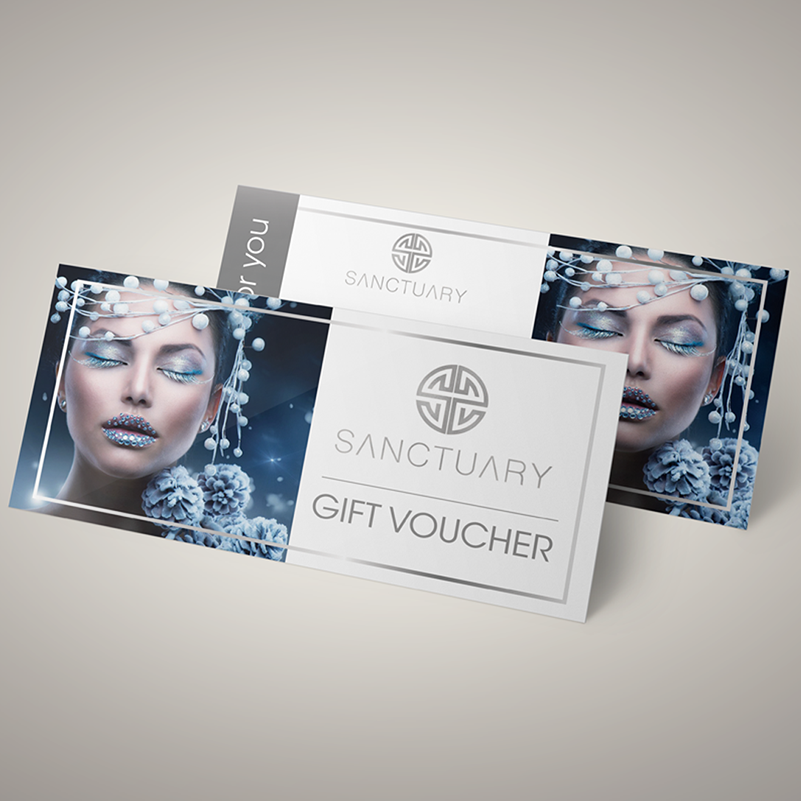
I often recommend using these for "exclusive" event content. For instance, you could print a QR code that leads to a hidden landing page or use it to print the voucher for a discount that expires at the end of the day. It creates a sense of urgency and "insider" status for the attendee. It’s about making the customer feel like they’ve stumbled upon something special, rather than just being sold to.
The Unboxing Experience: Even at an Event
If you are selling physical products at a pop-up or a fair, the "handover" is your final chance to impress. If you drop a premium product into a plain plastic bag, you’ve killed the momentum. This is where custom wrapping paper and custom tissue paper come into play. It’s the difference between a transaction and an experience.
I once worked with a small leather goods maker. He was selling beautiful, handcrafted wallets but was just handing them over in paper bags. We designed some bespoke tissue paper with a subtle, repeating monogram and added some elegant swing tags to the products themselves. The next time he went to a craft fair, he noticed people weren't just buying the wallets; they were taking photos of the packaging to post on Instagram. That’s free marketing. By investing in the "reveal," he turned every customer into a brand ambassador.
Loyalty and the Long Game
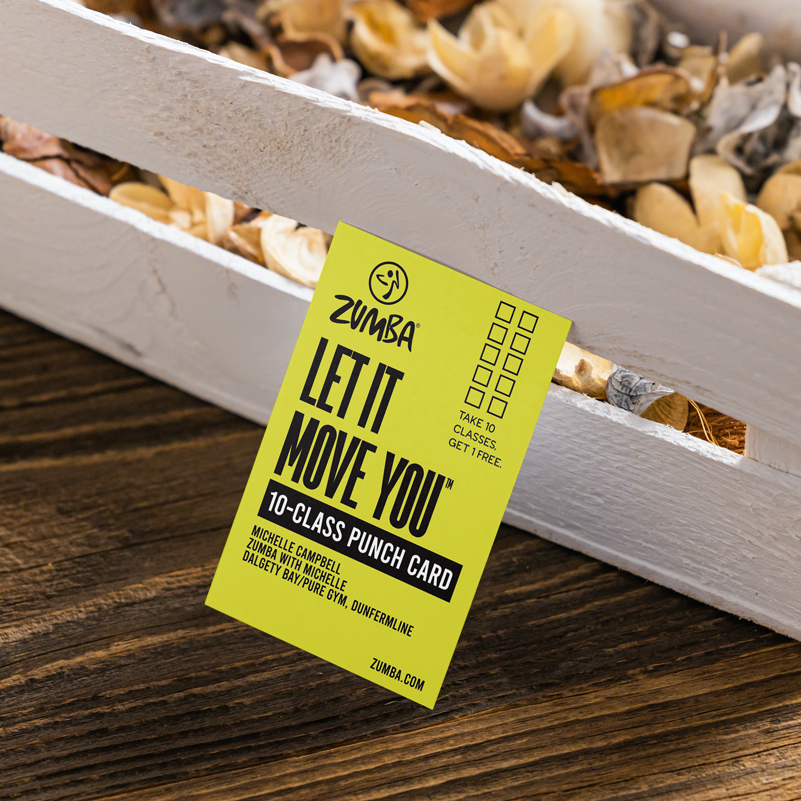
Events are great for immediate sales, but the real value is in the follow-up. How do you ensure that a person who met you on a Tuesday remembers you on a Friday? This is where bookmark printing and loyalty card printing offer a clever, functional solution. A bookmark is a "useful" piece of print—people keep them. Every time they open their book, they see your logo. It’s subtle, persistent branding.
Loyalty cards, on the other hand, are a psychological contract. If you give someone a card with their first "stamp" already filled in, they are significantly more likely to return to your shop or website to complete the set. It’s a small investment in online printing that yields a high return in customer lifetime value.
The Foundation: Why Design Matters
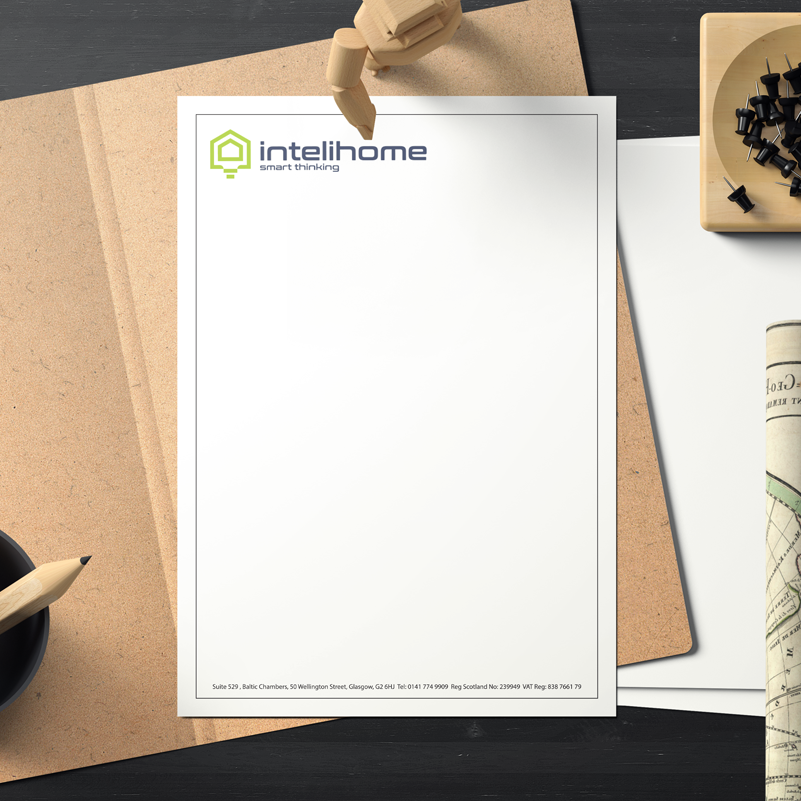
You can have the most expensive paper in the world, but if the layout is messy, your brand will look amateur. This is why a professional logo design service is non-negotiable. Your logo needs to work as well on a tiny swing tag as it does on a massive pull-up banner. It needs to be scalable, legible, and reflective of your brand's "vibe."
Early in my career, I saw a company try to save money by using a low-resolution clip-art logo they found online. When they sent it for large-scale printing, the result was a pixelated mess that made their high-end consultancy look like a basement operation. They ended up spending twice as much to have it redesigned and reprinted. Do it right the first time; your brand's reputation is worth the investment.
Navigating the World of Online Printing
The convenience of online printing has changed the game for small businesses. You can now access high-end finishes like foil stamping or spot UV from the comfort of your office. However, the "human touch" still matters. When you search for a printer near me, you’re looking for a partner who understands the local market and can offer advice on lead times and paper weights.
My advice? Use the internet for your bulk orders and your standard runs, but don't be afraid to pick up the phone and talk to a pro when you’re trying something new. Whether you’re looking for business cards England-wide or a specific type of bespoke packaging, a good printer will help you avoid the common pitfalls of bleeds, margins, and colour profiles.
FAQ: Your Print and Design Questions Answered
What is the best size for a pull-up banner?
The standard and most popular size for a pull-up banner in the UK is 800mm x 2000mm. It’s large enough to be seen from a distance but compact enough to be carried easily in a padded shoulder bag.
Why should I choose square business cards over standard ones?
Square business cards (usually 55mm x 55mm) stand out because they don’t fit the standard "wallet" profile. They feel more modern and creative, making them ideal for designers, photographers, and high-end lifestyle brands.
What information should I include on a table talker?
Keep it simple. Use one side for a high-impact visual, one side for your primary offer or "hero" product, and the third side for your contact details or a QR code. Avoid cluttering it with too much text.
Can I use my own design for custom tissue paper?
Yes! Most online printing services allow you to upload a pattern or your logo.
What is the difference between a swing tag and a regular label?
A swing tag is attached via a string or ribbon, offering a more "premium" feel.
How do I ensure my colours look the same in print as on my screen?
Always design in CMYK mode rather than RGB. Computer screens emit light (RGB), while printers use ink (CMYK). For critical brand colours, ask your printer about "Pantone matching" to get an exact hit.
Is it worth getting a professional logo design service?
Absolutely. A professional designer ensures your logo is "future-proof." They provide you with the correct file formats for everything from social media icons to giant signage, saving you time and money on reprints.
Posted by By Jenny on 29th Apr 2026