
The Autumn Trade Show Surge
As Autumn arrives in the UK, the business calendar shifts into high gear. September marks the official launch of the autumn conference and trade show season. Across major UK venues—from P&J Live in Aberdeen to the NEC in Birmingham and ExCeL London—thousands of companies are preparing to showcase their products, network with key decision-makers, and secure vital Q4 contracts.
In a packed exhibition hall, you have roughly three seconds to catch a passerby's eye. Digital marketing won't save you here; your physical presence is everything. Having crisp, professionally produced event print materials is what separates the stand that attracts a steady queue from the one people walk straight past.
Building a Layered Event Print Strategy
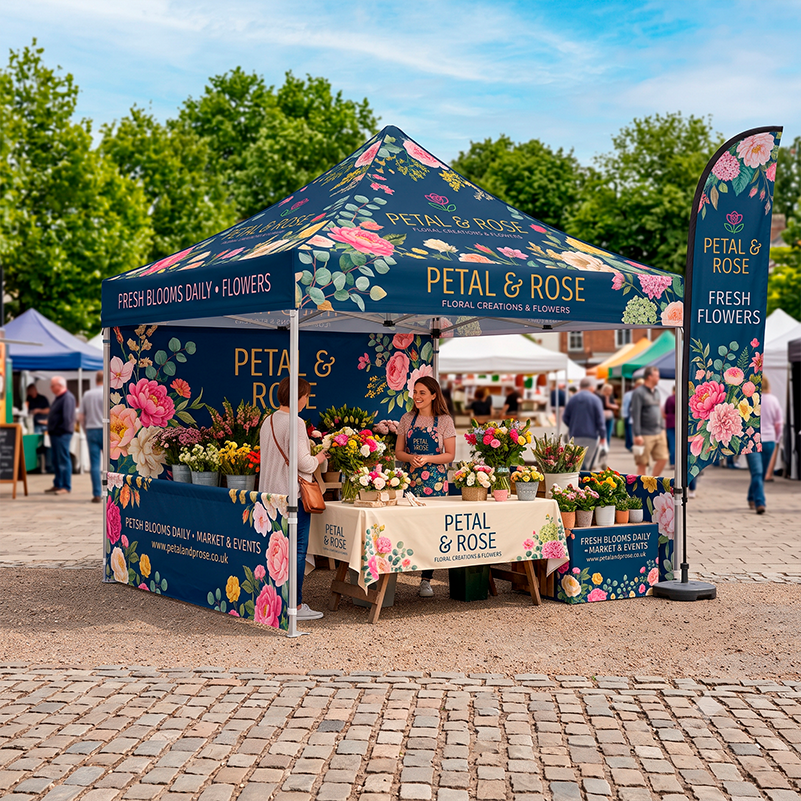
Every successful exhibition stand relies on a clear, three-part print strategy. You need large-format displays to pull people in from across the aisle, medium-format graphics to communicate your primary services, and tactile leave-behinds that ensure your brand is remembered long after the venue doors close.
-
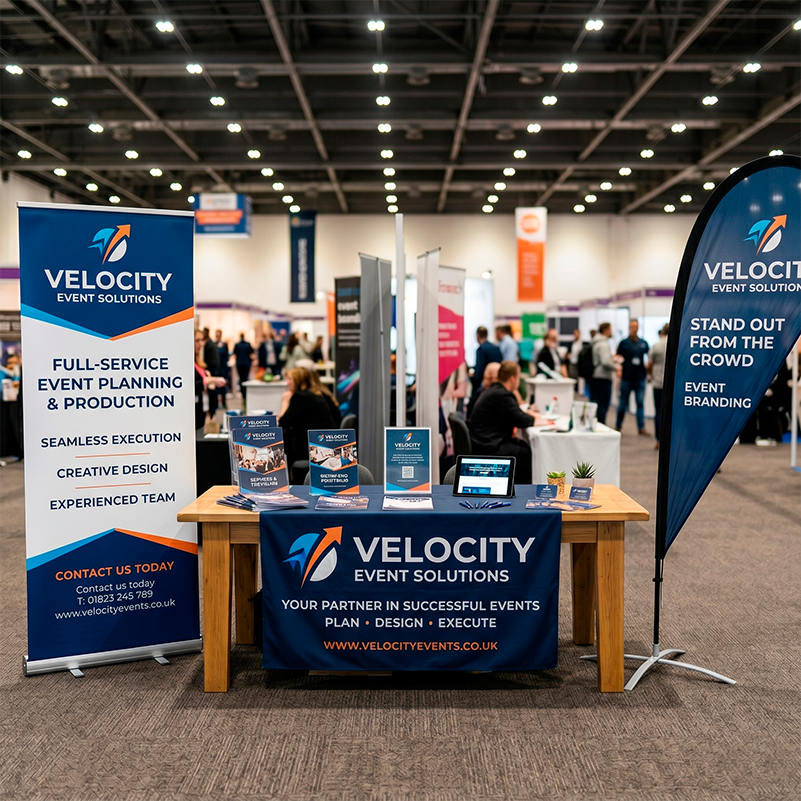
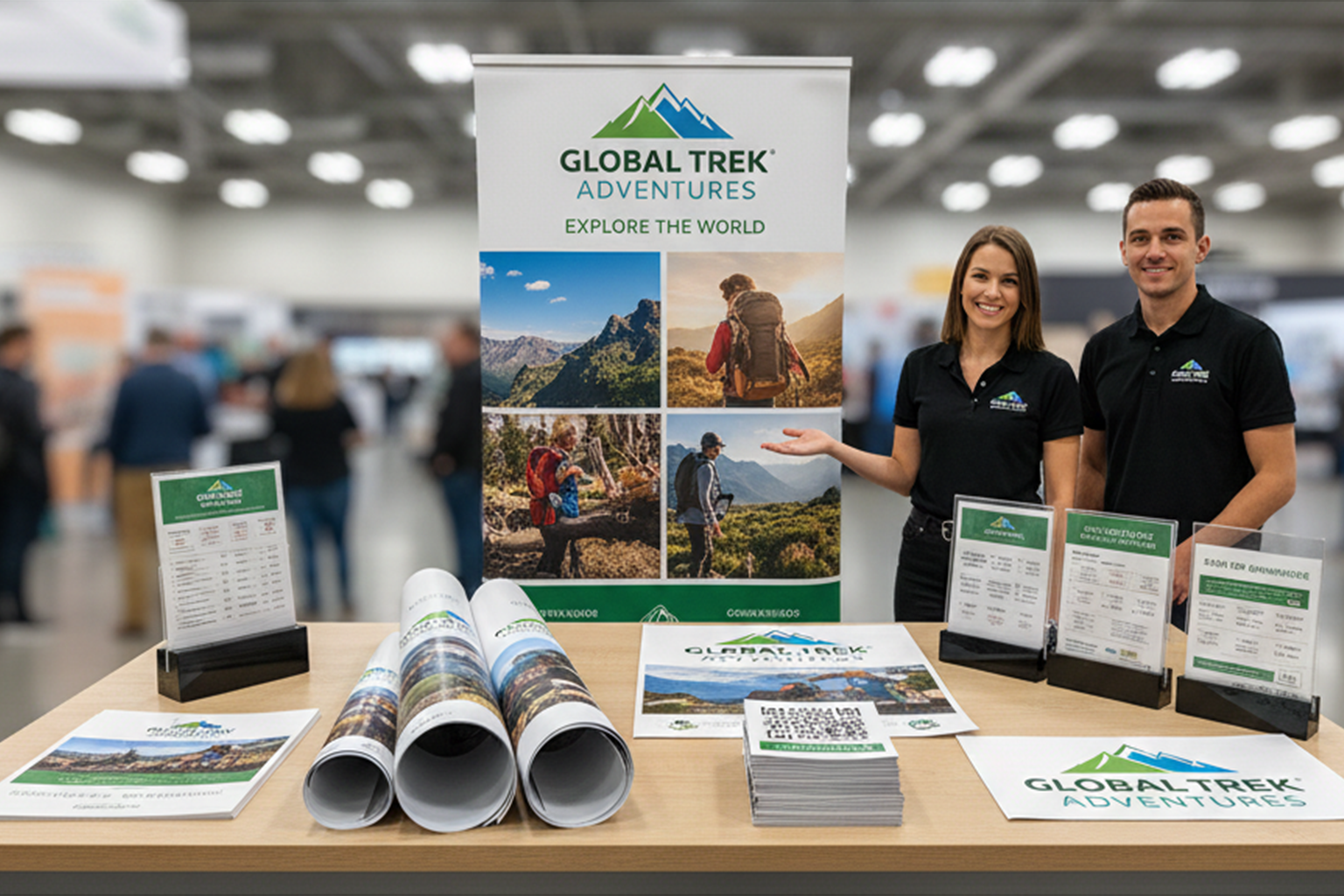
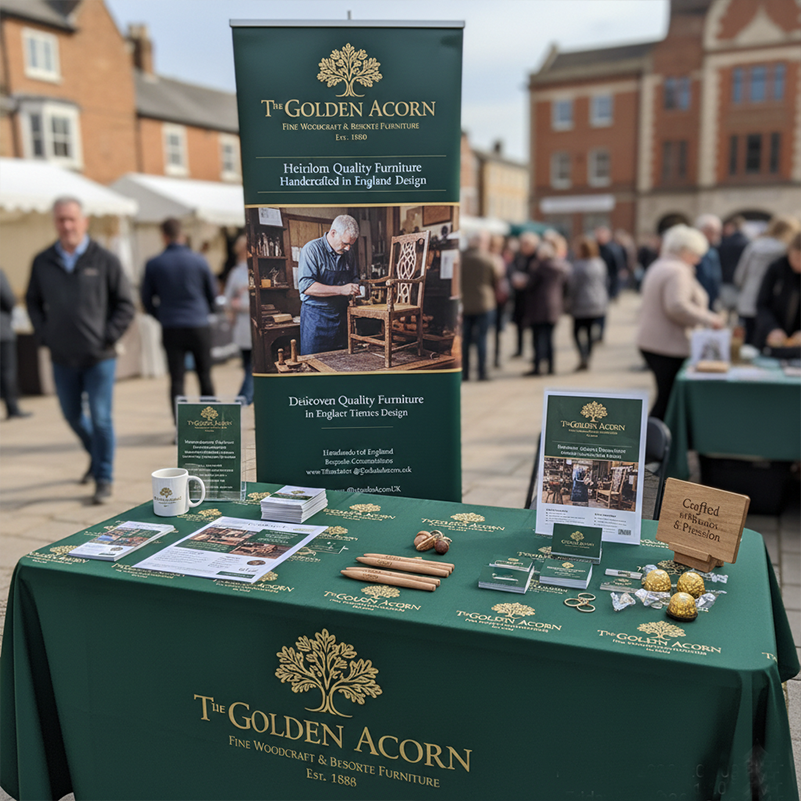
Roller Banners & Pop-Up Display Stands: Your primary visual hook. Keep key headlines high, typography bold, and logos at eye level where they won't be hidden by tables or foot traffic.
-
Corporate Brochures & Presentation Folders: Premium leave-behinds for high-value prospects. A substantial, beautifully bound brochure gives serious buyers something physical to review during their commute home.
-
Flyers & Quick-Reference Cards: Concise, single-sheet summaries highlighting specific services, case studies, or event-exclusive promotions with clear contact details.
Design Principles That Cut Through Venue Clutter
Exhibition halls are visually chaotic environments filled with bright lighting, loud audio, and heavy foot traffic. The biggest mistake exhibitors make is trying to squeeze an entire website's worth of text onto a single display banner.
Working with an experienced graphic designer near me ensures your artwork is engineered specifically for large-format impact. A professional designer understands scale, viewing distances, and visual hierarchy. They use high-resolution graphics, crisp vector typography, and brand-aligned colours to ensure your stand looks established and intentional. For companies attending regional expos, partnering with a local Aberdeen graphic design studio offers the added advantage of working face-to-face to refine your message for local industry leaders.
I remember helping a regional subsea technology provider gear up for a major Autumn energy expo at P&J Live. The previous year, they had turned up with cheap, pull-up banners that bowed under the hall lights and a pile of thin, flimsy single-sheet leaflets. They struggled to get footfall. We overhauled their event presence, replacing the budget pull-ups with seamless pop-up exhibition displays matte-laminated for zero glare, paired with heavy 300gsm square-bound corporate brochures. Their sales manager told us afterwards that delegates were walking past competitor stands specifically to pick up their brochures because the stand looked like an industry titan. They doubled their qualified leads at that single three-day event.
Print Quality, Durability, and Anti-Glare Finishes
Large-format print requires technical precision. Unlike small digital screens, wide-format exhibition displays immediately reveal low-resolution images or poor colour calibration.
When planning your exhibition stand printing, pay close attention to venue lighting and material specs:
-
Anti-Glare Lamination: Harsh overhead LED lighting in exhibition halls can make glossy banners unreadable. A matt or satin protective laminate eliminates reflections so your graphics stay crisp from any angle.
-
High-Grade Banner Media: Budget banner materials tend to curl at the edges over time (known as 'cupping'). Opt for premium grey-back banner media that lies completely flat and blocks background light.
-
Paper Stock Weight for Handouts: A thin 130gsm flyer feels disposable, but a heavy 250gsm uncoated booklet feels like a publication worth saving.
Plan Ahead for Peak Event Season
The Autumn exhibition boom means print production schedules across the UK fill up rapidly. Leaving artwork preparation to the last minute risks costly rush fees, limited finishing options, and unnecessary stress. Starting your event design process early gives you time to review physical proofs, test your display assembly in the office, and arrive at the venue ready to win new business.
FREQUENTLY ASKED QUESTIONS (FAQ)
Q1: What is the most effective print item for attracting visitors to an exhibition stand?
A combination of a high-impact pop-up display stand and well-positioned roller banners is the most effective tool. They act as visual signposts that convey your core offer within seconds, drawing attendees off the main aisle and onto your stand.
Q2: How far in advance should I order my exhibition stand printing for Autumn events?
You should ideally begin artwork design 4 to 6 weeks before your event date. This allows sufficient time for design revisions, high-resolution proofing, production of large-format materials, and a test setup prior to shipping to the venue.
Q3: Why should I work with an Aberdeen graphic design specialist for event materials?
A local design specialist can work directly with you to ensure your branding, messaging, and layout suit the exact dimensions of your stand. They understand large-format print specifications, bleed settings, and colour profiles, preventing costly misprints or blurry graphics.
Q4: What paper finish is best for corporate brochure design at trade shows?
Uncoated or matt-laminated paper finishes are best for trade show brochures. They offer a modern, tactile feel, eliminate harsh light reflection under exhibition spotlights, and allow recipients to easily write notes directly on the pages.
Q5: How can I prevent my roller banners from curling at the edges?
Always request anti-curl or grey-back banner media from your printer. Low-cost pvc banners tend to pull inward at the edges under tension, whereas premium rigid media stays completely flat and blocks light from showing through from behind the stand.
Posted by By Jenny on 30th Sep 2026