

Your school's open day is the one morning where a prospective parent decides whether your corridors feel like the right place for their child. A well-planned flyer gets that parent through the gate in the first place. Without it, your carefully prepared tours, taster lessons, and welcome speeches reach a smaller audience than they should.
This guide covers every stage of planning, printing, and distributing school open day flyers for UK admissions campaigns. From choosing the right paper stock to mapping out your local distribution route, you will find practical steps that work for primary schools, secondary academies, and independent schools alike.
I have worked with schools across Scotland and the rest of the UK on admissions print, and the difference between a flyer that reaches the kitchen counter and one that reaches the recycling bin almost always comes down to preparation. Let me walk you through what works.
Key Takeaways: School Open Day Flyers for UK Admissions
- A5 flyers on 170gsm silk stock give you enough space and weight to hold a parent's attention without feeling bulky.
- Lead with your open day date, one strong photograph, and a single call to action to keep the message focused.
- Plan your distribution around the feeder nurseries, community venues, and local businesses parents already visit each week.
- Wee Print delivers open day flyers across the UK within two working days, so tight school timelines stay on track.
- Track responses with a dedicated QR code or landing page to measure which drop locations bring families through the door.
Why Printed Flyers Still Matter for School Admissions
Parents of three and four-year-olds spend much of their week in physical spaces: nurseries, GP waiting rooms, libraries, soft-play centres, and local shops. A printed flyer meets them where they already are, rather than competing with hundreds of emails and social notifications.
Print also carries a sense of permanence that digital messages often lack. A flyer pinned to a fridge or tucked into a nursery noticeboard stays visible for days or weeks, giving families repeated exposure to your date, your school name, and your brand.
According to JICMAIL's Q2 2025 data release, door drops remained in circulation for an average of six days and received around 60 seconds of attention per item. For a school with a tight catchment area, that kind of shelf life from a single A5 flyer is difficult to replicate online.
What Size and Stock Should You Choose for Open Day Flyers?
The size of your flyer should match how it will reach parents. A5 (148 x 210 mm) is the workhorse for school admissions print. It fits neatly into book bags, slips through letterboxes without folding, and offers enough room for a photograph, headline, key details, and a QR code.
If you need something more compact for handing out at nursery gates or slipping into welcome packs, A6 (105 x 148 mm) works as a postcard-style reminder. DL (99 x 210 mm) is a useful alternative when you want a slim flyer that tucks into a standard envelope for addressed mail.
Choosing the Right Paper Weight
170gsm silk: A reliable middle ground for most door drops and handouts. It feels substantial in the hand without adding unnecessary cost to a large print run.
250gsm silk: A heavier option if your flyer doubles as a keepsake or invitation. This weight holds its shape on a noticeboard and conveys a more considered impression.
130gsm uncoated: Easier to write on, which can be practical if your flyer includes a tear-off RSVP section or a space for parents to note appointment times.
Wee Print produces flyers and leaflets across all of these weights, with full-colour printing and artwork checks included. If you are unsure which stock suits your run, our team can talk you through the options before you commit.
How to Plan Your Open Day Flyer Content
A school open day flyer has a single job: get families to visit your school on a specific date. Every element on the page should support that objective.
What to Include on the Front
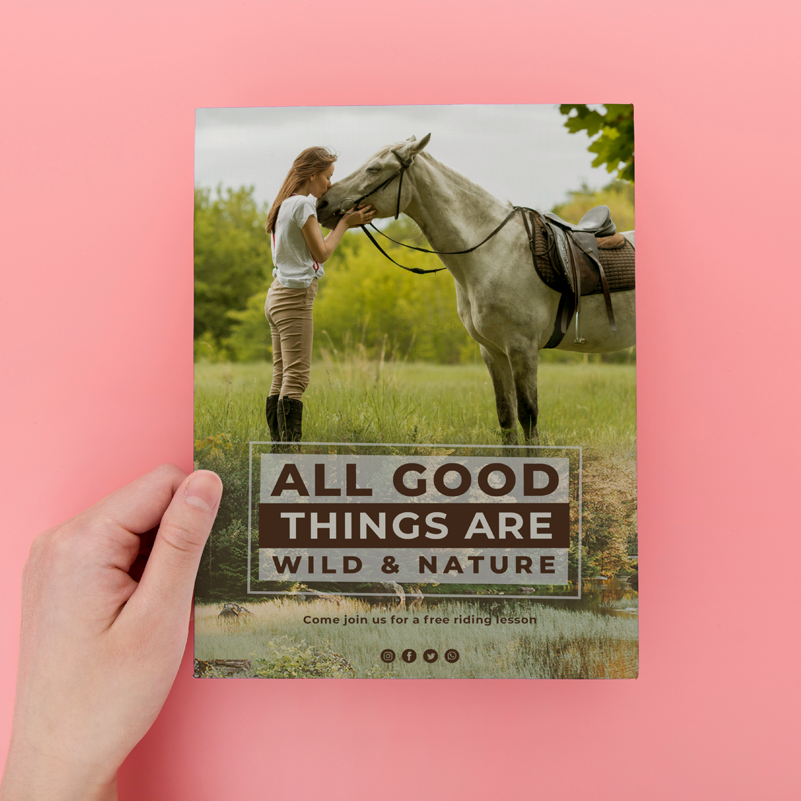
One large photograph: Real children, in your school, looking engaged. Avoid generic stock imagery. Parents respond to faces and settings that feel genuine. The photograph should take up at least half the front panel.
School name and crest: Position your name prominently at the top so the flyer is immediately identifiable. Consistent use of your school colours and crest builds recognition across your wider admissions materials.
Open day date and time: This is the single most important piece of information. Make the date impossible to miss by setting it in a bold, contrasting typeface at a size that reads clearly from arm's length.
One clear call to action: Tell the reader exactly what to do next. "Scan the QR code to book your place" or "Call the school office on [number] to register" both work. Avoid listing four different contact methods at equal size.
What to Include on the Reverse
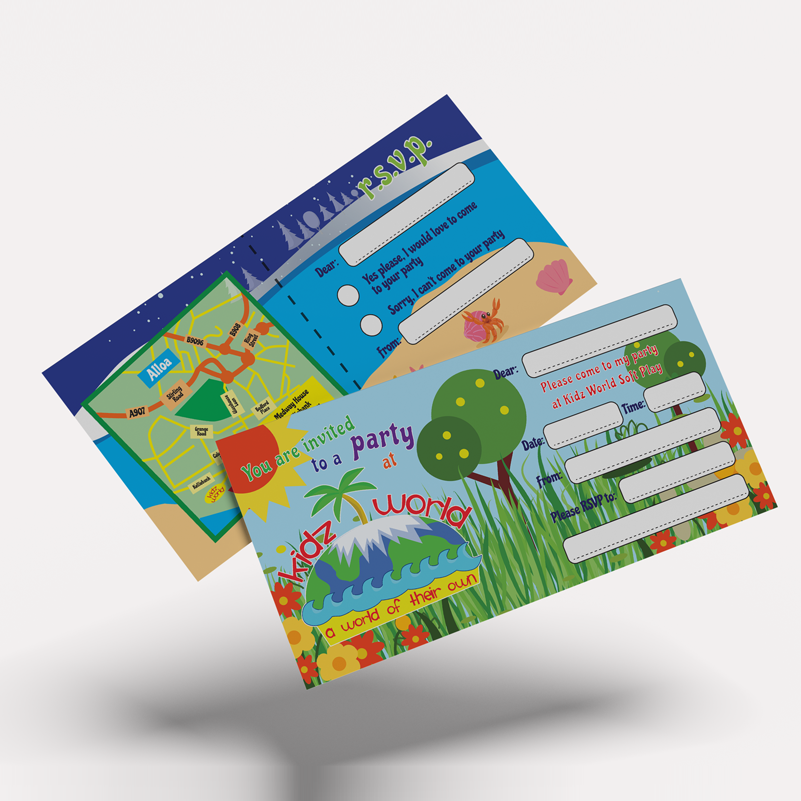
A short summary of what visitors will experience: Two or three bullet points covering tours, taster sessions, meetings with the head teacher, and anything else that makes your event distinctive.
Address and directions: Include a postcode for satnav and a note about parking if your site has limited spaces or specific drop-off instructions.
Your website URL: Keep it short and direct, pointing to a dedicated open day landing page rather than your general homepage. This page can carry the full programme, testimonials, and your booking form.
Setting Up Press-Ready Artwork for School Flyers
Getting your file ready for print is straightforward once you understand three terms: bleed, trim, and safe area. These are the technical safety nets that keep your finished flyer looking sharp and professional.
Bleed, Trim, and Safe Area Explained
Bleed (3mm): Extend your background colour or image 3mm beyond the final edge of the flyer on all sides. This prevents thin white lines appearing if the cut shifts by a fraction during trimming.
Trim line: The final finished edge of your flyer, matching the size you ordered. This is where the guillotine falls.
Safe area (4mm inside the trim): Keep all text, logos, and critical content at least 4mm inside the trim line. Anything closer to the edge risks being clipped.
For an A5 flyer, that means your artwork file should measure 154 x 216 mm (the A5 dimensions plus 3mm bleed on every side). Wee Print provides downloadable templates with bleed guides already set, which saves you building the margins from scratch.
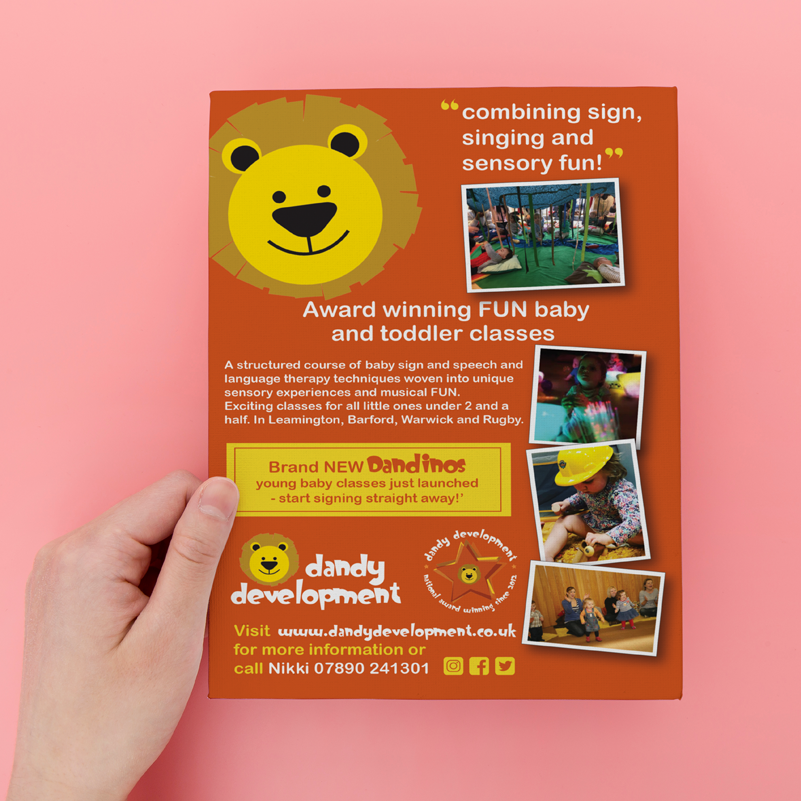
Resolution and Colour Mode
Set your images to 300 DPI (dots per inch) at the final print size. A photograph pulled from your school website at 72 DPI will print soft and pixelated, undermining the professional impression you need.
Design in CMYK colour mode from the start. Screens display colour using RGB, but printing presses use CMYK inks. Converting from RGB to CMYK at the last stage can shift your school colours noticeably, particularly blues and greens. If you are working with your school's brand palette, check that your hex or Pantone values have been translated into CMYK accurately.
Save the final file as a high-resolution PDF with fonts embedded. This locks your layout and prevents text reflow or font substitution when the file reaches the press.
How to Distribute Open Day Flyers Effectively
Printing is only half the task. Distribution determines whether your flyers reach the parents who are actively choosing a school, or end up in a stack on the office shelf.
Mapping Your Catchment Area
Start with the feeder nurseries, pre-schools, and childminders within your typical intake radius. These are the places where parents of your target age group spend time every single week. Walk into each nursery with a small stack of flyers and introduce yourself. The personal visit matters as much as the paper.
Then map the community touchpoints: libraries, GP surgeries, children's centres, leisure centres, places of worship, and independent shops with community noticeboards. A flyer pinned to the board at a busy soft-play centre can be seen by dozens of local families every day.
Timing Your Distribution
Send out an initial round of flyers four to six weeks before your open day. This gives families enough notice to plan a visit without so much lead time that the date slips from memory.
Follow up with a second, smaller reminder drop one week before the event. A reminder card in A6 format, referencing the same design and colour scheme, reinforces your message and catches anyone who missed the first round. This drip-effect approach is well-established in school marketing and consistently outperforms a single drop.
Other Distribution Channels
Book-bag drops: If you have links with feeder nurseries, ask whether you can include a flyer in the children's take-home bags. This puts your message directly into a parent's hands at the end of the day.
Door-to-door letterbox drops: For targeted coverage of streets within your catchment, a letterbox campaign reaches households that may not pass through your usual community venues. Check any local authority restrictions on leafleting in your area before distributing.
Partner organisations: Local businesses, estate agents, and community groups often have counter space or noticeboards. A coffee shop near a nursery is a natural placement for a school flyer.
Designing Flyers That Reflect Your School's Brand
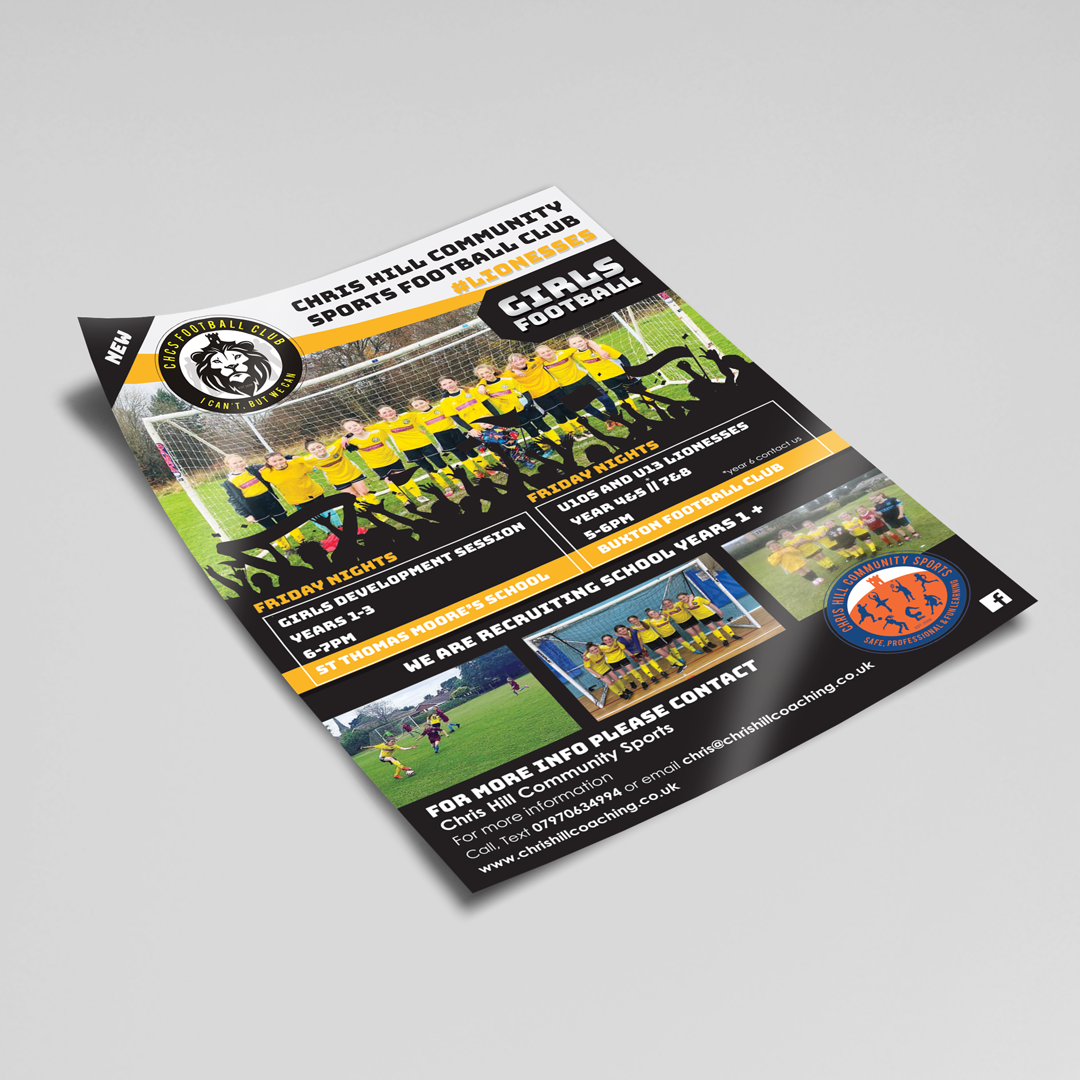
Your open day flyer is often the first piece of print a prospective family sees from your school. It sets expectations about the professionalism and personality of the institution before anyone steps through the gate.
Consistency is key. Use the same colour palette, typefaces, and logo placement that appear on your school website, prospectus, and signage. If your prospectus leads with warm photography and a particular shade of navy, your flyer should echo that identity rather than introducing a completely different look.
Wee Print's graphic design team can work with your existing school branding to produce a layout that sits naturally alongside your other admissions materials. If you do not yet have a set brand style, our in-house designers can build one from your logo, colours, and photography.
Typography Tips for School Flyers
Limit your design to two typefaces: one for headings and one for body text. A bold, clear sans-serif headline paired with a legible serif or sans-serif body font keeps the layout professional and easy to scan.
Make sure the date and call to action are readable from at least arm's length. If a parent has to squint to read the open day time, the flyer is not doing its job.
Combining Flyers with Other School Print Materials
A flyer on its own raises awareness. A coordinated print campaign converts that awareness into bookings and builds trust before families even arrive at your school.
Roller Banners for the School Entrance
A branded roller banner at the school gate or in your reception area creates a visible welcome point on the day of the event. It reinforces the same visual identity that your flyers introduced and signals that the school is well-organised and prepared.
Booklets and Prospectuses for the Event Itself
Once a family arrives, a printed booklet or prospectus gives them something tangible to take home. This is where you can share the full story: curriculum details, extracurricular activities, exam results, pastoral care, and quotes from current parents. A 12 to 16-page saddle-stitched booklet on 170gsm silk provides a durable, professional keepsake.
Posters and Signage for Wayfinding
On the day, clear signage and posters guide families from the car park to the registration desk, through classrooms, and into the hall. Branded wayfinding reduces confusion and keeps the event feeling structured and welcoming.
Presentation Folders for Document Packs
If your open day includes a take-home pack with application forms, fee schedules, and programme details, a branded presentation folder keeps everything organised. Parents associate a well-presented folder with a well-run school.

How to Track Whether Your Flyer Campaign Worked
Without a tracking mechanism, your flyer campaign is a guess. You will know you printed 2,000 flyers, but you will not know whether they contributed to a single open day booking.
Dedicated QR Codes
Place a unique QR code on the flyer that directs parents to a dedicated open day booking page. Every scan is trackable, giving you a clear count of how many families engaged with the printed material. Free QR code generators let you create a unique code in minutes and link it to any URL.
Campaign-Specific Landing Pages
Set up a short, memorable URL (for example, yourschool.co.uk/openday) that you only use on your printed flyers. Your website analytics will show exactly how many visitors arrived through that route, how long they stayed, and whether they completed a booking form.
Simple "How Did You Hear About Us?" Forms
On the day of the event, ask every family at registration how they found out about the open day. Include "printed flyer" as an option. This low-tech approach captures data from parents who may have seen the flyer but typed your main URL rather than scanning the code.

Common Mistakes to Avoid with School Open Day Flyers
After years of working on school admissions print, I see the same issues come up regularly. Avoiding these will put your campaign ahead of most.
Overcrowding the layout: Trying to fit your entire prospectus onto an A5 flyer results in text that is too small to read and an image that is too small to recognise. A flyer is an invitation, not a brochure. Keep it focused on the date, one photograph, and one action.
Using low-resolution images: A photograph that looks acceptable on screen at 72 DPI will print as a blurred, pixelated square. Always use images at 300 DPI at the final print size.
Ordering too late: Schools often finalise their open day date and then leave the print order until the last week. Build at least two weeks of lead time into your plan: one week for design and approval, and one week for print and delivery. Wee Print's 2-working-day UK delivery helps with tight turnarounds, but approvals and design revisions need their own buffer.
Skipping the proofread: A wrong date, a misspelled head teacher's name, or an outdated phone number on 2,000 flyers is an expensive error. Have at least two people who were not involved in the design check every detail before you approve the print run.
No tracking at all: If you cannot attribute a single booking to your flyer, you cannot make an informed decision about whether to repeat the campaign next year. Even a simple QR code gives you something to measure.
A Practical Timeline for Your Open Day Flyer Campaign
Working backwards from your open day date keeps the project on track and avoids last-minute rushes. Here is a practical schedule that allows time for design, print, and two rounds of distribution.
Eight weeks before the event: Finalise the open day date, programme, and booking method. Brief your designer or begin the layout yourself.
Six weeks before: Approve the final artwork and submit it for printing. If you are using Wee Print's design service, allow a round of revisions within this window.
Five weeks before: Receive your printed flyers and begin your first distribution round. Prioritise feeder nurseries, childminders, and high-traffic community venues.
One week before: Send out a second reminder drop in A6 format or distribute through book bags. Update your social media channels with the same design for consistency.
On the day: Display your roller banners and branded stationery at the registration desk. Hand out prospectus booklets and presentation folders to every visiting family.
One week after: Review your QR code scans, landing page visits, and registration data. Record which distribution points generated the strongest response so you can refine your approach for next year.

How Wee Print Supports UK Schools with Admissions Print
Wee Print works with schools across Scotland and the wider UK on open day print materials. From a run of 500 A5 flyers to a full admissions package including booklets, roller banners, posters, and branded folders, our print and design studio handles the production from artwork to dispatch.
Our in-house design service means you do not need to arrive with finished artwork. Send us your logo, school colours, photographs, and event details, and we will build a press-ready layout for your approval. Artwork checks are included with every order, catching common file issues before they reach the press.
With 2-working-day UK delivery as standard and the option to order online through our web-to-print platform, your open day print can move from briefing to delivery within a week. Contact our team today to plan your upcoming admissions season.
FAQs About School Open Day Flyers
What is the most popular flyer size for UK school open days?
A5 (148 x 210 mm) is the most widely used size for school open day flyers. It provides enough space for a photograph, headline, date, and call to action while remaining easy to hand out at nursery gates or include in book bags.
What paper weight works for school admissions flyers?
170gsm silk is a reliable choice for most school admissions campaigns. It feels substantial enough to convey professionalism without significantly increasing your printing costs on larger runs. Wee Print offers this stock with full-colour printing and free UK delivery.
How far in advance should a school order open day flyers?
Allow at least six weeks before your open day. This gives you time for design, approval, printing, and two rounds of distribution. Wee Print's 2-working-day UK delivery keeps the production stage short, but design revisions and internal approvals need their own lead time.
Can Wee Print design a school open day flyer from scratch?
Yes. Wee Print's in-house design service can create a complete flyer layout from your school logo, colours, photography, and event details. You review the design before it goes to press, and artwork checks are included with every order.
How many flyers should a school print for an open day?
A practical starting point is 500 to 2,000 flyers, depending on the size of your catchment area and the number of feeder nurseries, community venues, and households you plan to reach. Ordering a slightly larger run often reduces the unit cost, so factor in a second reminder drop when calculating your quantity.
How do I track whether my school flyers generated bookings?
Use a dedicated QR code on the flyer that links to a campaign-specific booking page. Every scan is trackable through your QR code provider or website analytics. On the day, a simple "How did you hear about us?" question at registration captures responses from parents who did not scan the code.
Posted by By Jenny on 13th Nov 2026