
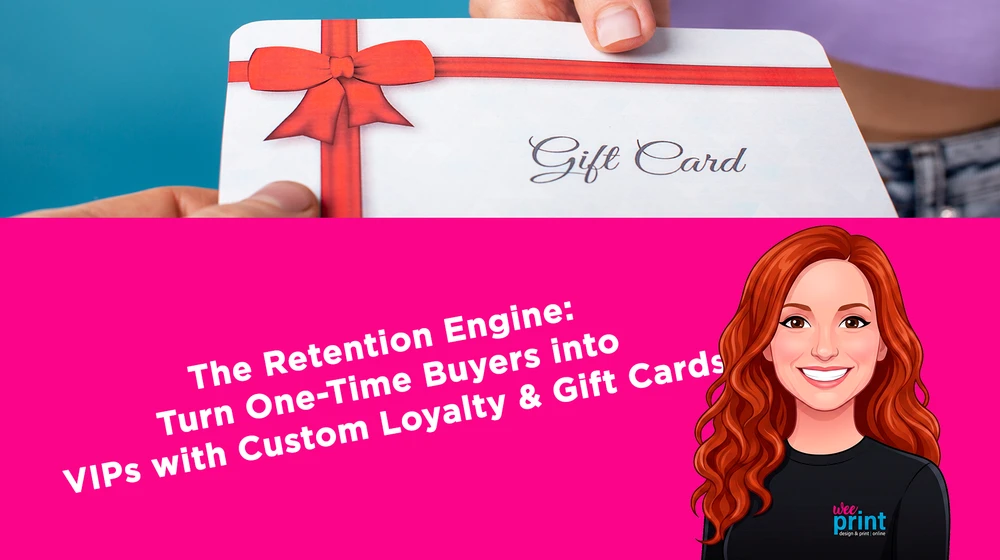
Acquiring a new customer online costs more today than ever before. With rising ad costs and saturated digital feeds, relying solely on first-time transactions is a fast path to shrinking margins. The real profit in e-commerce and local retail lies in repeat purchases and long-term customer lifetime value (LTV).
While email marketing and SMS alerts help keep your brand visible, digital messages are easily ignored, archived, or routed to spam folders. Physical retention tools—like custom loyalty card printing and high-end gift card inserts—give your customers a tangible reason to return. A physical card sitting on a desk or tucked into a wallet acts as a continuous visual reminder of your brand.
                    [ UNBOXING RETENTION FUNNEL ]
┌───────────────────────────────────────────────────────────────────┐
│  Customer Opens Order                                             │
│  └─► Encounters High-Weight Packaging Insert (400gsm)             │
│      └─► Scans Custom QR Code / Holds Tactile Gift Card           │
│          └─► Redeems VIP Offer Online ➔ Drives Repeat Order       │
└───────────────────────────────────────────────────────────────────┘
Turning Shipping Boxes into Repeat Sales Engines
The unboxing experience represents a captive moment when your customer is at peak excitement. Dropping a quick, uninspired discount code into an automated email hours later rarely capitalises on this momentum. Delivering a physical incentive directly inside the shipping box captures attention when engagement is highest.
A boutique online coffee brand used this approach when subscriber churn began to tick upward. Instead of sending digital win-back emails, they introduced a physical loyalty card printing campaign. Each subscription package included an uncoated 350gsm punch card along with a luxury 400gsm gift card print offering credit toward their next bag of beans. The tactile quality of the cards made them feel valuable rather than disposable. Subscriber retention climbed by 31% over three months, with over half of recipients redeeming their physical gift codes online.
Technical Rules for Practical, Writeable Cards
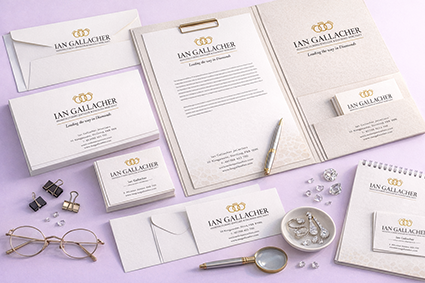
When designing functional cards intended for stamps, signatures, or handwritten notes, technical execution must support usability.
-
Avoid Gloss Finishes on Writeable Areas: Standard ballpoint pens, gel pens, and rubber ink stamps smudge on gloss-laminated or matte-coated surfaces.
-
Select Uncoated Stock for Usability: If your card requires handwritten discount codes, customer names, or stamp impressions, choose an uncoated print card paper.
-
Incorporate Scannable Tech: Integrate sharp, high-contrast QR codes into your print artwork (minimum 300dpi resolution, at least 2cm x 2cm in size) to connect physical cardholders directly to hidden landing pages or automated loyalty tracking apps.
Choosing the Right Functional Card Formats
Matching your physical card format to your specific campaign goals ensures optimal conversion rates:
-
Uncoated Pulp Stock (350gsm): Highly absorbent paper designed specifically for rubber stamps, handwritten thank-you messages, and appointment reminders.
-
Custom Die-Cut Cards: Unique shapes—such as rounded corners, arch shapes, or custom outlines—that make your card stand out inside packaging or inside a wallet.
-
Plastic PVC or Extra-Thick Laminate Cards: Ideal for premium VIP membership cards, stored-value gift cards, or long-term loyalty schemes requiring maximum wear resistance.
-
Multi-Panel Folded Cards: Provides extra surface area for printing terms, product usage instructions, or multi-step discount schedules without cluttering the front design.
Building a Integrated Customer Loyalty Ecosystem
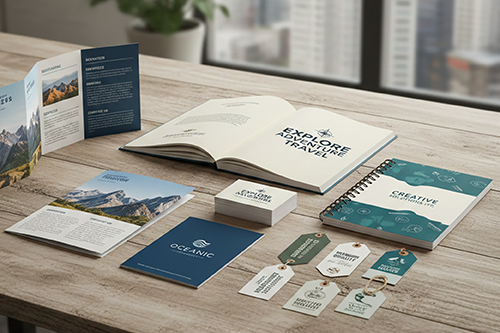
A successful physical retention strategy extends across every customer touchpoint. Combining multiple print assets helps create a unified brand experience both online and off.
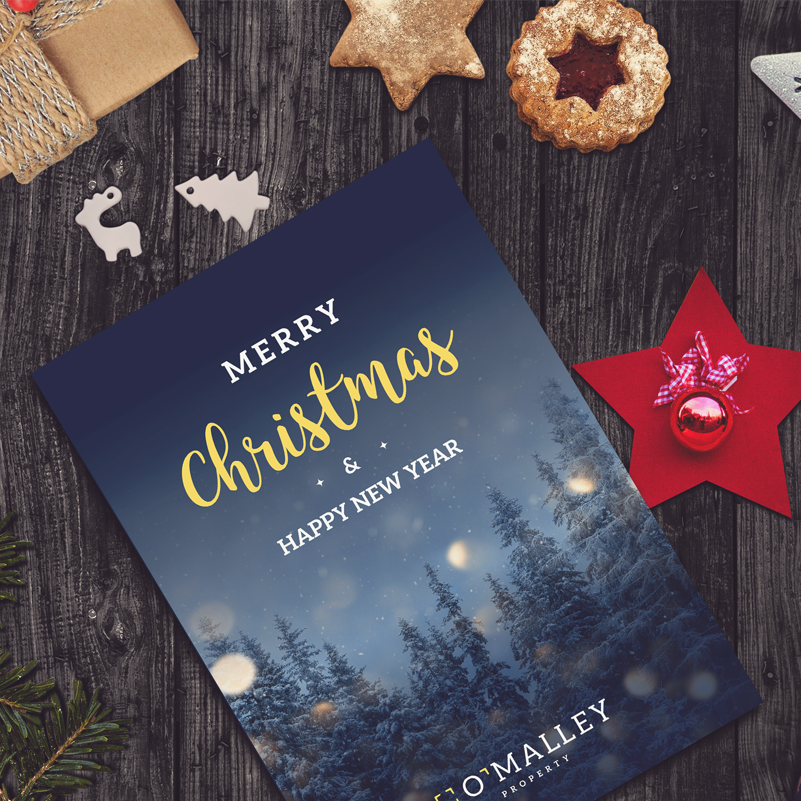
Order combined loyalty card and flyer printing bundles to maintain consistent paper weights and colour matching across all fulfillment inserts. Include branded greeting card printing for holiday thank-you gifts, create custom place card prints for VIP customer appreciation events, or use small poster card printing for counter displays in retail stores. Giving your audience tangible, high-quality collateral reinforces your brand identity and keeps customers coming back.
FREQUENTLY ASKED QUESTIONS (FAQ)
Q1: What paper stock is best if I want to use rubber stamps on loyalty cards?
Always choose an uncoated paper stock (300gsm – 350gsm) for loyalty punch cards. Uncoated paper absorbs stamp ink quickly without smudging, whereas coated or laminated stocks cause ink to smear upon contact.
Q2: How can I track conversions from physical gift card inserts back to my online shop?
Include unique single-use discount codes or dedicated QR codes on each gift card batch. Directing users to a custom landing page URL (e.g., [yourbrand.com/vip](https://yourbrand.com/vip)) allows you to track redemptions accurately inside Google Analytics or your e-commerce platform.
Q3: What is the recommended size for custom package insert cards?
The most popular packaging insert size is A6 (148mm x 105mm) or standard DL size (210mm x 99mm). These dimensions fit neatly into standard shipping boxes without bending while providing ample space for branding, product tips, and promotional offers.
Q4: Should I use rounded corners for business and loyalty cards?
Rounded corners (typically 3mm or 6mm radius) prevent card corners from bending or fraying when slid into wallets, purses, or tight packaging. They also give cards a soft, modern look.
Q5: What resolution should QR codes be for crisp card printing?
QR codes should be saved as high-resolution vector files (.EPS or .SVG) or high-density raster images (at least 300dpi at actual print size). Ensure high color contrast—such as dark ink on a light background—so smartphone cameras scan the code reliably.
Posted by By Jenny on 12th Oct 2026