

In an era dominated by automated email sequences, sponsored social posts, and algorithmic ad campaigns, digital fatigue is at an all-time high. Decision-makers receive hundreds of promotional emails every week, most of which are archived without a second glance. When every business is shouting through the same glass screens, the most effective way to stand out is to step out of the screen altogether.
As a graphic designer and commercial printer who has spent decades working alongside brands of every size, I have watched marketing trends cycle through countless buzzwords. Yet, one fundamental truth remains unchanged: tangible, physical items establish human connections that digital channels simply cannot replicate.
A couple of years ago, a B2B software consultancy came to my print shop in a total rut. They had poured thousands of pounds into sponsored LinkedIn messages and cold email sequences to win enterprise accounts, yielding an abysmal response rate below 1%. We decided to scrap the cold emails for their top fifty target accounts and replace them with high-end, tactile onboarding kits. Each box contained a hardback notebook with the recipient’s initials subtly debossed on the cover, accompanied by a handwritten welcome card sealed in a branded envelope. Within three weeks, forty-two of those fifty prospects responded, resulting in eight closed deals. The marketing director admitted to me that the tangible parcel did more heavy lifting in a fortnight than their automated sequences had managed across two quarters.
Tangible marketing bridges the gap between passive viewing and active engagement. When someone holds a physical item, their brain processes the interaction through haptic perception, creating a cognitive footprint that digital pixels fail to leave.

The Core Product Lineup: Turning Practical Objects into Brand Assets
Selecting promotional merchandise is not about buying cheap novelties in bulk; it is about choosing everyday utility and premium presentation. When an item integrates naturally into your client's routine or creates a memorable sensory experience, your brand earns a permanent position in their workspace.
1. Desk Real Estate: Custom Mugs and Personalised Notebooks
The most valuable advertising space in the commercial world is not a billboard on the motorway—it is the fifty square centimetres of desk space right next to your client's keyboard.
-
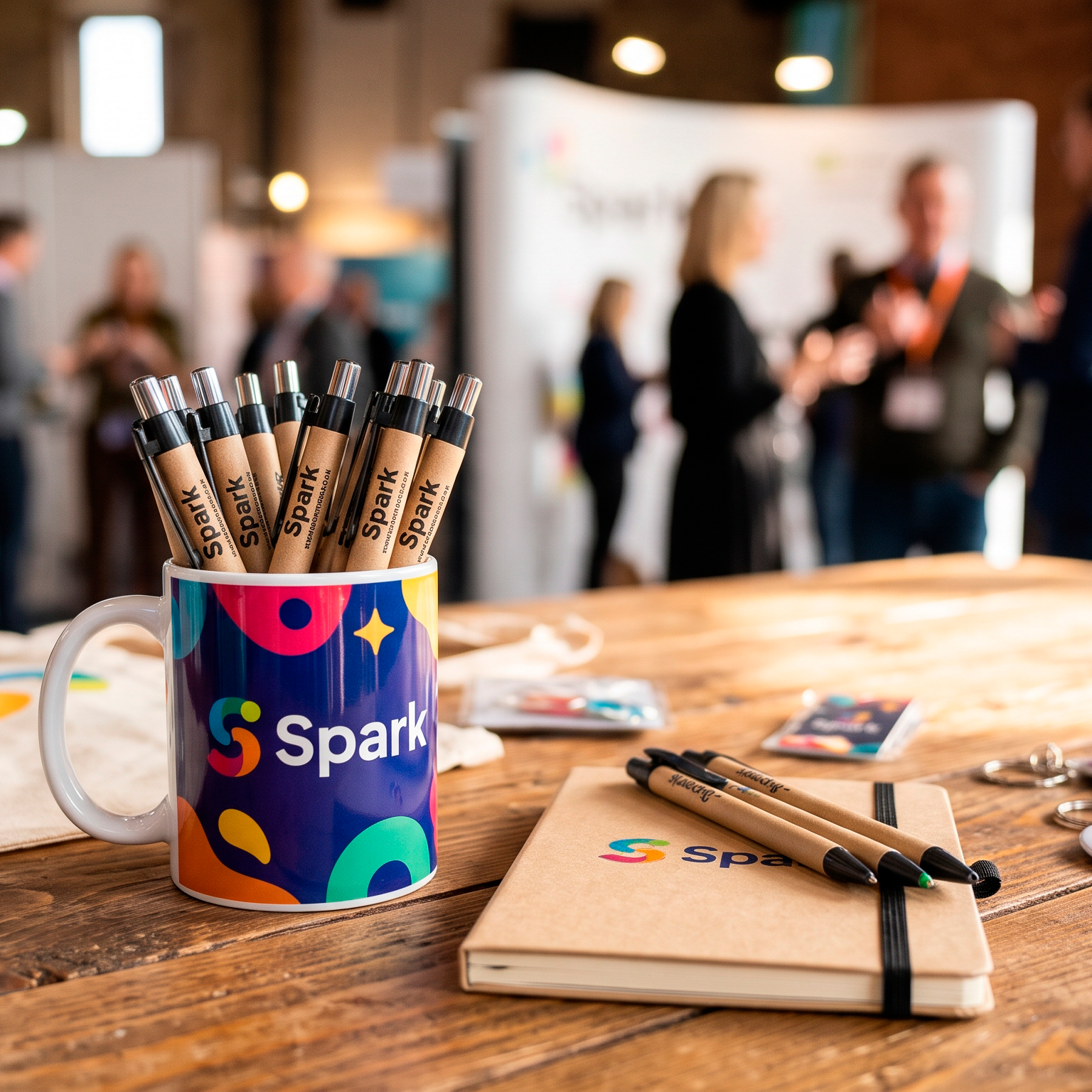
Custom Mugs: A well-crafted ceramic mug is one of the most cost-effective promotional tools ever conceived. It does not get thrown into a drawer; it goes straight to the office kitchen, gets filled with tea or coffee, and sits beside your client through meetings, deadlines, and morning catch-ups. To ensure longevity, focus on ergonomic design, dishwasher-safe finishes, and tasteful artwork rather than a massive, garish sales pitch.
-
Personalised Notebooks: Whether for client discovery sessions, creative planning, or daily to-do lists, premium notebooks remain indispensable in business environments. Opting for quality paper weights, ribbon markers, and tactile covers turns corporate stationery into a keepsake. When a notebook feels luxurious to write in, your brand is associated with focus, clarity, and professionalism every single working day.
2. High-Impact Gestures: Personalised Chocolate
Sometimes, the quickest route to building goodwill is sensory indulgence. High-grade personalised chocolate serves as a brilliant icebreaker for corporate gifting, seasonal appreciation, and event hospitality.
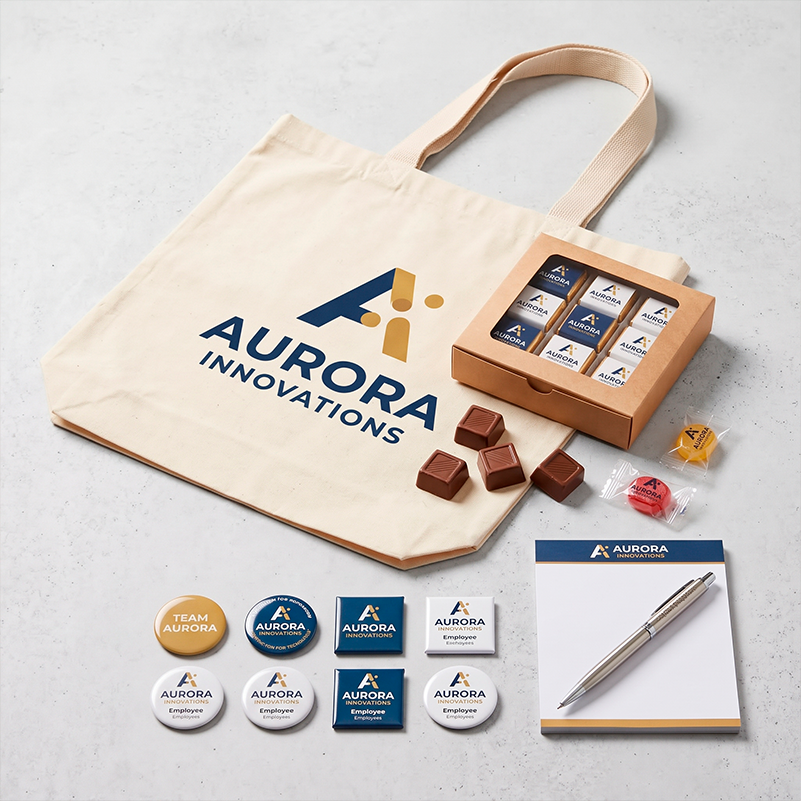
Rather than sending a generic hamper, custom-branded artisan confectionery shows genuine forethought. Beautifully printed outer packaging, metallic foil wrappers, and even chocolate bars cast with your brand iconography make a distinct statement. It delivers immediate gratification, sparking positive emotional associations with your company before a sales conversation even begins.
3. Interactive Event Marketing: Cardboard Cutouts and Personalised Selfie Frames
Trade shows, corporate conferences, and product launches are notorious for blending into a sea of dull pull-up banners. If your live marketing feels static, your foot traffic will reflect it.
-
Cardboard Cutouts: From life-size representations of brand ambassadors to playful mascots or custom trade show displays, high-density cutouts instantly draw eyes across a crowded exhibition hall. They introduce personality, encourage visitors to stop, and make an intimidating corporate booth instantly approachable.
-
Personalised Selfie Frames: Word-of-mouth marketing thrives on social proof. Lightweight, rigid foam-board selfie frames customised with event hashtags, company branding, and engaging copy encourage attendees to snap photos and share them across LinkedIn, Instagram, and X. This turns every visitor into an organic brand advocate, broadcasting your presence to their professional networks at zero incremental cost.
At an industry expo last spring, our neighbouring stand had invested in an enormous, hyper-expensive video wall that visitors walked past without a second glance. On our counter, we placed a set of custom-printed selfie frames alongside two humorous life-sized cutouts representing typical industry pain points. Attendees queued up to take photos with their colleagues, tag the event, and post the pictures online. By midday, our client’s social impressions had completely eclipsed every other exhibitor in the hall, all because we prioritised physical interaction over passive screen display.
4. Seamless Cohesion: Custom Labels and Envelope Printing
Branding does not stop at the core giveaway; it lives in the details of your packaging and correspondence.
-
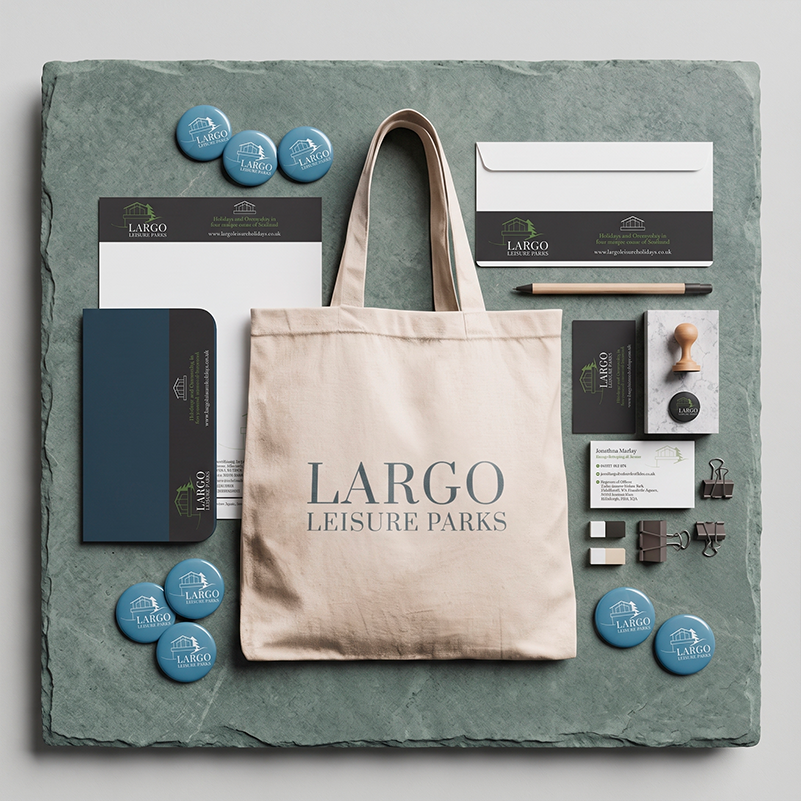
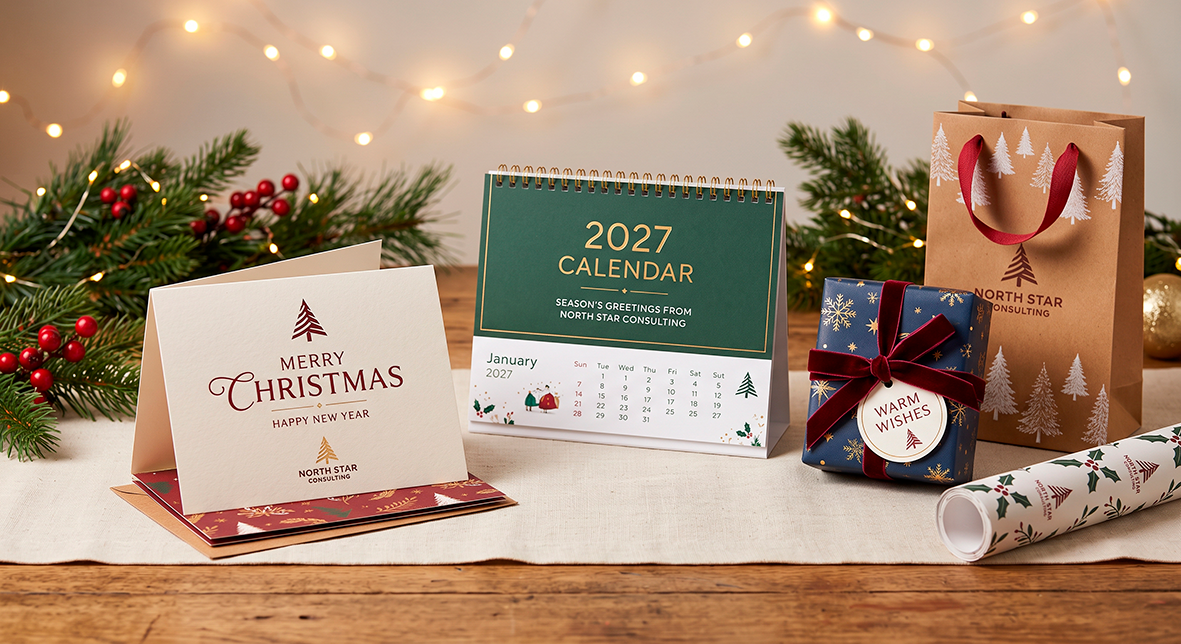
Custom Labels: Whether sealing tissue paper inside a gift box, labelling corporate samples, or branding outgoing parcels, bespoke labels provide a bespoke polish to standard materials. High-grade vinyls, textured uncoated papers, and foil-stamped accents transform basic postal boxes into an executive unboxing experience.
-
Envelope Printing: In direct mail, the battle is won or lost before the recipient even sees your letter. A standard, plain brown or white envelope looks like a bill or an uninvited cold circular. Professionally printed envelopes sporting crisp typography, corporate colour palettes, and return addresses convey authority, dramatically increasing open rates.
Strategic Implementation: How to Maximise Return on Investment (ROI)
To ensure your promotional print campaigns deliver measurable commercial returns, approach them with the same strategic discipline you would apply to digital performance marketing:
-
Prioritise Quality Over Quantity: It is far better to distribute 100 exceptionally made gifts that prospects keep for two years than 2,000 flimsy giveaways that end up in the bin before lunch. Poor print quality signals poor service quality.
-
Align the Item with the Audience: A technical director might value an executive aluminium pen or a hardbound project notebook, while event attendees will respond to interactive selfie props or artisan sweets. Match the medium to the context.
-
Integrate with Digital Touchpoints: Physical gifts work best as part of an omnichannel strategy. Add scannable QR codes subtly to notebook inserts, mug bases, or parcel labels to seamlessly route offline prospects into bespoke landing pages, video messages, or booking calendars.
FREQUENTLY ASKED QUESTIONS (FAQ)
Q1: What are the best printed promotional gifts for B2B client retention?
The most effective printed gifts for business retention are items that provide ongoing, everyday utility or a memorable personal touch. Personalised notebooks, custom mugs, and executive desktop accessories remain top performers because they sit in the client's direct workspace for months or years. Complementing these with premium consumable items, such as personalised chocolate, adds a warm, memorable gesture that reinforces professional relationships.
Q2: How do custom promotional items improve event engagement and social media reach?
Interactive print assets like personalised selfie frames and high-resolution cardboard cutouts encourage spontaneous user-generated content (UGC). When event delegates, clients, or employees pose with branded props and post the photos to platforms like LinkedIn or Instagram, your brand gains organic visibility across authentic peer networks, extending your reach far beyond the physical room.
Q3: Why should businesses invest in professional envelope printing and custom labels?
Custom labels and professionally printed envelopes establish credibility and authority before a piece of correspondence is even opened. In direct mail marketing, unbranded or generic packaging often results in mail being discarded as junk. Cohesive print detailing elevates the perceived value of your company, increases open rates, and ensures a consistent visual brand identity across all customer touchpoints.
Q4: Are physical promotional gifts still cost-effective compared to digital marketing?
Yes. While digital advertising costs per click continue to rise, digital impressions are ephemeral and easily forgotten. A high-quality printed promotional gift incurs a one-time production cost but delivers hundreds of passive impressions over its lifespan. The resulting brand recall, perceived goodwill, and conversion rates often yield a significantly higher long-term return on investment (ROI) than recurring digital ad spend.
Q5: What file formats and design specifications are required for commercial merchandise printing?
For crisp commercial print results, vector artwork created in programs like Adobe Illustrator is preferred, supplied as print-ready PDFs with fonts converted to outlines. Files should be set to CMYK colour mode (or specified Pantone spot colours) rather than RGB, with all embedded raster images saved at a minimum resolution of 300 DPI at full print size, complete with standard 3mm bleed margins.
Posted by By Jenny on 11th Nov 2026