
As an online business, you probably spend most of your waking hours thinking about pixels, conversion rates, and SEO rankings. But what happens when you step away from the screen? Whether you are attending an industry trade show, shipping out a physical order, or meeting a high-value collaborator over coffee, your digital presence needs a physical handshake. That is where premium card printing comes into play.
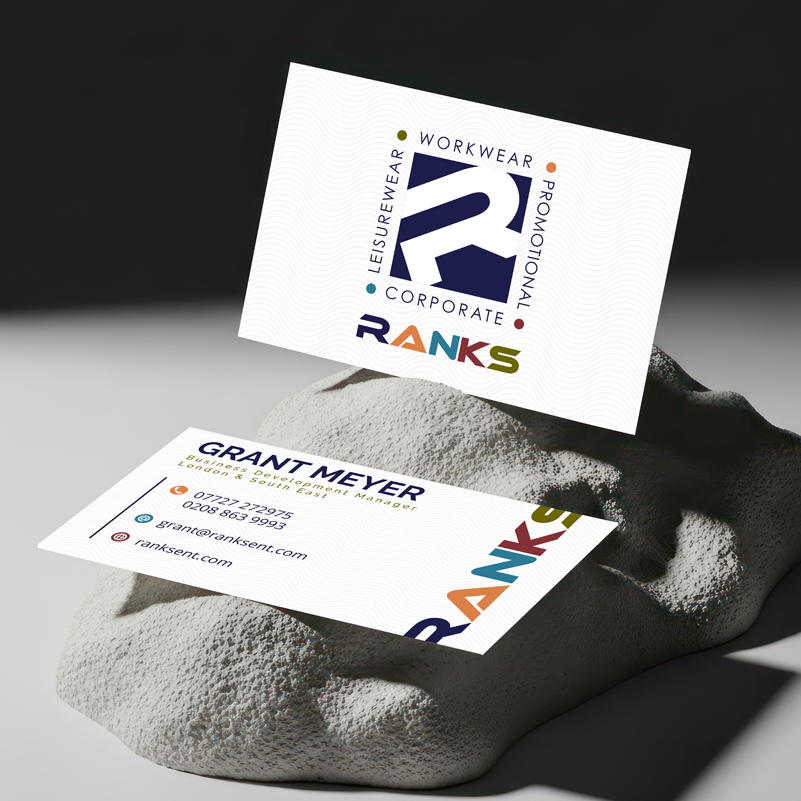
A professionally produced business card is the ultimate bridge between the physical world and your digital storefront. Investing in high-quality custom card printing tells prospective clients that your e-commerce brand or digital agency is substantial, reliable, and meticulously detailed.
The E-Commerce Unboxing Moment
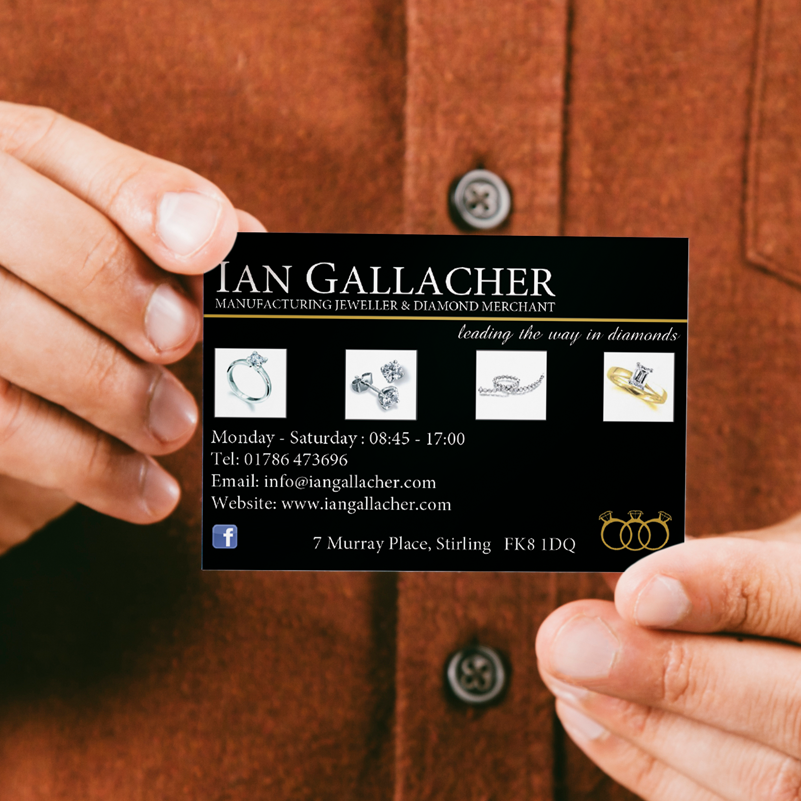
I remember working with a boutique online retailer who was struggling to get repeat purchases. Their website was gorgeous, but their packages arrived wrapped in plain tissue paper with a standard invoice. I suggested a complete print overhaul. We designed a luxury print gift card and a bespoke thank-you note using premium 400gsm card printing paper.
The next month, their Instagram exploded with customers sharing unboxing videos, prominently displaying the beautiful gift card print. That single tactile addition turned a routine delivery into a shareable brand experience. If you think printing a card is just for traditional offline companies, you are missing a massive digital marketing trick.
Designing for the Press: Technical Tips for Online Brands
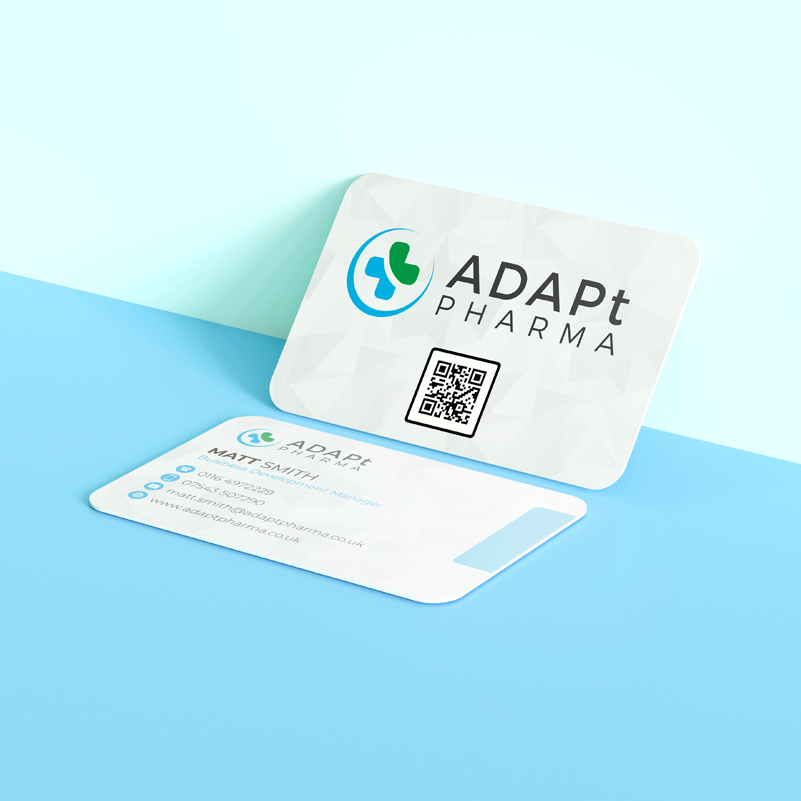
When you are used to designing for screens, moving into business card print design can be a bit of a culture shock. On a monitor, you work in RGB light; on a printing press, we use CMYK ink. If you don't convert your business card printing design to CMYK before submitting your files, those vibrant digital neon shades can end up looking dull and muddy on paper.
Another classic pitfall for digital natives is ignoring the "bleed" area. When printing to card, industrial guillotines require a 3mm safety margin around the edges of your design. If your artwork doesn't extend into this bleed area, you run the risk of thin white lines appearing on the edges of your finished product.
If all of this technical talk makes your head spin, remember that we offer comprehensive design business card printing services. Our team knows exactly how to translate your high-resolution digital assets into a flawless physical layout, ensuring your printing business card design hits the mark on the first run.
Choosing the Perfect Canvas for Your Brand
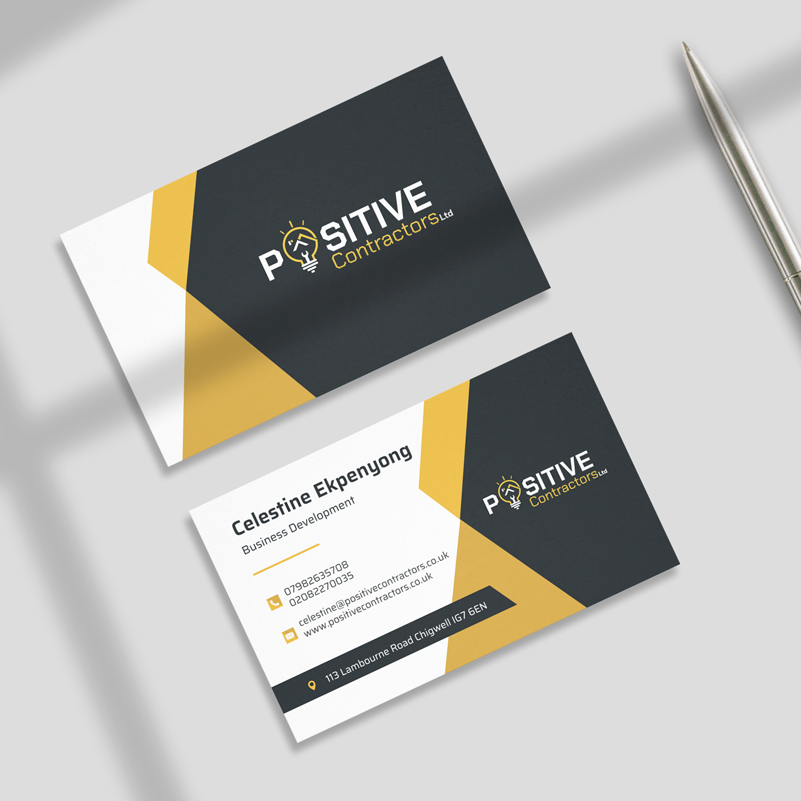
Your choice of print on card paper is just as important as the graphics themselves. For digital companies, the paper stock is your physical avatar. If you choose a flimsy, lightweight sheet, people will subconsciously associate your website with a lack of quality. We recommend a minimum weight of 350gsm for any card for printing, though 400gsm or 450gsm provides that premium, luxury "snap" that really commands respect.
The texture you choose also dictates your brand's personality:
-
Matte Lamination: Non-reflective and silky smooth. It’s the gold standard for tech start-ups and modern SaaS platforms using a minimalist printing business card design.
-
Gloss Lamination: Highly reflective and vibrant. This is perfect if you are utilizing card photo printing to showcase vivid product photography or portfolio work.
-
Uncoated Paper: Earthy, textured, and tactile. A fantastic choice for eco-conscious online brands looking for sustainable paper for printing cards.
A Cohesive Offline Marketing Strategy
Your printing needs as an online business shouldn't stop at a single card. To build a truly authoritative brand, you need a cohesive family of printed marketing assets. If you are launching a digital product or hosting an exclusive webinar, high-quality invitation card printing or card invitation printing sent via post can cut through the noise of crowded email inboxes far better than a digital blast.
Many online businesses maximize their marketing budgets by opting for combined flyer and business card printing bundles. Including a beautifully designed mini-flyer or a custom-branded place card print inside your shipping boxes instantly elevates your presentation.
From poster card printing for pop-up shops to custom greeting card printing for holiday client appreciation, keeping a consistent thread across all your printing on card paper establishes deep trust. If you care this much about your paper trail, your digital customers will know you care just as much about their online security, user experience, and product delivery.
FREQUENTLY ASKED QUESTIONS (FAQ)
Q1: Why should an completely online business invest in physical card printing?
Physical cards give online businesses a tangible presence during face-to-face networking, local pop-ups, and industry events. Including printed assets like a custom print gift card inside your product shipping boxes also increases customer retention, drives repeat traffic to your website, and elevates the unboxing experience.
Q2: What is the most common mistake online businesses make when designing their own cards?
The most common mistake is designing in RGB colour mode instead of CMYK. RGB is meant exclusively for digital screens, while professional card printing presses require CMYK files. Designing in RGB often leads to unexpected, duller colour shifts when the final product is printed.
Q3: What resolution do I need if I am using card photo printing for product images?
All images, logos, and graphics must be supplied at a minimum resolution of 300dpi (dots per inch) at the actual print size. Images pulled directly from your website are usually optimized for fast loading at 72dpi, which will look blurry or pixelated when printing to card.
Q4: Can you help us create a cohesive look for our business card and flyer printing?
Absolutely. We specialize in cross-product brand consistency. Whether you need a bundled business card and flyer printing run, or want to match your main stationery to gift card printing and printing invitation cards, we ensure the exact same ink profiles and paper stocks are used across the board.
Q5: What weight of paper should we choose for professional business stationery?
For premium business cards, you should look for a heavy card printing paper between 350gsm and 450gsm. For insert items like a place card printing project or a promotional leaflet, a slightly lighter weight like 250gsm to 300gsm is often appropriate.
Q6: What is the turnaround time for a custom card printing order?
Standard card printing orders typically take between 2 to 4 business days. However, if your design requires specialized custom additions like die-cutting, spot UV lamination, metallic foil stamping, or intricate paper banner printing, the turnaround time can extend to 5 to 10 business days.
Q7: Can I write a discount code on a card that has a matte or gloss finish?
Standard pens will smudge easily on both matte and gloss laminations. If your business model requires writing handwritten notes or discount codes directly onto the paper—such as for a loyalty card or a place card print—you should select an uncoated print card paper.
Posted by By Jenny on 29th Jun 2026