
Let’s be honest for a moment. In a world dominated by LinkedIn requests and digital contact sharing, the humble physical business card still carries an incredible amount of weight. When you hand over a beautifully crafted piece of print, you aren’t just giving someone your phone number; you are handing them a tangible piece of your brand's identity.
As a printer and graphic designer who has been in this game for more years than I care to admit, I have seen it all. I remember early in my career, a local mechanic brought in a logo he had drawn on a greasy napkin, asking for a quick "business card print design". We translated it onto a beautiful, heavy-weight stock, and he later told me that a property developer handed it back to him just to stroke the textured finish before awarding him a massive contract. That is the psychological power of premium custom card printing.
If you want your business to stand out, you need to understand how the magic happens from screen to paper.
Designing with Print in Mind
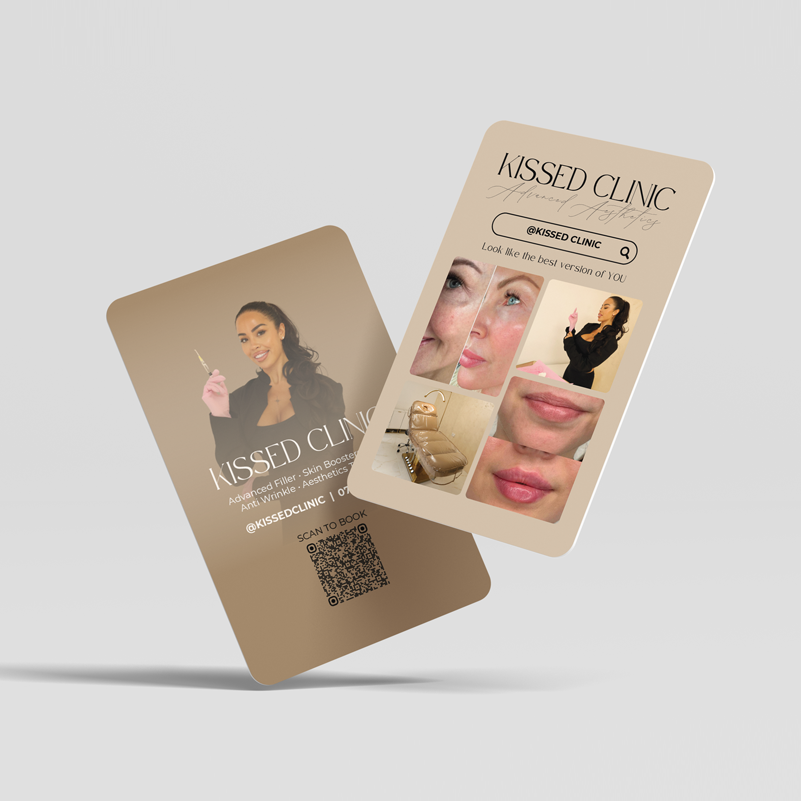
A beautiful design on a screen doesn't always equal a beautiful design in your hand. When you are tackling design business card printing, you have to think like a printer. The most common mistake I see businesses make is forgetting about the "bleed" and safe zones.
Years ago, I had a client send over a gorgeous, minimalist design for business card and flyer printing. It looked stunning on his laptop. But because he didn't leave a 3mm bleed area, the cutting blades sliced right through his beautifully centered text. Half his phone number vanished into the offcut bin. We caught it during proofing, thankfully, but it taught him a valuable lesson about printing a card properly.
When you are deep in the business card printing design phase, always ensure your background colour or image extends all the way to the outer edge of your canvas, and keep your critical text well away from the borders.
Choosing the Right Stock: Tactile Marketing
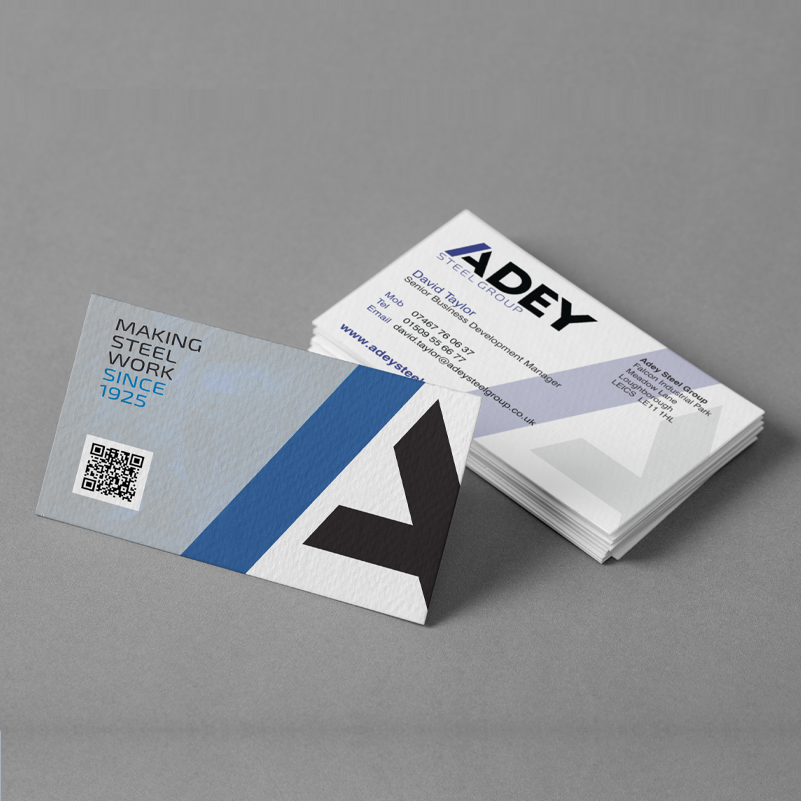
When it comes to printing to card, the paper you choose speaks volumes before a client even reads a word. If you use flimsy paper, your business feels flimsy.
| Paper Stock Type | Best Used For | Impression Left |
| 350gsm Silk | Standard business cards, leaflets | Professional, clean, reliable |
| 450gsm+ Matt Laminated | Premium business card runs | Luxurious, smooth, highly durable |
| Textured / Kraft Card | Greeting card custom printing, eco brands | Rustic, authentic, creative |
If you are printing on card paper, you want a minimum of 350gsm (grams per square metre) for a card, though 450gsm is the sweet spot for that premium, unbendable feel. The right card printing paper acts as an anchor for your brand. Don't be afraid to ask your printer for a sample pack so you can feel the difference between a standard silk finish and a soft-touch matt laminate.
Beyond the Card: Creating a Cohesive Brand Suite
A brilliant business card shouldn't live in isolation. Savvy UK businesses look at the bigger picture. If your card looks immaculate, but your promotional printable leaflets look like they were run off a dying home inkjet, it shatters the illusion.
I once worked with a boutique hotel that nailed their invitation cards printing for a launch event, but they completely forgot about the rest of the guest experience. They ended up using cheap office paper for their place card printing. It looked incredibly out of place next to the silver cutlery. We quickly stepped in to handle their place card print run using the exact same premium paper for printing cards that we used for their main invites.
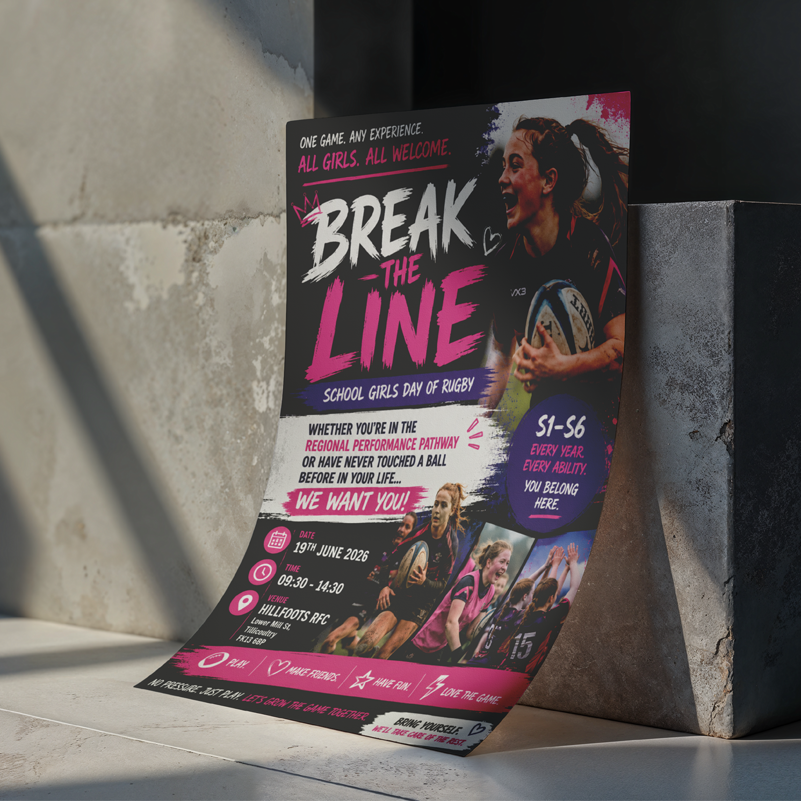
Consider bundling your marketing assets together. Streamlining your flyer and business card printing into a single run ensures that your brand colours remain perfectly consistent across all mediums—whether you are handing out a card at a networking event or distributing leaflets across town. From poster card printing to seasonal christmas crackers or custom greeting card printing for your top clients, consistency is your best friend.
FREQUENTLY ASKED QUESTIONS (FAQ)
Q1: What is the best paper weight for business card printing?
For a professional, premium feel, you should aim for a minimum of 350gsm to 400gsm card printing paper. Anything lighter can feel cheap and easily creases in a wallet.
Q2: What is the difference between business card print design and digital design?
Print design requires specific technical set-ups that digital design does not, such as CMYK colour profiles (instead of RGB), a minimum of 300 DPI resolution, and bleed margins to ensure no white edges are left after cutting.
Q3: Can I combine flyer and business card printing to save on costs?
Yes, many commercial printers offer bundled business card and flyer printing packages. Printing them together ensures consistent colour management across different marketing materials.
Q4: What size should my business card design be?
The standard UK business card size is 85mm x 55mm. When setting up your file for custom card printing, you should add a 3mm bleed to all sides, making the total canvas size 91mm x 61mm.
Posted by By Jenny on 26th May 2026