
In our increasingly digital world, where connections are made via a quick "follow" or a LinkedIn request, you might think the humble business card has lost its edge. As someone who has spent decades between the design studio and the factory floor, I can tell you that the exact opposite is true. When everyone else is just a notification on a screen, a physical, high-quality piece of card printing makes you a real person. It’s a tangible anchor for your brand, and the weight of that card in a client’s hand says more about your standards than any email signature ever could.
The Psychology of the First Handover
I remember a trade show in Birmingham a few years back. I watched two competitors meeting the same high-value prospect. The first handed over a flimsy, home-printed card that felt like it had been cut with kitchen scissors. The second handed over a solid, 450gsm card with a beautiful matte finish. The prospect didn't even look at the first card; he just did the "flick test" with his thumb on the second one, felt the quality, and tucked it safely into his top pocket. That is the power of a professional business card printing design. It’s not just contact info; it’s a shorthand for "I am reliable."
Designing for the Press, Not the Screen
If you are handling your own business card print design, there is a massive difference between what looks good on a glowing monitor and what works on card printing paper. The biggest pitfall for businesses is the "Safe Zone." When we are printing to card, our industrial guillotines are incredibly sharp, but there is always a tiny margin of movement. If you put your email address 1mm from the edge, it might get a haircut you didn't ask for. Always leave a 3mm "bleed" and a 3mm safe zone.
If the technical side feels overwhelming, don't forget that we offer design business card printing services. We had a local boutique owner recently who tried to DIY her invitation card printing using a low-res photo from her phone. It looked "blocky" and unprofessional. We stepped in, re-built the printing business card design using high-resolution assets, and the result was night and day. If you’re supplying your own artwork for card photo printing, 300dpi is the golden rule to keep things crisp.
Choosing Your Canvas: Materials Matter
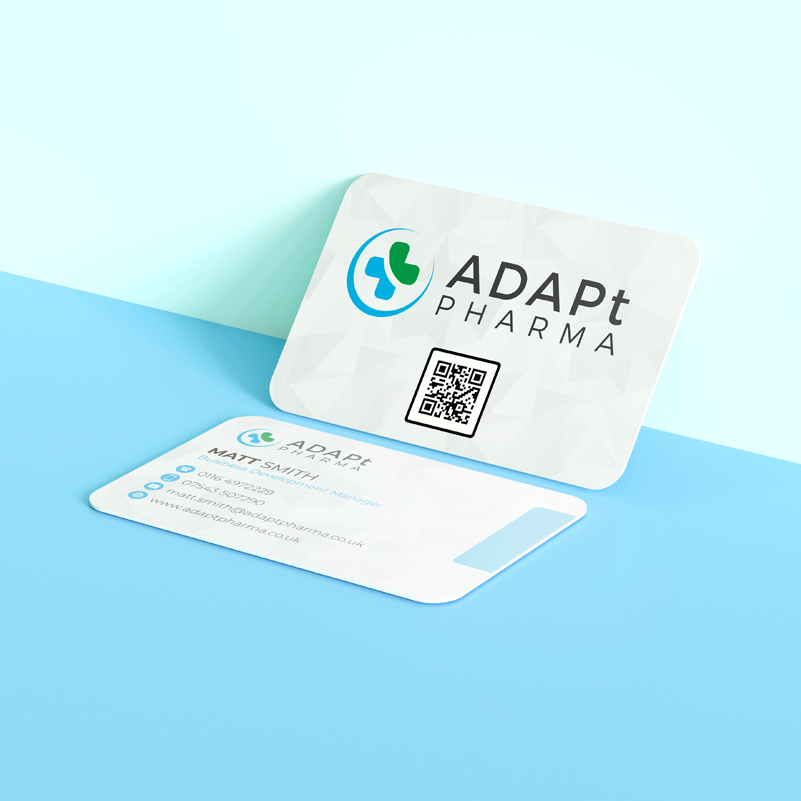
Picking the right paper for printing cards is where you can truly show your brand’s personality. In the UK, we measure card by GSM (grams per square metre). For a professional card, I never recommend anything under 350gsm. If you want that luxury "snap," go for 400gsm or 450gsm print on card paper.
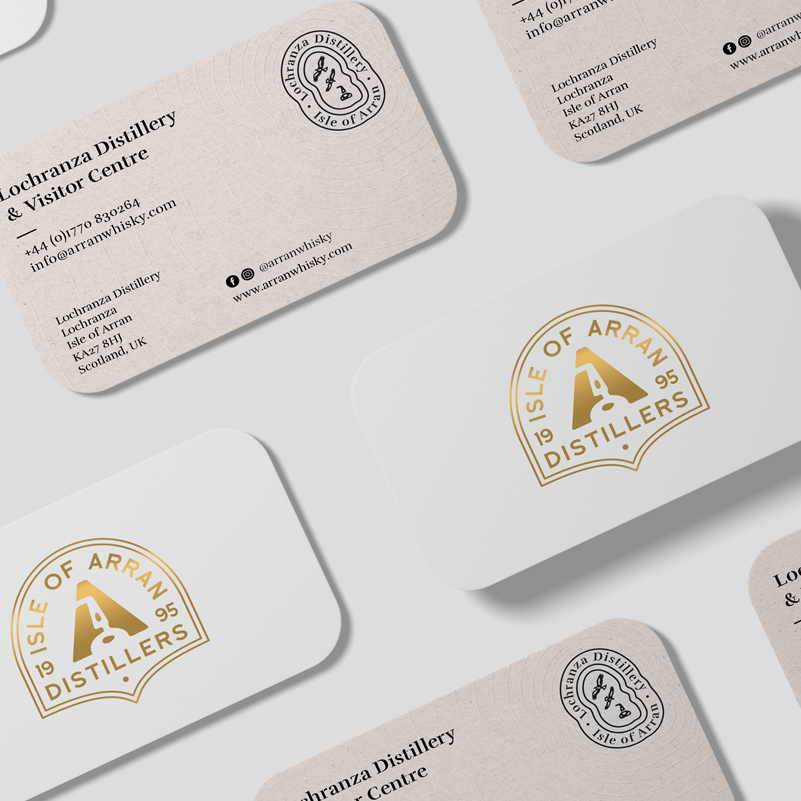
Then you have the finish. A gloss finish is fantastic for card photo printing as it makes the colours "pop," whereas a matte lamination gives a smooth, sophisticated feel. If you’re a traditional business, an uncoated print card paper gives a lovely, tactile, natural texture. Just remember, if you need to write on the card—perhaps as a place card print or an appointment card—avoid lamination, as the ink will smudge.
Expanding the Brand Beyond the Card
Your brand identity shouldn't start and stop with a single card. To look like a truly established outfit, you want consistency across all your touchpoints. If you’re ordering flyer and business card printing at the same time, it ensures the colours are perfectly matched. Using the same card printing paper for your gift card printing or invitation cards printing creates a cohesive "family" of products.
Think about the customer journey. A customer receives a beautiful print gift card, sees your consistent poster card printing in-store, and then sits down at an event with a matching place card printing. Whether it's custom greeting card printing for your top clients or printing invitation cards for a product launch, that thread of quality tells people you pay attention to the details. And if you care that much about your paper for printing cards, they’ll trust you to care that much about their business.
Final Printer’s Advice
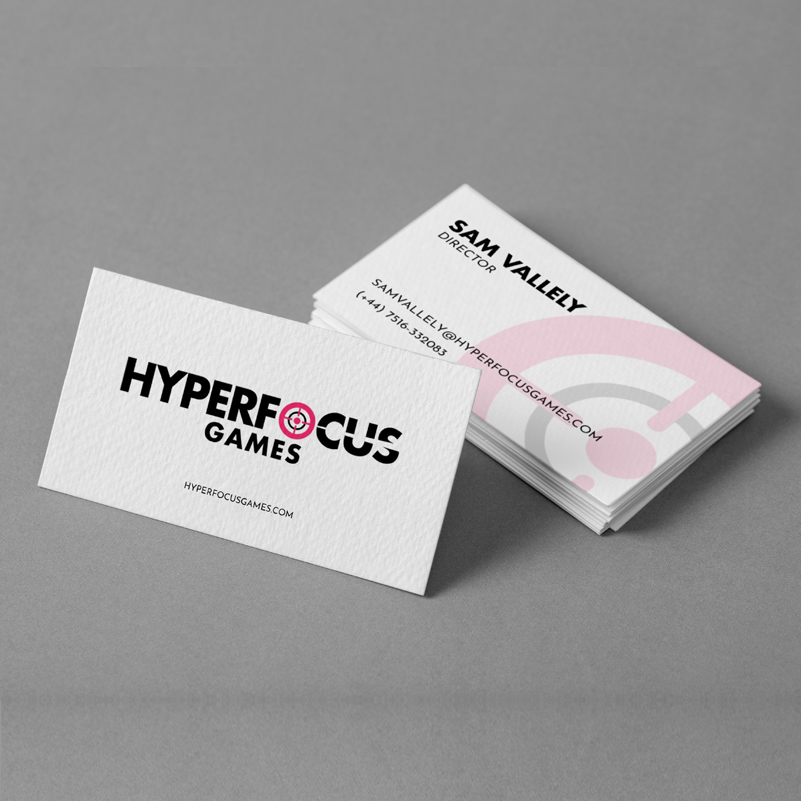
Before you commit to printing a card, check it three times. I have seen thousands of cards go to print with "Manager" spelled as "Manger" or a missing digit in the phone number. When you’re printing on card paper, the ink is final! If you’re unsure, lean on us. We’re here to make sure your business looks as good on the desk as it does in your head.
FREQUENTLY ASKED QUESTIONS (FAQ)
Q1: What is the standard business card size in the UK?
The standard UK size is 85mm x 55mm. When preparing your artwork, make sure your canvas is set to this size plus a 3mm "bleed" on all sides, resulting in a total file size of 91mm x 61mm.
Q2: What resolution do I need for card photo printing?
For a professional, sharp result, all images and photos must be at least 300dpi (dots per inch). Images saved from websites are usually 72dpi and will look blurry or pixelated when printing to card.
Q3: Is there a difference between CMYK and RGB?
Yes. RGB is for digital screens, while CMYK is for professional card printing. Always design your business card printing design in CMYK to ensure the colours you see on your screen match the final printed product as closely as possible.
Q4: Can I write on a matte or gloss laminated card?
Standard ballpoint pens often smudge on laminated surfaces. If you need to write on your cards, such as for a place card printing or an appointment reminder, it is best to choose an uncoated print card paper.
Q5: What does GSM mean in card printing?
GSM stands for "Grams per Square Metre" and refers to the weight/thickness of the card printing paper. For a high-quality business card, we recommend a minimum of 350gsm, with 400gsm or 450gsm being the preferred choice for a premium feel.
Q6: Do you offer flyer and business card printing as a bundle?
We certainly do. Ordering business card and flyer printing together is a great way to ensure brand consistency and can often be more cost-effective than ordering them separately.
Q7: Can you help with design if I only have a logo?
Absolutely. We offer a full design business card printing service. We can take your existing logo and create a professional printing business card design that aligns with your brand's goals and target audience.
Posted by By Jenny on 3rd Jun 2026